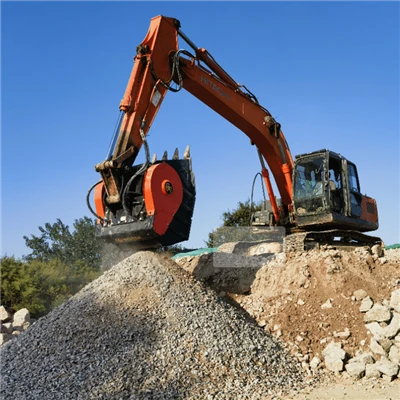
Maintaining Mass Soil Mixing equipment is a crucial aspect that can't be overlooked, especially when you're in the game as a Mass Soil Mixing supplier like me. In this blog, I'll walk you through the key maintenance requirements for this kind of equipment and why it's so important for your operation.
First off, let's talk about the importance of regular inspections. Just like you'd take your car in for a check - up regularly, Mass Soil Mixing equipment needs the same kind of attention. Frequent inspections can help you identify any potential issues before they turn into big problems. You should inspect the equipment for signs of wear and tear on parts such as the mixing blades. The blades are constantly working to blend the soil, so over time, they can get dull or even damaged. A dull blade won't mix the soil effectively, which can lead to inconsistent results in your soil mixing projects. You also need to look for leaks in the hydraulic systems. Hydraulic systems are a vital part of many Mass Soil Mixing machines, and a leak can not only reduce the efficiency of the equipment but also be a safety hazard.
Another important part of maintenance is keeping the equipment clean. Soil and other debris can build up on the machine during operation. This build - up can cause components to overheat and increase the rate of wear. For instance, if dirt gets into the engine's air intake, it can cause the engine to work harder and potentially lead to engine damage. So, after each use or at regular intervals, give the equipment a thorough clean. Use the appropriate cleaning agents and tools to ensure that all parts are properly cleaned. This includes the mixing chamber, the exterior of the machine, and any exposed moving parts.
Lubrication is also a must - do for Mass Soil Mixing equipment. Moving parts like bearings, gears, and chains need to be lubricated regularly to reduce friction. Friction can cause parts to wear out quickly, increase energy consumption, and even lead to mechanical failures. Make sure you use the right type of lubricant for each part. Different parts have different lubrication requirements, so refer to the equipment's manual for guidance. For example, some high - speed bearings may require a special high - performance lubricant.
Now, let's touch on the importance of calibration. Mass Soil Mixing equipment needs to be calibrated correctly to ensure accurate mixing ratios. If the equipment isn't calibrated properly, you might end up with a soil mix that doesn't meet the required specifications. This can be a major problem, especially in construction projects where the quality of the soil mix is critical. Regular calibration checks can help you maintain the accuracy of the equipment. You can use calibration tools and follow the manufacturer's instructions to perform these checks.
We also can't forget about the electrical systems in the Mass Soil Mixing equipment. Electrical problems can cause the equipment to malfunction or even pose a safety risk. You should inspect the wiring for any signs of fraying or damage. Replace any damaged wiring immediately. Also, check the electrical connections to make sure they're secure. Loose connections can lead to short - circuits and other electrical issues.
When it comes to replacing parts, it's important to use high - quality replacement parts. Don't try to cut corners by using cheap, low - quality parts. These parts may not fit properly or last as long, which can end up costing you more in the long run. Always source your replacement parts from reputable suppliers. You can find a wide range of Soil Stabilization Products that are suitable for Mass Soil Mixing equipment to ensure the best performance.
In addition to the day - to - day and regular maintenance tasks, it's also a good idea to have a long - term maintenance plan. This plan should include scheduled major overhauls and preventative maintenance tasks. A long - term plan can help you budget for maintenance costs and ensure that the equipment remains in good working condition for years to come.
Let's take a closer look at the specific equipment types. For Soil Mixing Machine, the mixing drum is a critical component. You need to pay special attention to the integrity of the drum. Check for any cracks or signs of deformation. A damaged drum can affect the mixing process and may even lead to the machine breaking down. Also, the conveyor belts on a soil mixing machine need to be inspected regularly. Make sure the belts are properly tensioned and that there are no signs of excessive wear.
If you're using an Excavator Soil Mixer, the attachment to the excavator needs to be checked. Ensure that the connection is strong and secure. Any looseness in the attachment can cause instability during operation, which is a safety concern. Also, the mixing arms on the excavator soil mixer should be examined for damage.
Proper maintenance of Mass Soil Mixing equipment not only extends the lifespan of the equipment but also improves its performance. When your equipment is well - maintained, you can expect more consistent and high - quality soil mixing results. This can lead to better customer satisfaction and more successful projects.
If you're in the market for Mass Soil Mixing equipment or have any questions about maintenance, don't hesitate to reach out. We're here to help you make the most of your equipment and ensure that it operates at its best. Whether you're a small contractor or a large construction firm, proper maintenance can save you time and money in the long run. So, take the time to care for your Mass Soil Mixing equipment, and it will serve you well for many years. Contact us if you want to start a discussion about purchasing or getting more in - depth maintenance advice.


References
- General knowledge of soil mixing equipment manufacturers' manuals
- Industry best - practices in heavy equipment maintenance