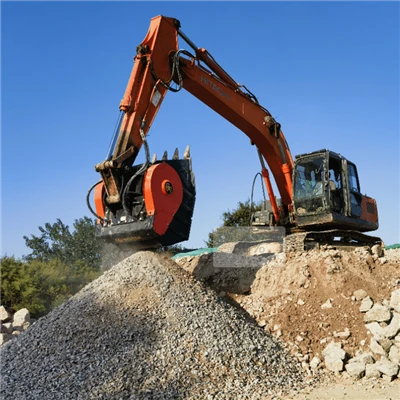
In the world of construction, waste management, and landscaping, screening buckets are a game - changer. They've revolutionized the way we handle materials, separating the good stuff from the not - so - good with ease. One question that often pops up is, "Are there different sizes of screening buckets?" Well, you bet there are! And as a screening buckets supplier, I'm here to spill the beans on this topic.
Why Size Matters
First off, let's understand why the size of a screening bucket is such a big deal. Different projects have different requirements. If you're working on a small - scale landscaping project, you don't need a huge screening bucket that can handle tons of material at once. It'll be overkill, and you'll end up spending more money on equipment than you need to. On the other hand, if you're dealing with large - scale construction waste management or mining operations, a tiny screening bucket won't cut it. It'll take forever to process the amount of material you have, and you'll lose valuable time and money.
The Range of Sizes
We offer a wide range of screening bucket sizes to cater to all sorts of projects. At the smaller end of the spectrum, we have screening buckets that are perfect for light - duty tasks. These are great for things like gardening projects, small - scale soil screening, or separating debris from a small pile of construction waste. They're easy to handle, often compatible with smaller machinery like mini - excavators, and they're relatively affordable.
For medium - sized projects, we have screening buckets that pack a bit more punch. These can handle larger volumes of material and are suitable for tasks like medium - scale landscaping, general construction site cleanup, and sorting through gravel and sand. They're designed to work efficiently with mid - sized excavators and loaders, providing a good balance between capacity and performance.
And then there are the big boys. The industrial - grade screening buckets are built for heavy - duty applications. These are used in large - scale mining operations, major construction projects, and large - volume waste processing. They can handle massive amounts of material in a single pass, and they're tough enough to withstand the rigors of continuous, high - volume use.
Choosing the Right Size
Picking the right size of a screening bucket isn't always straightforward. There are several factors you need to consider.
Project Volume
The amount of material you need to screen is a major consideration. If you have a large project with a high volume of material, you'll obviously need a larger screening bucket. But if you're only dealing with a small amount of stuff, a smaller bucket will do the job just fine and save you some cash.


Machinery Compatibility
Not all screening buckets are compatible with all types of machinery. You need to make sure the screening bucket you choose will fit your excavator, loader, or other equipment. For example, a small screening bucket might be designed to work with a mini - excavator, while a large one will require a heavy - duty loader.
Material Type
The type of material you're screening also matters. If you're working with light, fluffy materials like wood chips or leaves, you might be able to get away with a smaller bucket. But if you're dealing with heavy rocks or dense construction debris, you'll likely need a larger, more robust screening bucket to handle the load.
Our Product Offerings
As a screening buckets supplier, we take pride in offering a diverse range of products. Our Bucket Screener line comes in various sizes to meet different project needs. Whether you're a DIY enthusiast working on a small home project or a professional contractor handling large - scale construction, we've got a bucket screener that's right for you.
Our Rock Screening Bucket is specifically designed to handle tough materials like rocks and gravel. It's available in different sizes, so you can choose the one that suits your rock - screening requirements.
And don't forget about our Screening Bucket Attachment. This versatile attachment can be added to your existing machinery, and it also comes in multiple sizes. It's a great option if you want to upgrade your equipment without having to invest in a whole new machine.
How Size Affects Performance
The size of a screening bucket doesn't just determine its capacity; it also has an impact on performance. Larger screening buckets generally have a higher throughput, meaning they can process more material in a shorter amount of time. This is great for large - scale projects where time is of the essence.
However, larger buckets can also be more difficult to maneuver, especially in tight spaces. Smaller screening buckets, on the other hand, are more agile and can be used in areas where there isn't a lot of room to work. They might have a lower throughput, but they make up for it with their flexibility.
Maintenance Considerations
Another aspect to think about is maintenance. Larger screening buckets often have more parts and a larger surface area, which means they might require more maintenance. This could include things like checking and replacing screening meshes, lubricating moving parts, and inspecting for wear and tear.
Smaller screening buckets are generally easier to maintain. They have fewer components, which can make maintenance tasks quicker and simpler. But regardless of the size, regular maintenance is crucial to keep your screening bucket in good working condition.
Wrapping It Up
So, to answer the question, "Are there different sizes of screening buckets?" - absolutely! And choosing the right size is essential for the success of your project. Whether you're a small - time landscaper or a large - scale construction company, we have the perfect screening bucket for you.
If you're interested in learning more about our screening buckets or want to discuss which size would be best for your project, don't hesitate to reach out. We're here to help you make the right choice and get the most out of your screening equipment. Let's talk and find the ideal screening bucket for your needs!
References
- Construction Equipment Handbook: A guide to the different types of construction equipment and their applications.
- Waste Management Best Practices: Information on the use of screening buckets in waste management processes.
- Landscaping Industry Standards: Guidelines for choosing the right equipment for landscaping projects.