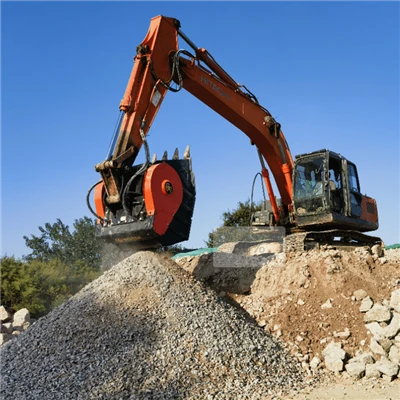
Hey there! As a supplier of screening buckets, I've seen firsthand how the shape of these buckets can have a huge impact on their performance. In this blog post, I'm gonna break down the different shapes of screening buckets and how they affect the way these machines work.
Let's start with the basics. Screening buckets are used to separate different materials, like soil, gravel, and debris. They're commonly attached to heavy machinery such as wheel loaders and diggers. The shape of the screening bucket plays a crucial role in how efficiently it can perform this separation.
Rectangular Screening Buckets
Rectangular screening buckets are one of the most common shapes out there. They're straightforward and easy to manufacture, which makes them a popular choice for many contractors. The rectangular shape provides a large screening area, allowing for a high volume of material to pass through the bucket quickly.
One of the main advantages of rectangular screening buckets is their versatility. They can be used for a wide range of applications, from small - scale landscaping projects to large - scale construction sites. The flat sides of the rectangular bucket make it easy to stack and transport, which is a plus for contractors who need to move their equipment around frequently.
However, rectangular screening buckets do have some limitations. The corners of the rectangle can sometimes cause material to get stuck, reducing the overall efficiency of the screening process. Also, because of their shape, they may not be as effective at screening irregularly shaped materials.
Circular Screening Buckets
Circular screening buckets have a unique design that offers some distinct advantages. The circular shape allows for a more even distribution of material as it passes through the bucket. This means that the screening process is more consistent, and there's less chance of material getting stuck.
The circular motion of the material inside the bucket also helps to break up clumps and agglomerates, which can improve the quality of the screened material. Circular screening buckets are particularly effective for screening wet or sticky materials, as the circular motion helps to prevent the material from sticking to the sides of the bucket.
On the downside, circular screening buckets tend to have a smaller screening area compared to rectangular ones. This means that they may not be able to handle as large a volume of material in a single pass. Additionally, the circular shape can make them a bit more difficult to stack and transport.
Triangular Screening Buckets
Triangular screening buckets are less common but offer some interesting benefits. The triangular shape provides a tapered screening area, which can be useful for separating different sizes of materials more effectively. As the material moves through the bucket, it gets gradually sorted based on size.
This shape is also great for handling materials that have a wide range of particle sizes. The triangular design allows for a more efficient separation process, as the smaller particles can pass through the smaller openings at the bottom of the triangle, while the larger particles are retained at the top.
However, triangular screening buckets can be more complex to manufacture, which can make them more expensive. They also may not be as suitable for large - scale screening operations due to their relatively smaller screening area.
Impact on Performance
Now, let's talk about how these different shapes impact the performance of screening buckets in more detail.
Screening Efficiency
The shape of the screening bucket directly affects its screening efficiency. As I mentioned earlier, rectangular buckets have a large screening area, which allows for a high volume of material to be processed quickly. This makes them ideal for projects where speed is of the essence.
Circular buckets, on the other hand, offer a more consistent screening process. The circular motion helps to ensure that all the material is evenly screened, which can lead to a higher - quality end product. Triangular buckets are great for precise separation of different particle sizes, which can be crucial in applications where a specific size range of material is required.
Material Handling
The shape of the bucket also affects how well it can handle different types of materials. Rectangular buckets are good for general - purpose screening of dry, free - flowing materials. However, they may struggle with wet or sticky materials, as the corners can cause the material to clump up.
Circular buckets are better suited for wet and sticky materials due to their circular motion, which helps to prevent sticking. Triangular buckets are excellent for materials with a wide range of particle sizes, as they can separate the different sizes more effectively.
Durability
The shape of the screening bucket can also impact its durability. Rectangular buckets, with their flat sides, are generally easier to reinforce and repair. Circular buckets may require more specialized manufacturing techniques to ensure their durability, especially around the curved edges. Triangular buckets, due to their more complex shape, may be more prone to wear and tear in certain areas.
Choosing the Right Shape
When it comes to choosing the right shape of screening bucket for your project, there are a few things to consider. First, think about the type of material you'll be screening. If you're dealing with dry, free - flowing materials and need to process a large volume quickly, a rectangular bucket might be the best choice.

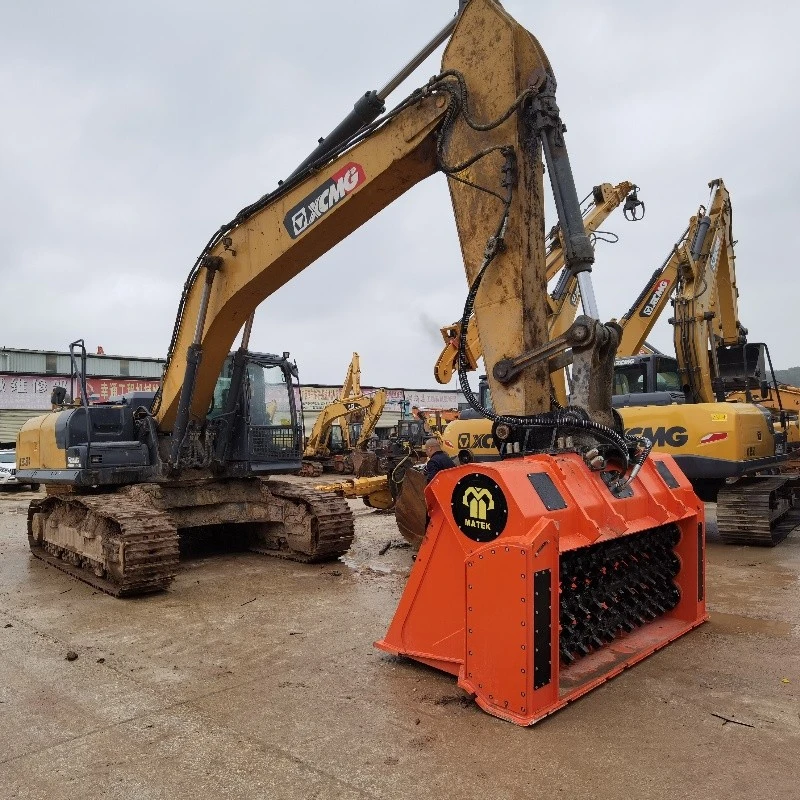
If you're working with wet or sticky materials, a circular bucket could be more suitable. And if you need to separate different particle sizes precisely, a triangular bucket might be the way to go.
Another factor to consider is the size of your project. For large - scale projects, you may need a bucket with a large screening area, like a rectangular one. For smaller, more specialized projects, a circular or triangular bucket could be more appropriate.
Conclusion
In conclusion, the shape of the screening bucket has a significant impact on its performance. Whether you're looking for speed, precision, or the ability to handle different types of materials, there's a shape out there that's right for your needs.
If you're in the market for a screening bucket, I'd love to help you find the perfect one for your project. We offer a wide range of screening buckets, including Wheel Loader Screener, Digger Screening Bucket, and Digging Screening Bucket.
Don't hesitate to reach out if you have any questions or want to discuss your specific requirements. We're here to make sure you get the best screening bucket for your job.
References
- Industry reports on screening bucket technology
- Manufacturer's specifications for different screening bucket shapes