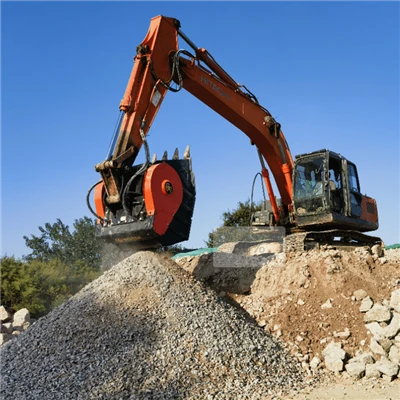
As a supplier of Best Crusher Buckets, I've encountered a wide range of issues that customers face with these powerful tools. In this blog, I'll share my insights on troubleshooting common problems with the best crusher bucket, ensuring that you can keep your equipment running smoothly and efficiently.
1. Poor Crushing Performance
One of the most common issues users face is poor crushing performance. This can manifest as low production rates, oversized output, or inconsistent particle size. There are several factors that could contribute to this problem.
Incorrect Feeding
The way you feed material into the crusher bucket can significantly impact its performance. If the material is fed too quickly, the crusher may become overloaded, leading to reduced efficiency. On the other hand, feeding too slowly can also result in sub - optimal performance. It's essential to maintain a steady and appropriate feed rate. Refer to the manufacturer's guidelines for the recommended feed rate based on the type and size of the material you're crushing.
Worn - Out Wear Parts
The wear parts in the crusher bucket, such as the jaws or liners, play a crucial role in the crushing process. Over time, these parts can wear down, which can lead to a decrease in crushing efficiency. Regularly inspect the wear parts and replace them when they reach the end of their service life. You can find high - quality replacement parts for your Stone Crusher on our website.
Incorrect Settings
The crusher bucket has various settings that can be adjusted to optimize its performance. These settings include the gap between the jaws, the speed of the crusher, and the hydraulic pressure. If these settings are not configured correctly, it can lead to poor crushing performance. Consult the user manual to ensure that all settings are set according to the requirements of the material you're crushing.
2. Hydraulic System Issues
The hydraulic system is the heart of the crusher bucket, and any problems with it can cause significant disruptions.
Leaks
Hydraulic leaks are a common problem that can lead to a loss of hydraulic fluid, reduced pressure, and ultimately, a decrease in crusher performance. Check the hydraulic hoses, fittings, and seals regularly for any signs of leakage. If you detect a leak, it's important to address it immediately. Tighten any loose fittings or replace damaged hoses and seals.


Low Hydraulic Pressure
Low hydraulic pressure can cause the crusher bucket to operate sluggishly or not at all. This can be due to a variety of reasons, such as a clogged filter, a malfunctioning pump, or a leak in the system. Check the hydraulic filter and replace it if it's dirty. If the problem persists, it may be necessary to have the pump and other components of the hydraulic system inspected by a professional.
Overheating
The hydraulic system can overheat if it's working too hard or if there's a problem with the cooling system. Overheating can damage the hydraulic components and reduce the lifespan of the crusher bucket. Make sure the cooling system is functioning properly and that there is adequate ventilation around the crusher. If the hydraulic system continues to overheat, it may be necessary to reduce the workload or have the system checked for any underlying issues.
3. Mechanical Problems
Mechanical problems can also occur in the crusher bucket, affecting its overall functionality.
Loose Bolts and Fasteners
Vibrations during the crushing process can cause bolts and fasteners to loosen over time. This can lead to misalignment of components and potential damage to the crusher bucket. Regularly inspect all bolts and fasteners and tighten them as needed.
Bearings and Shafts
The bearings and shafts in the crusher bucket are critical components that support the moving parts. If these parts are damaged or worn, it can cause the crusher to operate inefficiently or even break down. Check the bearings and shafts regularly for signs of wear, such as excessive noise or vibration. Replace any damaged parts immediately.
Belt and Pulley Issues
If your crusher bucket uses a belt and pulley system, issues with the belt or pulleys can cause problems. A loose or worn - out belt can slip, reducing the power transmission to the crusher. Check the belt tension regularly and replace the belt if it shows signs of wear. Also, inspect the pulleys for any damage or misalignment.
4. Electrical Problems (if applicable)
Some crusher buckets may have electrical components, such as sensors or control systems. Electrical problems can cause the crusher to malfunction or not operate at all.
Faulty Sensors
Sensors are used to monitor various parameters in the crusher bucket, such as temperature, pressure, and speed. If a sensor is faulty, it can send incorrect signals to the control system, leading to improper operation. Check the sensors regularly and replace any that are not functioning correctly.
Wiring Issues
Loose or damaged wiring can cause electrical problems in the crusher bucket. Inspect the wiring harness for any signs of damage, such as frayed wires or loose connections. Repair or replace any damaged wiring to ensure proper electrical operation.
5. Noise and Vibration
Excessive noise and vibration can be a sign of a problem with the crusher bucket.
Misalignment
If the crusher bucket is not properly aligned, it can cause excessive vibration and noise. Check the alignment of the crusher bucket with the excavator or other equipment it's attached to. Make sure all mounting points are secure and that the crusher is level.
Unbalanced Rotating Parts
Rotating parts, such as the crusher shaft, need to be balanced to prevent excessive vibration. If the rotating parts are unbalanced, it can cause premature wear on the bearings and other components. Have the rotating parts balanced by a professional if necessary.
In conclusion, troubleshooting common problems with the best crusher bucket requires a systematic approach. By regularly inspecting and maintaining your equipment, you can identify and address issues before they become major problems. If you encounter any problems that you're unable to resolve on your own, don't hesitate to contact our support team. We're here to help you keep your Motek - MTC330 or Big Jaw Crusher in top - notch condition.
If you're in the market for a high - quality crusher bucket or need replacement parts, we invite you to contact us for a detailed discussion. Our team of experts can provide you with the best solutions tailored to your specific needs.
References
- Manufacturer's user manuals for Best Crusher Buckets
- Industry standards and guidelines for crusher bucket maintenance and troubleshooting