Can Mass Soil Mixing be used in tunnel construction?
Hey there! I'm a supplier of Mass Soil Mixing technology, and I often get asked whether this method can be used in tunnel construction. Well, let's dive right in and explore this topic together.
First off, let's understand what Mass Soil Mixing is. It's a technique that involves blending in - situ soil with binders, like cement or lime. This process can significantly improve the engineering properties of the soil, such as its strength, stiffness, and permeability.
When it comes to tunnel construction, there are a whole bunch of challenges. The ground conditions can vary wildly, from soft and loose soils that are prone to collapse, to hard - rock layers that are tough to drill through. Also, there's the issue of groundwater control. If the water table is high, it can cause instability during tunneling and lead to problems like water inflow into the tunnel.
So, can Mass Soil Mixing help with these problems? The short answer is yes!
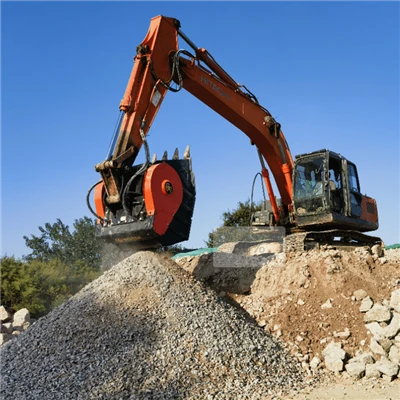
One of the main benefits of Mass Soil Mixing in tunnel construction is soil stabilization. In areas where the soil is too soft or unstable, we can use Soil Mixing Machine to blend the soil with binders. This creates a more stable ground mass around the tunnel, reducing the risk of soil collapse. For example, in some clay - rich soils, the cohesion can be so low that it's difficult to support the weight of the tunnel lining. By adding cement through Mass Soil Mixing, we can increase the soil's cohesion and strength, making it a better foundation for the tunnel.
Another important aspect is ground improvement. Tunnel boring machines (TBMs) rely on the ground to provide enough reaction force to push forward. If the soil is too weak, the TBM may not be able to operate efficiently. With Mass Soil Mixing, we can use Soil Improvement Machine to enhance the soil's mechanical properties, giving the TBM the support it needs. This can lead to faster tunneling progress and less wear and tear on the equipment.
Groundwater control is also a significant concern in tunnel construction. Water can erode the soil around the tunnel, causing settlement and potential structural damage. Mass Soil Mixing can be used to create a low - permeability barrier. When the soil is mixed with binders, the pores in the soil get filled, reducing the water flow through the ground. This is especially useful in areas with high water tables. Soil Remediation techniques can also be combined with Mass Soil Mixing to deal with any contaminated groundwater in the vicinity.
Let's talk about some real - world examples. In urban areas where tunneling is taking place, the soil conditions can be extremely complex due to previous construction activities and the presence of multiple soil layers. Mass Soil Mixing has been used successfully in many underground railway and sewer tunnel projects around the world. It helps to minimize the impact on the surrounding environment, such as reducing ground settlement, which can prevent damage to nearby buildings and infrastructure.
However, like any technology, Mass Soil Mixing in tunnel construction also has its limitations. The effectiveness of the mix depends on factors such as soil type, binder type, and mixing ratio. In some cases, if the soil has a high organic content, the binders may not react as expected, and the improvement in soil properties may be limited. Also, the implementation of Mass Soil Mixing requires specialized equipment and skilled operators. Training and proper management are essential to ensure the quality of the mixing process.
Cost is another consideration. While Mass Soil Mixing can provide long - term benefits in terms of tunnel stability and reduced maintenance, the initial investment in equipment and materials can be relatively high. But when you weigh it against the potential costs of ground collapse, water - related damage, and project delays, it often turns out to be a cost - effective solution in the long run.
In conclusion, Mass Soil Mixing can be a valuable tool in tunnel construction. It offers solutions to many of the challenges associated with soil instability, ground improvement, and groundwater control. As a Mass Soil Mixing supplier, I've seen firsthand how this technology can transform the way we approach tunnel projects.


If you're involved in a tunnel construction project and think Mass Soil Mixing could be the answer to your soil - related problems, I'd love to talk to you. Whether you're looking for advice on the best approach for your specific soil conditions or want to discuss the equipment and services we offer, I'm here to help. Reach out to me, and let's start a conversation about how we can make your tunnel construction project a success.
References
- "Ground Improvement Techniques for Tunneling" - Journal of Geotechnical and Geoenvironmental Engineering
- "Soil Mixing in Civil Engineering Projects": Proceedings of the International Conference on Geotechnical Engineering