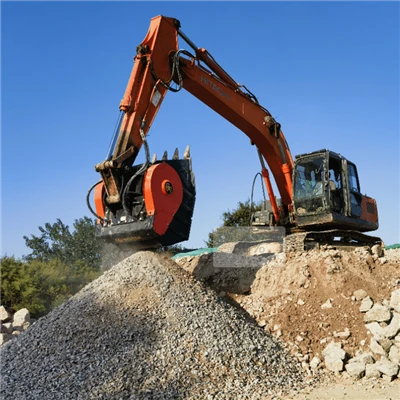
As a supplier of rock screening buckets, I understand the importance of ensuring these valuable pieces of equipment have a long and productive lifespan. A rock screening bucket is a versatile attachment used in various industries, such as construction, mining, and landscaping, to separate different sizes of materials. Maximizing its lifespan not only saves costs but also enhances operational efficiency. In this blog, I will share some practical tips on how to increase the lifespan of a rock screening bucket.
Regular Inspection and Maintenance
One of the most crucial steps in extending the lifespan of a rock screening bucket is regular inspection and maintenance. Just like any other heavy - duty equipment, a rock screening bucket is subject to wear and tear during normal operation. Conducting routine inspections can help identify potential issues before they turn into major problems.
- Visual Inspection: Before and after each use, perform a thorough visual inspection of the screening bucket. Check for any signs of damage, such as cracks, bent bars, or loose bolts. Pay special attention to the screening elements, as they are the most critical part of the bucket. If you notice any damage, it should be repaired or replaced immediately.
- Lubrication: Proper lubrication is essential for the smooth operation of the moving parts in the screening bucket. Refer to the manufacturer's guidelines for the recommended lubricants and lubrication intervals. Regularly lubricate the bearings, hinges, and other moving components to reduce friction and prevent premature wear.
- Cleaning: After each use, clean the screening bucket to remove any debris, dirt, or material buildup. Use a high - pressure water jet or a suitable cleaning agent to ensure a thorough clean. This not only helps in maintaining the performance of the bucket but also prevents corrosion, which can significantly reduce its lifespan.
Correct Installation and Use
Proper installation and correct use of the rock screening bucket are also key factors in increasing its lifespan.
- Installation: Ensure that the screening bucket is installed correctly on the loader or digger. Follow the manufacturer's installation instructions carefully and use the appropriate mounting hardware. Incorrect installation can lead to uneven stress distribution, which may cause premature wear and damage to the bucket.
- Operating Conditions: Operate the screening bucket within its recommended operating parameters. Avoid overloading the bucket with excessive material, as this can put unnecessary stress on the screening elements and other components. Also, be aware of the type of material being screened. Some materials, such as abrasive rocks, can cause more wear and tear than others. If possible, adjust the operating speed and settings according to the material characteristics.
- Operator Training: Provide proper training to the operators who will be using the screening bucket. An experienced and well - trained operator can handle the equipment more efficiently, reducing the risk of damage. Train them on the correct operating procedures, safety precautions, and how to identify early signs of problems.
Choosing the Right Screening Bucket
Selecting the appropriate screening bucket for your specific application is crucial for its long - term performance.
- Bucket Size and Capacity: Consider the size and capacity of the screening bucket based on your project requirements. A bucket that is too small may require multiple passes to screen a large amount of material, increasing the wear and tear on the equipment. On the other hand, a bucket that is too large may be difficult to handle and may also cause overloading.
- Screening Element Design: Different screening element designs are suitable for different types of materials. For example, a fine - mesh screening element is ideal for separating small particles, while a coarser mesh is better for larger materials. Choose a screening bucket with the right type of screening element to ensure efficient screening and reduce unnecessary stress on the bucket.
You can explore our range of screening buckets, including the Screening Bucket for Loader, Screening Bucket Attachment, and Digger Screening Bucket, to find the one that best suits your needs.


Replacement of Worn - Out Parts
Even with proper maintenance and use, some parts of the rock screening bucket will eventually wear out. Timely replacement of these worn - out parts is essential to keep the bucket in good working condition.
- Identify Worn Parts: Regularly monitor the condition of the screening bucket's components and identify any parts that are showing signs of excessive wear. This may include the screening elements, bearings, bolts, and hinges.
- Use Genuine Parts: When replacing parts, always use genuine parts from the manufacturer or a trusted supplier. Genuine parts are designed to fit and function properly with your screening bucket, ensuring optimal performance and longevity.
Storage
Proper storage of the rock screening bucket when it is not in use can also contribute to its extended lifespan.
- Dry and Protected Location: Store the screening bucket in a dry and protected area, such as a shed or a warehouse. This helps prevent corrosion and damage from the elements. If the bucket has to be stored outdoors, cover it with a waterproof tarp.
- Positioning: When storing the bucket, position it in a way that does not put unnecessary stress on the components. Avoid storing it in a position where it may be subject to accidental damage.
In conclusion, increasing the lifespan of a rock screening bucket requires a combination of regular inspection and maintenance, correct installation and use, choosing the right bucket, timely replacement of worn - out parts, and proper storage. By following these tips, you can ensure that your screening bucket performs efficiently for a longer period, saving you both time and money in the long run.
If you are interested in purchasing a high - quality rock screening bucket or have any questions about our products, we invite you to contact us for a procurement discussion. Our team of experts is ready to assist you in finding the best solution for your needs.
References
- Manufacturer's manuals for rock screening buckets
- Industry best practices for heavy - equipment maintenance and operation