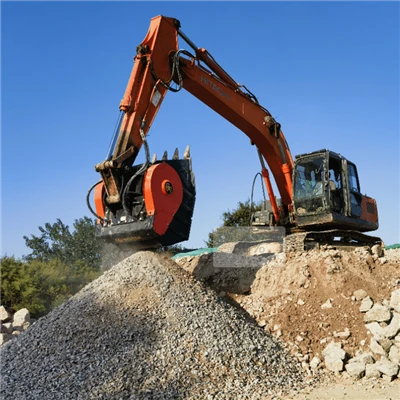
Hey there! As a supplier of soil mixing equipment, I often get asked about the explosion - prevention requirements for this kind of machinery. It's a super important topic, especially when it comes to ensuring the safety of workers and the smooth operation of construction sites. So, let's dive right in and explore what these requirements are.
Understanding the Risks
First off, we need to understand why explosion prevention is such a big deal for soil mixing equipment. When we're mixing soil, there are several factors that can lead to an explosive situation. For example, in some cases, the soil might contain flammable substances like methane gas. If the equipment isn't properly designed and maintained, this gas can build up and create a dangerous environment.
Also, the operation of the equipment itself can generate heat and sparks. If there are combustible dust particles in the air around the mixer, these sparks can ignite the dust, leading to an explosion. This is why it's crucial to have strict explosion - prevention measures in place.
Design and Construction Requirements
One of the key aspects of explosion prevention starts with the design and construction of the soil mixing equipment. The equipment should be built to prevent the accumulation of flammable gases and dust. This means that it needs to have proper ventilation systems. The ventilation helps to remove any potentially explosive substances from the area around the mixer.
For instance, the mixer should have vents that allow air to flow in and out freely. These vents should be strategically placed to ensure that any flammable gases are quickly carried away. Additionally, the design should minimize the chances of dust build - up. Smooth surfaces and well - sealed compartments can help prevent dust from collecting in hard - to - reach areas.
Another important design feature is the use of explosion - proof components. Motors, switches, and other electrical parts should be rated for use in potentially explosive environments. This means that they are designed to contain any internal sparks or arcs that could ignite the surrounding atmosphere.
Operational Requirements
Once the equipment is designed and built, proper operation is essential for explosion prevention. Operators need to be trained on how to use the equipment safely. They should be aware of the potential hazards and know how to respond in case of an emergency.
For example, operators should follow a strict cleaning schedule. Regularly cleaning the equipment helps to remove any dust or debris that could pose an explosion risk. They should also check for any signs of damage or wear on a daily basis. A small crack or leak in the equipment could allow flammable substances to escape and increase the risk of an explosion.
In addition, the area around the soil mixing equipment should be kept clean and free of combustible materials. This includes not storing any flammable liquids or gases near the mixer. And of course, smoking or using open flames in the vicinity of the equipment is a big no - no.
Maintenance and Inspection
Regular maintenance and inspection are vital for keeping the soil mixing equipment explosion - proof. The equipment should be inspected by a qualified technician on a regular basis. This inspection should include checking the ventilation system, the electrical components, and the overall structural integrity of the mixer.
Any worn or damaged parts should be replaced immediately. For example, if a seal is leaking, it could allow flammable gases to enter areas where they shouldn't be. By replacing the seal promptly, we can reduce the risk of an explosion.
Maintenance also involves lubricating moving parts to ensure smooth operation. A well - lubricated machine generates less heat, which can help prevent the ignition of flammable substances.
Safety Standards and Regulations
There are a number of safety standards and regulations that govern the explosion - prevention requirements for soil mixing equipment. These standards are in place to protect workers and the environment. As a supplier, we make sure that all our equipment meets or exceeds these standards.
For example, in many countries, there are specific requirements for the construction and operation of equipment in hazardous areas. These requirements cover everything from the materials used in the equipment to the training of operators.
It's important for both suppliers and users of soil mixing equipment to stay up - to - date with these regulations. Failure to comply can result in serious consequences, including fines and even shutdowns of construction sites.
Related Products and Solutions
If you're in the market for soil mixing equipment, you might also be interested in learning about In-situ Soil Stabilization Methods. These methods can be used in conjunction with soil mixing to improve the quality of the soil and make construction projects more stable.
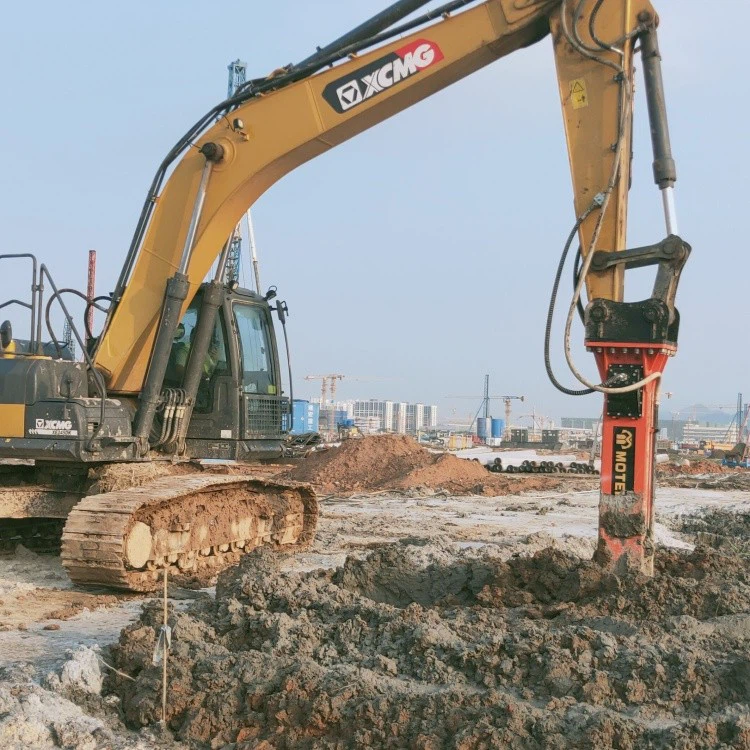

Our Soil Improvement Machine is another great option. It's designed to work efficiently and safely, with all the necessary explosion - prevention features. And our Soil Improvement System provides a comprehensive solution for soil treatment.
Contact Us for Procurement
If you're looking to purchase soil mixing equipment or any of our related products, we'd love to hear from you. Our team of experts can help you choose the right equipment for your specific needs and ensure that it meets all the necessary explosion - prevention requirements. Don't hesitate to reach out and start the procurement process. We're here to make your construction projects safer and more efficient.
References
- Occupational Safety and Health Administration (OSHA) guidelines on explosion prevention in industrial equipment.
- International Electrotechnical Commission (IEC) standards for electrical equipment in hazardous areas.