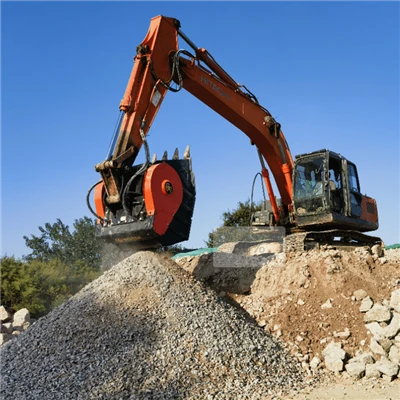
Hey there! As a supplier of Soil Mixing Heads, I often get asked about the flow rate of the soil mixture when using our equipment. It's a crucial question because the flow rate can significantly impact the efficiency and effectiveness of soil mixing operations. In this blog, I'll break down what the flow rate is, what factors affect it, and how you can optimize it for your projects.
First off, let's talk about what we mean by the flow rate of the soil mixture. Simply put, it's the volume of the soil mixture that passes through the soil mixing head per unit of time. Usually, it's measured in cubic meters per hour (m³/h) or cubic feet per hour (ft³/h). This rate tells you how much soil you can mix and process within a specific time frame, which is super important for project planning and cost - control.
Now, several factors can influence the flow rate of the soil mixture. The first one is the type of soil. Different soils have different properties, such as particle size, moisture content, and density. For example, sandy soil is generally easier to mix and has a higher flow rate compared to clayey soil. Clayey soil is more cohesive, which means it tends to stick together and can slow down the flow through the mixing head.
The design of the soil mixing head itself also plays a huge role. Our Soil Mixing Heads are engineered with precision to ensure optimal flow. The number and shape of the mixing blades, the diameter of the mixing chamber, and the inlet and outlet sizes all affect how smoothly the soil mixture can pass through. A well - designed mixing head will have a more consistent and higher flow rate.

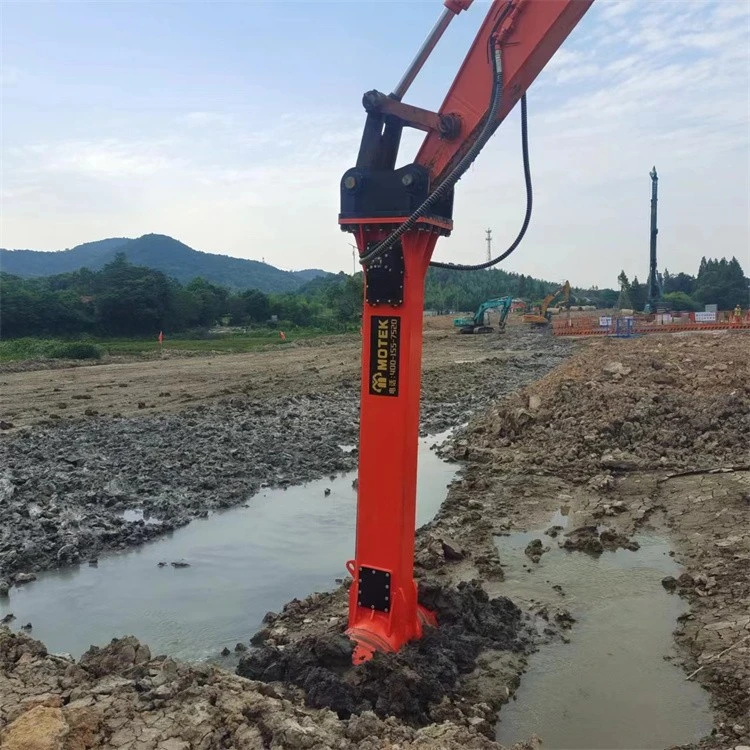
Another factor is the speed of the mixing equipment. If the mixing head is rotating too slowly, the soil mixture may not move through the head efficiently, resulting in a lower flow rate. On the other hand, if it's rotating too fast, it might cause excessive turbulence, which can also disrupt the flow. Finding the right speed is key to achieving an ideal flow rate.
Let's take a closer look at how these factors interact in real - world scenarios. Suppose you're working on a Mass Soil Mixing project. In this type of project, large volumes of soil need to be mixed and stabilized. The flow rate of the soil mixture is critical to meet the project's deadlines. If you're dealing with a high - clay content soil, you might need to adjust the speed of the mixing head and perhaps use some soil additives to improve the flow.
If you're using an Excavator Soil Mixer, the mobility of the equipment allows you to work in different areas of the site. However, the flow rate can still be affected by the soil conditions at each location. You may need to make on - the - spot adjustments to ensure a consistent flow.
For smaller - scale projects, a Mixer can be a great option. These mixers are more compact and can be used in confined spaces. But again, the flow rate depends on the same factors we've discussed, like soil type and mixing head design.
So, how can you optimize the flow rate of the soil mixture? Here are some tips. First, conduct a thorough soil analysis before starting the project. This will help you understand the properties of the soil and make appropriate adjustments. You can also experiment with different mixing head speeds to find the sweet spot for the best flow.
Regular maintenance of the soil mixing head is also essential. Over time, the mixing blades can wear out, and the mixing chamber can get clogged with soil. Cleaning and replacing worn - out parts will ensure that the mixing head operates at its peak performance and maintains a good flow rate.
In addition, using soil additives can sometimes improve the flow rate. For example, adding a small amount of a dispersing agent to clayey soil can reduce its cohesion and make it flow more easily through the mixing head.
Now, if you're in the market for a high - quality Soil Mixing Head, we've got you covered. Our products are designed with the latest technology to provide a high and consistent flow rate. Whether you're working on a large - scale mass soil mixing project or a smaller - scale excavation job, our Soil Mixing Heads can meet your needs.
We understand that every project is unique, and that's why we offer customized solutions. Our team of experts can work with you to determine the best soil mixing head for your specific requirements. We can also provide training and support to ensure that you get the most out of your equipment.
If you're interested in learning more about our Soil Mixing Heads or want to discuss your project, don't hesitate to reach out. We're here to help you achieve a successful soil mixing operation with an optimal flow rate.
References
- Geotechnical Engineering textbooks on soil properties and mixing processes
- Industry reports on soil stabilization and soil mixing equipment performance