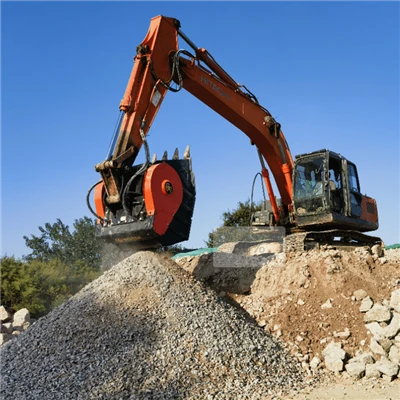
Troubleshooting the electrical system of a Bucket Jaw Crusher is a crucial skill for anyone involved in the operation and maintenance of these powerful machines. As a supplier of Bucket Jaw Crushers, I understand the importance of ensuring that these crushers run smoothly and efficiently. In this blog post, I will share some valuable insights on how to troubleshoot the electrical system of a Bucket Jaw Crusher.
Understanding the Electrical System of a Bucket Jaw Crusher
Before diving into troubleshooting, it's essential to have a basic understanding of the electrical system in a Bucket Jaw Crusher. The electrical system typically consists of a power source, control panel, motors, sensors, and wiring. The power source provides the energy needed to operate the crusher, while the control panel allows operators to start, stop, and adjust the machine's functions. Motors drive the crushing mechanism, and sensors monitor various parameters such as temperature, pressure, and speed.
Common Electrical Problems in Bucket Jaw Crushers
There are several common electrical problems that can occur in Bucket Jaw Crushers. These include:
1. Power Supply Issues
- No Power: If the crusher does not start at all, the first thing to check is the power supply. Ensure that the breaker is not tripped and that the power cord is properly connected. Sometimes, a blown fuse can also cause a loss of power.
- Low Voltage: Low voltage can lead to reduced motor performance and may cause the crusher to operate inefficiently or even stop working altogether. Use a voltmeter to check the voltage at the power source and at the motor terminals.
2. Motor Problems
- Overheating: Motors can overheat due to excessive load, poor ventilation, or a malfunctioning cooling system. Check the motor's temperature regularly and ensure that the cooling fins are clean and unobstructed. If the motor is overheating, reduce the load or increase the ventilation.
- Motor Failure: Motor failure can be caused by a variety of factors, including worn bearings, short circuits, or damaged windings. If the motor fails to start or makes unusual noises, it may need to be replaced.
3. Control Panel Malfunctions
- Faulty Switches: Switches on the control panel can wear out over time and may fail to function properly. Check the switches for signs of damage or wear and replace them if necessary.
- Control Circuit Issues: Problems in the control circuit can prevent the crusher from starting or cause it to operate erratically. Use a multimeter to check the continuity of the control circuit and look for any loose connections or damaged components.
4. Sensor Failures
- Inaccurate Readings: Sensors are used to monitor various parameters in the crusher. If a sensor is providing inaccurate readings, it can lead to improper operation of the machine. Check the sensor connections and calibration to ensure accurate readings.
- Sensor Damage: Physical damage to sensors can also cause them to malfunction. Inspect the sensors for any signs of damage and replace them if needed.
Troubleshooting Steps
Now that we've identified some common electrical problems, let's go through the troubleshooting steps:
Step 1: Safety First
Before starting any troubleshooting, ensure that the crusher is powered off and that all safety locks are engaged. This will prevent any accidental start - up and protect you from potential electrical hazards.
Step 2: Visual Inspection
- Check the wiring for any signs of damage, such as frayed wires, loose connections, or burned insulation. Look for any visible signs of overheating or arcing in the control panel and motor.
- Inspect the sensors and switches for physical damage or wear. Make sure that all components are properly mounted and secured.
Step 3: Check the Power Supply
- Use a voltmeter to measure the voltage at the power source. If the voltage is outside the acceptable range, contact an electrician to resolve the issue.
- Check the breaker and fuses. If a breaker is tripped, reset it. If a fuse is blown, replace it with a fuse of the correct rating.
Step 4: Test the Motors
- Use a multimeter to check the resistance of the motor windings. A significant difference in resistance between phases may indicate a motor problem.
- If the motor is not running, check the motor starter and contactors. Look for any signs of damage or wear and replace them if necessary.
Step 5: Examine the Control Panel
- Check the switches and relays on the control panel for proper operation. Use a continuity tester to check the continuity of the control circuit.
- Look for any error codes on the control panel display. Refer to the crusher's manual to interpret the error codes and take appropriate action.
Step 6: Inspect the Sensors
- Check the sensor connections to ensure they are secure. Use a sensor tester to verify the sensor's functionality.
- If a sensor is not working correctly, replace it with a new one.
Preventive Maintenance
To minimize the occurrence of electrical problems in Bucket Jaw Crushers, it's important to implement a preventive maintenance program. Here are some preventive maintenance tips:
- Regular Inspections: Conduct regular visual inspections of the electrical system to identify any potential problems early. Check the wiring, components, and connections for signs of wear or damage.
- Cleaning: Keep the electrical components clean and free of dust and debris. Use compressed air to blow out any dust from the control panel and motor.
- Lubrication: If applicable, lubricate the moving parts of the electrical system, such as bearings, to ensure smooth operation.
- Calibration: Regularly calibrate the sensors to ensure accurate readings.
Conclusion
Troubleshooting the electrical system of a Bucket Jaw Crusher requires a combination of knowledge, skills, and patience. By understanding the common electrical problems, following the troubleshooting steps, and implementing a preventive maintenance program, you can keep your Bucket Jaw Crusher running smoothly and efficiently.


If you are in the market for a high - quality Bucket Jaw Crusher, we offer a wide range of products including Concrete Crusher Bucket, Large Jaw Crusher, and Bucket Crusher Concrete. Our crushers are designed with the latest technology and high - quality materials to ensure reliable performance. If you have any questions or are interested in purchasing a Bucket Jaw Crusher, please feel free to contact us for more information and to start a procurement discussion.
References
- Manufacturer's Manual for Bucket Jaw Crushers
- Electrical Engineering Handbook for Industrial Equipment