Can soil improvements improve the quality of fruits and vegetables?
As a supplier of soil improvement products and systems, I've witnessed firsthand the transformative power of enhancing soil health. In this blog, I'll explore the relationship between soil improvements and the quality of fruits and vegetables, backed by scientific research and real - world examples.
The Importance of Soil in Agriculture
Soil is the foundation of agriculture. It provides essential nutrients, water, and a physical support structure for plants. The quality of soil directly impacts the growth, development, and ultimately, the quality of the produce. Healthy soil contains a diverse community of microorganisms, such as bacteria, fungi, and earthworms, which play crucial roles in nutrient cycling, soil structure formation, and plant disease suppression.
How Soil Improvements Work
There are various methods of soil improvement, including adding organic matter, using soil decontamination techniques, and implementing a comprehensive soil improvement system.
Adding organic matter, such as compost, manure, or cover crops, is one of the most effective ways to improve soil health. Organic matter increases soil fertility by providing a slow - release source of nutrients, improving soil structure, and enhancing water - holding capacity. It also promotes the growth of beneficial soil microorganisms, which help break down organic matter and make nutrients more available to plants. For example, a study published in the Journal of Plant Nutrition found that adding compost to soil increased the yield and quality of tomatoes, including higher levels of vitamin C and lycopene.
Soil Decontamination is another important aspect of soil improvement, especially in areas where the soil has been contaminated with heavy metals, pesticides, or other pollutants. Decontamination techniques can include phytoremediation (using plants to remove contaminants), bioremediation (using microorganisms to break down contaminants), and chemical treatments. By removing contaminants from the soil, we can ensure that the fruits and vegetables grown in it are safe for consumption and of high quality.
A Soil Improvement System combines multiple strategies to create a holistic approach to soil management. This may involve a combination of organic matter addition, soil decontamination, and proper irrigation and fertilization practices. A well - designed soil improvement system can optimize soil conditions for plant growth, leading to healthier plants and better - quality produce.
Impact on Fruit and Vegetable Quality
The quality of fruits and vegetables can be evaluated in several ways, including nutritional content, flavor, texture, and appearance. Soil improvements can have a significant impact on each of these aspects.
Nutritional Content: As mentioned earlier, adding organic matter to the soil can increase the availability of nutrients to plants. This often results in fruits and vegetables with higher levels of vitamins, minerals, and antioxidants. For instance, research has shown that fruits and vegetables grown in organically - improved soil tend to have higher levels of vitamin C, vitamin E, and beta - carotene compared to those grown in conventional soil. These nutrients are not only important for human health but also contribute to the overall quality and shelf - life of the produce.
Flavor: Soil health can also influence the flavor of fruits and vegetables. A balanced soil with the right combination of nutrients and microorganisms can enhance the synthesis of flavor - related compounds in plants. For example, a vineyard that uses soil improvement techniques may produce grapes with more complex and intense flavors, which are then translated into high - quality wines. Similarly, vegetables grown in healthy soil often have a more robust and natural flavor, making them more appealing to consumers.
Texture: The texture of fruits and vegetables is affected by their cell structure and water - holding capacity. Soil improvements that enhance water - holding capacity and soil structure can result in produce with better texture. For example, carrots grown in well - structured soil are likely to be more crisp and less prone to splitting, while tomatoes grown in soil with good water - retention properties may have a juicier and more tender texture.
Appearance: Healthy soil can also contribute to the visual appeal of fruits and vegetables. Plants grown in nutrient - rich soil are generally more vigorous and less susceptible to diseases and pests, resulting in produce with fewer blemishes and a more uniform appearance. This is especially important for consumers, who often judge the quality of fruits and vegetables based on their appearance.
Real - World Examples
Many farmers and growers around the world have already experienced the benefits of soil improvements on the quality of their fruits and vegetables.
In California, a strawberry farmer switched from conventional farming methods to using a Soil Improvement Products approach that included adding compost and cover crops to the soil. The result was strawberries with a sweeter flavor, firmer texture, and higher levels of vitamin C. The farmer also noticed a significant reduction in pest and disease problems, which led to a higher yield and better - quality produce.
In Europe, a group of organic vegetable growers implemented a comprehensive soil improvement system that focused on soil fertility and biodiversity. They reported that their vegetables had a more intense flavor, better texture, and a longer shelf - life compared to vegetables grown using traditional methods. The improved quality of their produce allowed them to command a higher price in the market.
Conclusion
In conclusion, soil improvements can have a profound impact on the quality of fruits and vegetables. By enhancing soil health through methods such as adding organic matter, soil decontamination, and implementing a comprehensive soil improvement system, we can increase the nutritional content, flavor, texture, and appearance of the produce. This not only benefits consumers by providing them with healthier and more delicious food but also benefits farmers and growers by improving their yields and marketability.

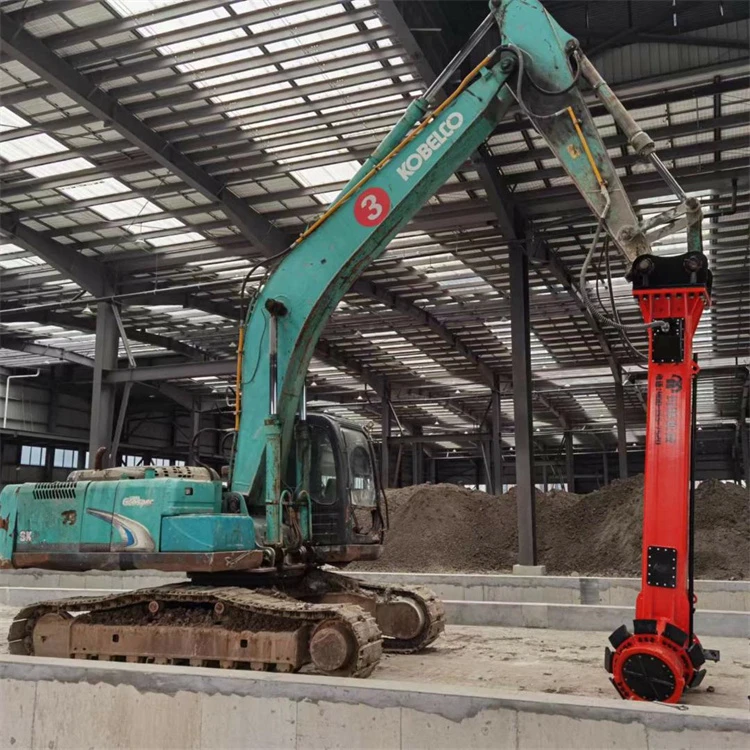
If you're a farmer, grower, or anyone interested in improving the quality of your fruits and vegetables, I encourage you to consider investing in soil improvements. Our company offers a wide range of Soil Improvement Products and a comprehensive Soil Improvement System that can be tailored to your specific needs. Contact us to discuss how we can help you achieve better - quality produce through soil improvements.
References
- Journal of Plant Nutrition. (Year). "Effect of compost addition on tomato yield and quality."
- Research on nutritional content of organically - grown produce. (Year). Various sources.
- Case studies on soil improvement in California and Europe. (Year). Local agricultural reports.