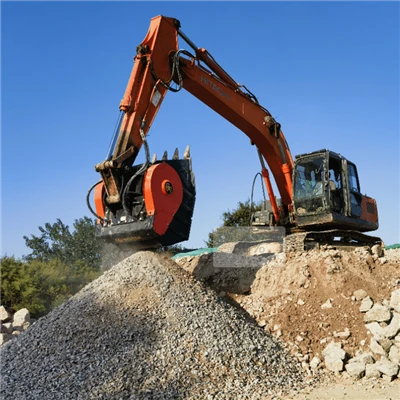
As a supplier of Soil Screening Buckets, I often get asked about the energy consumption of these essential pieces of equipment. Understanding the energy requirements of a soil screening bucket is crucial for both cost - effectiveness and environmental considerations. In this blog, I'll delve into the factors that influence the energy consumption of soil screening buckets and provide some insights for potential buyers.
Factors Affecting Energy Consumption
1. Bucket Size
The size of the soil screening bucket plays a significant role in energy consumption. Larger buckets can hold more material at once, but they also require more power to operate. A bigger bucket has a greater mass, which means more energy is needed to lift, tilt, and screen the material. For example, a large - scale Rock Screening Bucket designed for heavy - duty construction projects will consume more energy compared to a smaller, more compact one used for landscaping or small - scale gardening.
2. Material Density and Composition
The type of material being screened is another important factor. Dense materials like wet clay or heavy rocks require more energy to break apart and sift through the screening mechanism. On the other hand, light and loose materials such as dry sand or peat moss are easier to screen and thus consume less energy. If the soil has a high percentage of large rocks or debris, the bucket will have to work harder to separate them from the finer particles, leading to increased energy usage.
3. Screening Mechanism
There are different types of screening mechanisms available in soil screening buckets, such as rotating drums, vibrating screens, and static grids. Each mechanism has its own energy requirements. Rotating drum screeners, for instance, need a continuous power supply to keep the drum spinning at the right speed. Vibrating screens rely on an electric or hydraulic motor to generate vibrations, and the intensity of these vibrations affects energy consumption. Static grids, while generally less energy - intensive, may not be as efficient for some types of materials.
4. Hydraulic System
Most soil screening buckets are powered by hydraulic systems. The efficiency of the hydraulic system directly impacts energy consumption. A well - maintained hydraulic system with properly sized hoses, valves, and pumps will operate more efficiently and use less energy. Leaks in the hydraulic system can cause a significant loss of power and increase energy consumption. Additionally, the pressure and flow rate settings of the hydraulic system need to be optimized for the specific bucket and the material being screened.
Measuring Energy Consumption
To accurately measure the energy consumption of a soil screening bucket, several methods can be used. One common approach is to use a power meter to measure the electrical or hydraulic power input during operation. This provides a direct measurement of the energy being used. Another method is to calculate the fuel consumption of the vehicle (such as a skid steer or excavator) that is powering the bucket. By monitoring the fuel usage over a period of time and correlating it with the amount of material screened, an estimate of the energy consumption per unit of material can be obtained.
Energy - Saving Tips
1. Proper Sizing
Choose a soil screening bucket that is appropriately sized for your specific application. Avoid using an oversized bucket for small - scale projects, as it will consume more energy than necessary. Similarly, don't try to use an undersized bucket for large - volume jobs, as it may lead to longer operating times and increased energy consumption in the long run.
2. Material Preparation
If possible, pre - sort the material before screening. Remove large rocks, branches, and other debris that could cause the bucket to work harder. This can significantly reduce the energy required for screening. Additionally, if the material is too wet, allowing it to dry out a bit can make it easier to screen and lower energy consumption.

3. Regular Maintenance
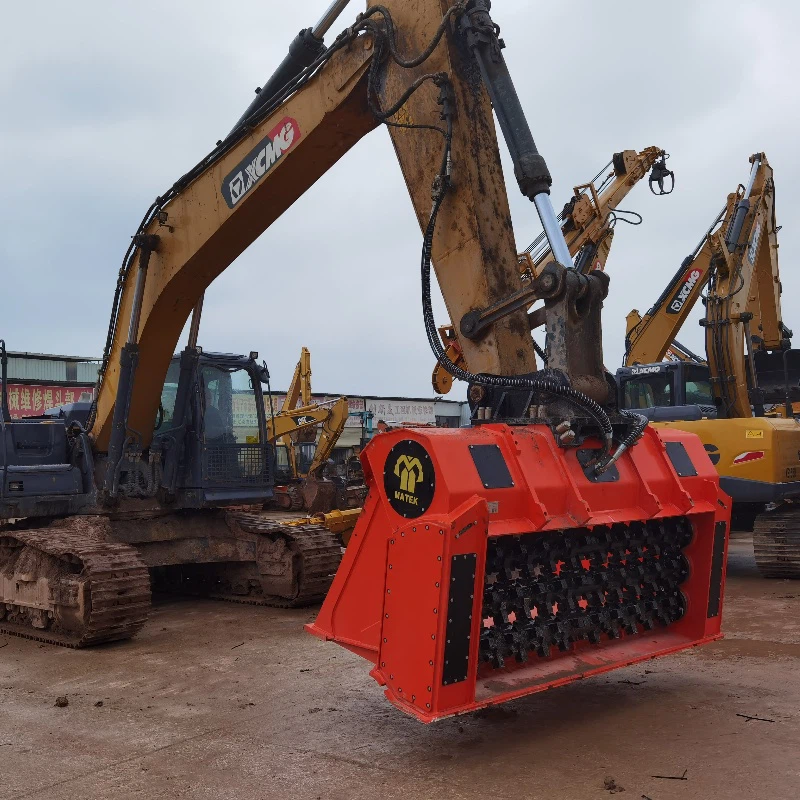
Keep the soil screening bucket and its associated hydraulic system well - maintained. Check for leaks, replace worn - out parts, and ensure that all moving components are properly lubricated. A well - maintained bucket will operate more efficiently and use less energy.
4. Optimize Hydraulic Settings
Work with a professional to optimize the hydraulic pressure and flow rate settings for your soil screening bucket. This can ensure that the bucket is operating at its most energy - efficient level without sacrificing performance.
Comparing Different Types of Soil Screening Buckets
Screener Bucket for Skid Steer
Skid steer loaders are commonly used in a variety of construction and landscaping applications. Screener buckets for skid steers are designed to be compact and easy to operate. They typically have a lower energy consumption compared to larger buckets used with excavators. However, their screening capacity is also limited. The energy consumption of a skid steer screener bucket depends on the size of the bucket, the type of screening mechanism, and the power of the skid steer loader.
Bucket Screener
Bucket screeners come in various sizes and configurations. They can be attached to different types of heavy equipment, such as excavators and wheel loaders. Larger bucket screeners used with excavators may have a higher energy consumption due to their larger size and the need to power the screening mechanism. However, they also offer a higher screening capacity, which can be more cost - effective for large - scale projects.
Conclusion
In conclusion, the energy consumption of a soil screening bucket is influenced by multiple factors, including bucket size, material density, screening mechanism, and hydraulic system efficiency. By understanding these factors and implementing energy - saving measures, operators can reduce the energy costs associated with using soil screening buckets. As a supplier, I am committed to providing high - quality soil screening buckets that are not only efficient in terms of screening performance but also energy - efficient.
If you are in the market for a soil screening bucket and want to learn more about our products, their energy consumption, and how they can meet your specific needs, I encourage you to reach out to us for a detailed discussion. We can provide you with all the information you need to make an informed decision and help you find the most suitable soil screening bucket for your project.
References
- "Hydraulic System Design and Efficiency" - A technical guide on hydraulic systems in heavy equipment.
- "Soil Screening Technology: Principles and Applications" - A comprehensive book on soil screening methods and equipment.