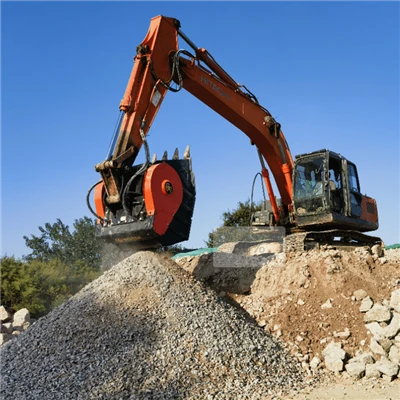
As a supplier of small jaw crushers, I've witnessed firsthand the challenges faced when dealing with hard materials. Hard materials, such as granite, basalt, and quartzite, pose unique difficulties in the crushing process. Their high hardness and abrasiveness can significantly reduce the efficiency of small jaw crushers, leading to increased wear and tear, longer processing times, and higher operational costs. In this blog post, I'll share some practical strategies to improve the crushing efficiency of small jaw crushers when working with hard materials.
Understanding the Working Principle of Small Jaw Crushers
Before delving into the strategies for improving crushing efficiency, it's essential to understand how small jaw crushers work. A small jaw crusher consists of a fixed jaw and a movable jaw. The movable jaw moves back and forth against the fixed jaw, creating a crushing chamber where the material is compressed and broken into smaller pieces. The size of the crushed material is determined by the gap between the two jaws, known as the discharge opening.
Selecting the Right Crusher Model
The first step in improving the crushing efficiency of small jaw crushers is to select the right model for the job. Different models of small jaw crushers have different capacities, power requirements, and crushing ratios. When dealing with hard materials, it's crucial to choose a crusher with a high crushing ratio and sufficient power to handle the tough material.
For example, if you're working with extremely hard granite, a small jaw crusher with a high-powered motor and a large crushing chamber would be more suitable. This type of crusher can apply greater force to the material, breaking it down more effectively. Additionally, consider the feed size of the material. Make sure the crusher can accept the largest pieces of hard material you'll be working with.
Optimizing the Feed Material
Properly preparing the feed material can significantly improve the crushing efficiency of small jaw crushers. Here are some tips for optimizing the feed material:
- Screening: Before feeding the hard material into the crusher, use a screen to remove any fine particles or debris. Fine particles can clog the crusher and reduce its efficiency. By removing them, you can ensure that only the larger pieces of material enter the crusher, allowing it to work more effectively.
- Size Reduction: If the hard material is too large, it can cause the crusher to jam or operate inefficiently. Consider using a pre - crusher or a primary crusher to reduce the size of the material before feeding it into the small jaw crusher. This can help the jaw crusher work more smoothly and increase its overall efficiency.
- Uniform Feed: Ensure a uniform feed of the material into the crusher. Irregular feeding can lead to uneven wear on the jaws and reduce the crushing efficiency. Use a vibrating feeder or a conveyor belt to control the flow of material and ensure a consistent feed rate.
Adjusting the Discharge Opening
The discharge opening of the small jaw crusher plays a crucial role in determining the size of the crushed material and the crushing efficiency. When working with hard materials, it's important to adjust the discharge opening correctly.
If the discharge opening is too small, the crusher may become overloaded, leading to reduced efficiency and increased wear on the jaws. On the other hand, if the discharge opening is too large, the crushed material may not be small enough, and additional processing may be required.
To find the optimal discharge opening, start with a slightly larger setting and gradually reduce it while monitoring the crusher's performance. The goal is to achieve the desired size of the crushed material while maintaining a high crushing efficiency.
Maintaining the Crusher Regularly
Regular maintenance is essential for ensuring the optimal performance of small jaw crushers, especially when dealing with hard materials. Here are some maintenance tasks to keep in mind:


- Lubrication: Proper lubrication of the moving parts, such as the bearings and the eccentric shaft, is crucial. Hard materials can generate a lot of heat and friction during the crushing process, which can cause premature wear if the parts are not properly lubricated. Follow the manufacturer's recommendations for lubrication intervals and use high - quality lubricants.
- Inspection and Replacement of Wearing Parts: The jaws of the small jaw crusher are the most critical wearing parts. Regularly inspect the jaws for signs of wear, such as cracks or excessive abrasion. Replace the worn jaws promptly to maintain the crushing efficiency. Other wearing parts, such as the toggle plate and the pitman, should also be inspected and replaced as needed.
- Cleaning: Keep the crusher clean to prevent the accumulation of dust and debris, which can interfere with the operation of the crusher. Regularly clean the crushing chamber, the feed hopper, and the discharge chute.
Using High - Quality Wear - Resistant Materials
When dealing with hard materials, the wearing parts of the small jaw crusher are subject to severe abrasion. Using high - quality wear - resistant materials for the jaws and other critical components can significantly extend their service life and improve the crushing efficiency.
For example, some manufacturers offer jaws made of special alloy steels or composite materials that are highly resistant to wear. These materials can withstand the intense abrasion caused by hard materials, reducing the frequency of jaw replacements and ensuring consistent crushing performance.
Incorporating Advanced Technologies
Advancements in crusher technology have led to the development of features that can improve the crushing efficiency of small jaw crushers. Some crushers are equipped with hydraulic systems that allow for easy adjustment of the discharge opening and overload protection.
Hydraulic adjustment can save time and effort compared to manual adjustment, especially when you need to change the size of the crushed material frequently. Overload protection systems can prevent damage to the crusher in case of sudden increases in the feed load, ensuring its long - term reliability.
Conclusion
Improving the crushing efficiency of small jaw crushers when working with hard materials requires a comprehensive approach. By selecting the right crusher model, optimizing the feed material, adjusting the discharge opening correctly, maintaining the crusher regularly, using high - quality wear - resistant materials, and incorporating advanced technologies, you can enhance the performance of your small jaw crusher and reduce operational costs.
If you're in the market for a high - quality small jaw crusher or need more information on improving crushing efficiency, feel free to [initiate a conversation with us]. We're a leading supplier of small jaw crushers, and our team of experts is ready to assist you in finding the best solution for your specific needs.
In addition to small jaw crushers, we also offer a range of related products such as Excavator Jaw Bucket, Stone Crusher, and Crusher Bucket Excavator. These products can complement your crushing operations and provide more flexibility in handling different types of materials.
References
- Smith, J. (2018). Crushing Technology Handbook. Industrial Press.
- Johnson, R. (2020). Advances in Small Crusher Design. Journal of Mining Equipment, 25(3), 45 - 52.
- Brown, A. (2019). Wear - Resistant Materials for Crushers. Materials Science Review, 12(2), 78 - 85.