Can a rock screening bucket be used in wet conditions?
As a supplier of rock screening buckets, I often get asked whether these versatile tools can be effectively used in wet conditions. It's a valid question, considering that the performance of many construction and earth - moving equipment can be significantly affected by moisture. In this blog, I'll delve into the factors that determine the usability of rock screening buckets in wet environments, their advantages and limitations, and offer some practical tips for optimal performance.
How Rock Screening Buckets Work
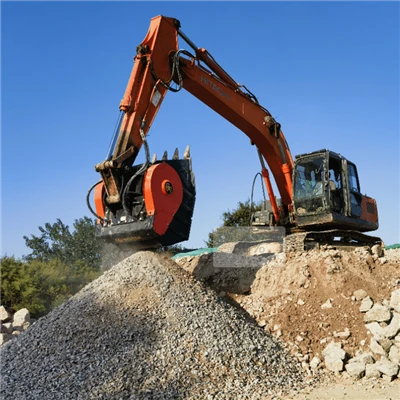
Before discussing their use in wet conditions, it's essential to understand how rock screening buckets operate. A rock screening bucket is designed to separate different sizes of materials, such as rocks, soil, and debris. It typically consists of a frame with a series of bars or grids. When the bucket is filled with material and agitated, the smaller particles pass through the gaps between the bars, while the larger ones remain in the bucket. This process is highly efficient for sorting materials on construction sites, landscaping projects, and mining operations.
Using Rock Screening Buckets in Wet Conditions
The short answer is yes, a rock screening bucket can be used in wet conditions, but there are several factors to consider.
Advantages
- Enhanced Screening in Some Cases: In certain situations, a small amount of moisture can actually aid the screening process. Wet soil, for example, may clump less when passing through the screening bars, allowing for a more consistent separation of particles. The moisture can also help to lubricate the material, reducing friction and making it easier for smaller particles to pass through the gaps.
- Dust Suppression: Working in wet conditions can significantly reduce dust emissions. This is not only beneficial for the environment but also for the health and safety of workers on the site. When screening dry materials, a large amount of dust can be generated, which can cause respiratory problems and reduce visibility.
Limitations
- Clogging: The most significant challenge when using a rock screening bucket in wet conditions is the potential for clogging. Wet materials, especially clay - rich soils, have a tendency to stick to the screening bars. As more material accumulates, the gaps between the bars can become blocked, reducing the efficiency of the screening process. This can lead to longer processing times and may require frequent stops to clean the bucket.
- Reduced Screening Efficiency: In very wet conditions, the weight of the water - saturated material can make it more difficult for the bucket to agitate and separate the particles effectively. The increased density of the wet material can also cause the screening bars to wear out more quickly.
Factors Affecting Performance in Wet Conditions
- Material Type: Different materials react differently to moisture. For example, sandy soils are less likely to clog the screening bucket compared to clayey soils. Organic materials, such as leaves and twigs, can also become more difficult to screen when wet, as they tend to clump together.
- Degree of Moisture: The amount of moisture in the material is a crucial factor. A light mist or a small amount of surface moisture may not cause significant problems, but heavy rain or water - saturated ground can severely impact the performance of the screening bucket.
- Design of the Screening Bucket: The design of the screening bucket, including the spacing between the bars and the shape of the frame, can also affect its performance in wet conditions. Buckets with wider bar spacing are generally less prone to clogging, but they may not be as effective at separating smaller particles.
Tips for Using Rock Screening Buckets in Wet Conditions
- Choose the Right Bucket: Select a screening bucket with a design that is suitable for wet conditions. For example, some buckets are equipped with self - cleaning mechanisms, such as rotating bars or vibrating screens, which can help to prevent clogging.
- Pre - Treatment of Materials: If possible, allow the wet material to dry slightly before screening. This can reduce the risk of clogging and improve the screening efficiency. You can also try using a soil stabilizer or a dispersing agent to break up clumps of wet soil.
- Regular Maintenance: Regularly clean the screening bucket to remove any accumulated material. This can be done using a pressure washer or a brush. Inspect the screening bars for signs of wear and damage, and replace them as needed.
Applications in Wet Conditions
Despite the challenges, there are many situations where using a rock screening bucket in wet conditions is necessary or beneficial.


- Landscaping Projects: In landscaping, wet soil may need to be screened to remove rocks and debris before planting. The ability to work in wet conditions allows for continuous progress on the project, even during rainy weather.
- Mining Operations: In some mining operations, the ore or soil may be naturally wet. Using a rock screening bucket can help to separate the valuable minerals from the waste material, even in these challenging conditions.
If you are interested in our Screening Bucket Skid Steer, Digger Screening Bucket or Topsoil Screening Bucket, we are here to assist you. Our team of experts can provide you with detailed information about the product specifications and help you choose the right screening bucket for your specific needs. Whether you need a bucket for occasional use or for a large - scale project, we have a solution that will meet your requirements. Don't hesitate to contact us to start a discussion about your procurement needs. We look forward to working with you to find the best rock screening bucket for your operations.
References
- Construction Equipment Handbook, 2023 Edition
- Mining Engineering Journal, Vol. 45, Issue 2
- Landscaping and Earthmoving Magazine, May 2023