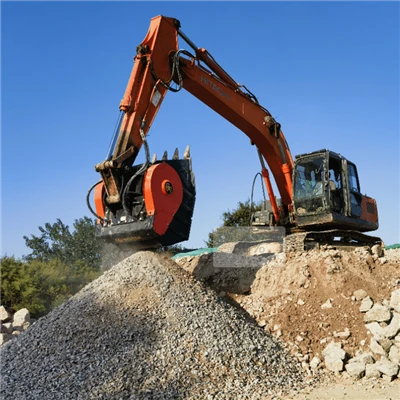
Hey there! I'm a supplier of Soil Mixing Head, and I've been in this industry for quite a while. Today, I want to talk about something that's super important when it comes to the performance of a soil mixing head: soil pH.
What is Soil pH?
First things first, let's quickly go over what soil pH is. Soil pH is a measure of how acidic or alkaline the soil is. It's measured on a scale from 0 to 14, with 7 being neutral. A pH below 7 means the soil is acidic, and a pH above 7 means it's alkaline.
You might be wondering, why does this matter? Well, the pH of the soil can have a huge impact on a whole bunch of things, like the availability of nutrients for plants, the activity of soil microorganisms, and in our case, the performance of a soil mixing head.
How Soil pH Affects Soil Mixing Head Performance
Chemical Reactions
One of the main ways soil pH affects the performance of a soil mixing head is through chemical reactions. When we're using a soil mixing head, we're often trying to mix in certain Soil Improvement Products like lime, cement, or other additives. These additives react with the soil in different ways depending on the soil's pH.
For example, in acidic soils, lime is often used to raise the pH and make the soil more alkaline. When the soil mixing head blends the lime into the acidic soil, a chemical reaction occurs. The lime reacts with the acidic components in the soil, neutralizing the acidity. But if the soil is already too alkaline, adding lime can throw off the balance even more and might not have the desired effect.
On the other hand, some soil improvement products work better in acidic conditions. For instance, certain types of fertilizers might be more effective in releasing nutrients when the soil is slightly acidic. If the soil pH is off, these products might not work as well, and the soil mixing head won't be able to achieve the best results.
Soil Aggregation
Soil pH also plays a role in soil aggregation. Soil aggregation refers to how the soil particles clump together. In a well - aggregated soil, there are pores between the aggregates that allow for better water infiltration, air movement, and root growth.
Acidic soils tend to have different aggregation properties compared to alkaline soils. In acidic soils, the low pH can cause the soil particles to disperse more easily. This means that when the soil mixing head is trying to mix in additives, it might be more difficult to get a uniform mixture because the soil particles aren't sticking together well.


In alkaline soils, the high pH can sometimes lead to the formation of hard, compacted layers. When the soil mixing head tries to break up these layers and mix in additives, it might face more resistance. This can put more stress on the soil mixing head, potentially leading to increased wear and tear and reduced efficiency.
Microbial Activity
Soil microorganisms are like the little workers in the soil ecosystem. They play a crucial role in breaking down organic matter, releasing nutrients, and improving soil structure. The activity of these microorganisms is highly influenced by soil pH.
Most soil microorganisms prefer a slightly acidic to neutral pH range. In acidic soils, the microbial activity might be slowed down, which can affect the decomposition of organic matter and the release of nutrients. When using a soil mixing head to incorporate organic matter into the soil, the lack of microbial activity can mean that the organic matter takes longer to break down and become available to plants.
In alkaline soils, some microorganisms might not be able to survive at all. This can disrupt the natural soil ecosystem and make it more difficult to achieve the desired soil improvement goals with the soil mixing head.
Case Studies
Let me share a couple of real - world examples to illustrate how soil pH can impact the performance of a soil mixing head.
Acidic Mine Tailings
We once had a project where we were working on acidic mine tailings. The soil pH was extremely low, around 3. The goal was to use a soil mixing head to mix in lime and other soil improvement products to stabilize the soil and make it suitable for vegetation.
When we first started using the soil mixing head, we noticed that it was difficult to get a homogeneous mixture. The acidic soil particles were very fine and dispersed easily, making it hard for the additives to bind with the soil. We had to run the soil mixing head for longer periods and at higher speeds to try and achieve a better mix.
After a few days of continuous mixing, we started to see an improvement in the soil pH as the lime began to react with the acidity. But it was a slow process, and we had to make several adjustments to the mixing process to ensure that the soil was being treated effectively.
Alkaline Agricultural Soil
In another project, we were dealing with alkaline agricultural soil. The soil pH was around 8.5, and the farmer wanted to improve the soil structure and fertility by adding organic matter and some fertilizers.
The soil mixing head faced a different set of challenges here. The alkaline soil was quite compacted, and the mixing head had to work harder to break up the soil clumps. We also found that some of the fertilizers we were using weren't as effective as they should have been. The high pH was interfering with the nutrient release from the fertilizers.
We had to adjust the type of additives we were using and the mixing parameters. We ended up using some acid - forming fertilizers to try and lower the soil pH slightly, which improved the performance of the soil mixing head and the overall effectiveness of the soil improvement process.
Dealing with Different Soil pH Levels
As a soil mixing head supplier, we know that dealing with different soil pH levels is a common challenge. That's why we offer a range of soil mixing heads that can be adjusted to suit different soil conditions.
For acidic soils, we might recommend using a soil mixing head with a more powerful motor and a design that can handle the fine, dispersed soil particles better. We might also suggest using additives that are specifically formulated to work in acidic conditions.
For alkaline soils, we can offer soil mixing heads with stronger blades or a more aggressive mixing action to break up the compacted soil. And we can provide advice on which additives will work best in alkaline environments.
We also offer training and support to our customers to help them understand how soil pH affects the performance of the soil mixing head and how to make the necessary adjustments.
Soil Decontamination and pH
Soil pH is also an important factor when it comes to Soil Decontamination. Contaminated soils can have a wide range of pH values, and the decontamination process often involves using a soil mixing head to mix in agents that can break down or immobilize the contaminants.
In acidic soils, some contaminants might be more mobile and easier to break down. For example, heavy metals in acidic soils might be more soluble, which means they can be more easily removed or treated. The soil mixing head can be used to mix in agents like chelating agents that can bind to the heavy metals and make them less harmful.
In alkaline soils, the situation is different. Some contaminants might become more stable and less mobile in alkaline conditions. The soil mixing head might be used to mix in agents that can lower the pH slightly to make the contaminants more accessible for treatment.
Conclusion
In conclusion, soil pH has a significant impact on the performance of a soil mixing head. Whether it's through chemical reactions, soil aggregation, microbial activity, or soil decontamination, the soil's acidity or alkalinity can make or break a soil improvement project.
As a soil mixing head supplier, we're committed to helping our customers overcome these challenges. We have the expertise and the products to ensure that your soil mixing head performs at its best, no matter what the soil pH is.
If you're in the market for a soil mixing head or have a soil improvement project that you're working on, don't hesitate to get in touch. We can provide you with the right advice, the best products, and the support you need to achieve your goals. Let's work together to improve your soil and make it more productive!
References
- Brady, N. C., & Weil, R. R. (2008). The nature and properties of soils. Pearson Prentice Hall.
- McBride, M. B. (1994). Environmental chemistry of soils. Oxford University Press.
- Sumner, M. E. (Ed.). (1994). Handbook of soil science. CRC Press.