

Hey there! As a supplier of soil mixing machines, I'm super stoked to dive into the technical specifications of these bad boys. Soil mixing machines are crucial in a bunch of industries, from construction to environmental remediation. So, let's break down what makes these machines tick.
1. Power Source
First off, the power source is like the heart of a soil mixing machine. There are mainly two types: diesel - powered and electric - powered.
Diesel - powered soil mixing machines are a popular choice, especially for outdoor and large - scale projects. They offer high power output and are known for their durability. Diesel engines can handle heavy - duty tasks without a hitch. They're also great for remote locations where access to electricity might be limited. The power output of diesel - powered machines can range from around 50 horsepower to over 300 horsepower, depending on the size and intended use.
On the other hand, electric - powered soil mixing machines are more environmentally friendly and quieter. They're ideal for indoor projects or areas where noise and emissions are a concern. Electric machines are often easier to maintain since they have fewer moving parts compared to diesel engines. The power rating of electric soil mixers can vary from a few kilowatts for small units to several dozen kilowatts for larger industrial models.
2. Mixing Capacity
The mixing capacity is another key spec. It refers to the amount of soil that the machine can mix in one batch. Smaller soil mixing machines, like those used for small landscaping projects or laboratory testing, might have a mixing capacity of just a few cubic feet. These are handy for quick, on - the - spot jobs or when you don't need to mix a large volume of soil.
For larger construction projects, such as building foundations or road construction, big - league soil mixers with capacities of several cubic yards are the way to go. These heavy - hitters can churn through large amounts of soil in a short time, increasing productivity on the job site. The mixing capacity also affects the size and weight of the machine, so it's important to choose one that fits your project requirements.
3. Mixing Speed
Mixing speed is all about how fast the machine can blend the soil. It's usually measured in revolutions per minute (RPM). A higher RPM generally means faster mixing, but it's not always a one - size - fits - all situation. Some types of soil, like clay - rich soils, might require a slower mixing speed to ensure proper blending.
Modern soil mixing machines often come with adjustable mixing speeds. This feature allows operators to fine - tune the mixing process according to the type of soil and the additives being used. For example, if you're adding cement or lime to the soil for stabilization, you might want to start with a slower speed to ensure even distribution of the additives before ramping up the speed for a more thorough mix.
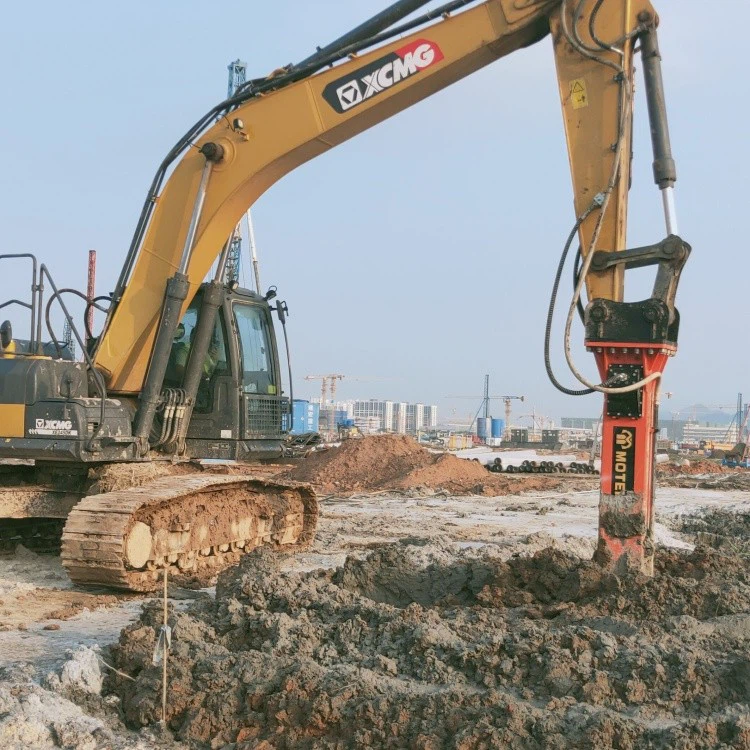

4. Mixing Mechanism
There are different types of mixing mechanisms used in soil mixing machines. One common type is the paddle - type mixer. Paddles are attached to a rotating shaft, and as the shaft turns, the paddles push and pull the soil, creating a mixing action. Paddle - type mixers are great for general - purpose soil mixing and can handle a wide range of soil types.
Another type is the auger - type mixer. Augers are spiral - shaped blades that move the soil in a helical pattern. Auger mixers are particularly effective for mixing cohesive soils and can provide a more intense mixing action compared to paddle mixers. They're often used in applications where a high - quality, well - blended soil mixture is required, such as in soil decontamination processes. You can learn more about Soil Decontamination on our website.
5. Mobility
Mobility is an important consideration, especially for construction sites where the machine might need to be moved around. Some soil mixing machines are mounted on wheels, making them easy to tow from one location to another. These mobile units are great for projects that require the mixer to be moved frequently, like road construction projects that span long distances.
Other machines are designed to be stationary. These are typically used in fixed - location facilities, such as soil treatment plants or large - scale construction yards. Stationary soil mixers can be larger and more powerful since they don't need to be designed for easy transportation.
6. Control System
The control system of a soil mixing machine is what allows the operator to manage the machine's functions. Most modern soil mixers come with user - friendly control panels. These panels can be used to adjust the mixing speed, start and stop the machine, and monitor important parameters like temperature and power consumption.
Some advanced soil mixing machines even have automated control systems. These systems can be programmed to follow a specific mixing recipe, ensuring consistent results every time. For example, the machine can automatically adjust the mixing speed and duration based on the type and amount of soil and additives being used.
7. Safety Features
Safety is always a top priority when it comes to operating heavy machinery. Soil mixing machines are no exception. They are equipped with a variety of safety features to protect the operator and those working around the machine.
One common safety feature is the emergency stop button. This button allows the operator to immediately shut down the machine in case of an emergency. Additionally, many soil mixers have safety guards around moving parts, such as the mixing shaft and paddles, to prevent accidental contact.
Some machines also have sensors that can detect abnormal operating conditions, such as overheating or excessive vibration. When these sensors detect a problem, they can automatically shut down the machine to prevent damage and ensure safety.
Types of Soil Mixing Machines
We offer a range of soil mixing machines to meet different project needs. One of our popular products is the Excavator Soil Mixer. This machine can be attached to an excavator, providing a versatile and efficient solution for on - site soil mixing. It's great for projects where you need to mix soil in different locations around the job site.
Our Power Mixer is another top - notch option. It's a high - powered, stationary mixer designed for large - scale soil mixing projects. With its robust construction and advanced mixing mechanism, it can handle even the toughest soil mixing tasks.
Conclusion
So, there you have it - the main technical specifications of soil mixing machines. Whether you're a contractor working on a large construction project or a landscaper looking for a reliable soil mixer for small jobs, understanding these specs will help you choose the right machine for your needs.
If you're interested in learning more about our soil mixing machines or have any questions about which machine would be best for your project, don't hesitate to reach out. We're here to help you find the perfect soil mixing solution. Let's start a conversation and see how we can work together to get your project off to a great start!
References
- Construction Machinery Handbook
- Soil Mechanics and Foundation Engineering textbooks





