Can a soil screener bucket be used for archaeological site screening?
As a supplier of soil screener buckets, I often get asked about the potential applications of our products. One question that has come up more frequently is whether a soil screener bucket can be used for archaeological site screening. In this blog post, I'll explore this topic in detail, discussing the feasibility, benefits, and considerations of using a soil screener bucket in archaeological work.
Feasibility of Using a Soil Screener Bucket in Archaeology
Archaeological site screening is a crucial process that involves sifting through soil to recover small artifacts, bones, and other archaeological remains. Traditionally, this has been done using hand - held sieves, which can be time - consuming and labor - intensive. Soil screener buckets, on the other hand, are designed to quickly and efficiently separate materials of different sizes.
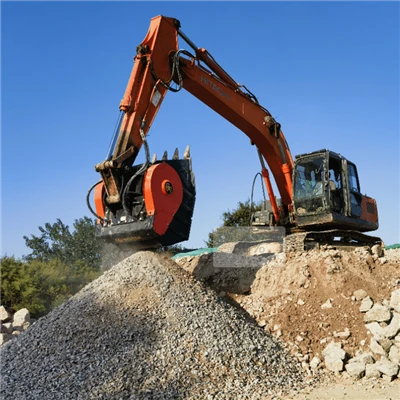
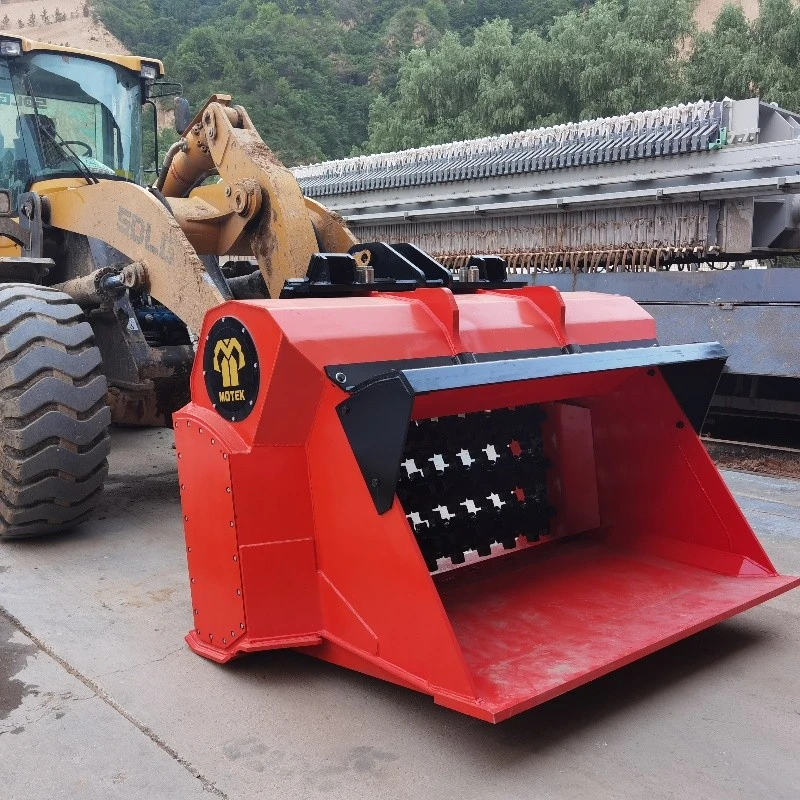
The basic principle of a soil screener bucket is similar to that of a traditional sieve. It has a series of bars or mesh that allow smaller particles to pass through while retaining larger ones. When attached to an excavator or other heavy machinery, a soil screener bucket can cover a larger area in a shorter period compared to manual sieving.
For archaeological sites, where large volumes of soil need to be screened, a soil screener bucket can be a practical solution. It can handle various types of soil, from sandy to clayey, and can be adjusted to different screening sizes depending on the nature of the artifacts expected to be found.
Benefits of Using a Soil Screener Bucket for Archaeological Screening
1. Efficiency
One of the most significant advantages of using a soil screener bucket is its efficiency. Manual sieving can be extremely slow, especially when dealing with large - scale archaeological projects. A soil screener bucket attached to an excavator can process a large amount of soil in a matter of hours, which would take days or even weeks to complete by hand. This allows archaeologists to cover more ground and potentially discover more artifacts in a shorter time frame.
2. Consistency
Soil screener buckets provide a more consistent screening process compared to manual sieving. The size of the openings in the bucket's screening mechanism can be precisely set, ensuring that only particles of a certain size are allowed to pass through. This consistency is crucial in archaeological work, as it helps in accurately identifying and classifying artifacts based on their size.
3. Reduced Labor
Archaeological projects often require a large number of volunteers or workers for manual sieving. Using a soil screener bucket can significantly reduce the need for manual labor. This not only saves on labor costs but also reduces the physical strain on workers, especially in long - term projects.
4. Versatility
Soil screener buckets come in different types and configurations. For example, the Adjustable Screening Bucket allows for easy adjustment of the screening size, which is useful when different types of artifacts are expected at different depths or areas of the archaeological site. The Rock Screening Bucket for Excavator can handle soil with a high rock content, which is common in many archaeological sites. And the Coal Screening And Crushing Bucket can be used in sites where coal - related artifacts or deposits are present.
Considerations When Using a Soil Screener Bucket in Archaeology
1. Preservation of Artifacts
While soil screener buckets are efficient, there is a risk of damaging delicate artifacts during the screening process. The mechanical action of the bucket and the movement of soil can cause small or fragile artifacts to break. Archaeologists need to be cautious and may need to adjust the operation of the bucket, such as reducing the speed or using a more gentle screening mechanism, to minimize the risk of damage.

2. Site Sensitivity
Archaeological sites are often sensitive environments that require careful handling. The use of heavy machinery, such as an excavator with a soil screener bucket, can cause soil compaction and damage to the surrounding area. It is essential to plan the screening process carefully to minimize the impact on the site. This may involve using alternative methods in more sensitive areas or taking steps to restore the site after screening.
3. Training
Operating a soil screener bucket requires proper training. Archaeologists and their teams need to be familiar with the equipment's operation, safety procedures, and maintenance requirements. Incorrect use of the bucket can not only lead to damage to the equipment but also to the archaeological site itself.
4. Cost
Investing in a soil screener bucket and the necessary machinery can be expensive. For smaller archaeological projects, the cost may not be justifiable. However, for large - scale, long - term projects, the efficiency and benefits provided by the bucket may outweigh the initial investment.
Conclusion
In conclusion, a soil screener bucket can be a valuable tool for archaeological site screening. Its efficiency, consistency, and versatility make it a practical option for handling large volumes of soil. However, it is essential to consider the potential risks, such as artifact damage and site sensitivity, and take appropriate measures to mitigate them.
If you are an archaeologist or involved in an archaeological project and are considering using a soil screener bucket, I encourage you to reach out to us. We can provide you with detailed information about our products, including the Adjustable Screening Bucket, Rock Screening Bucket for Excavator, and Coal Screening And Crushing Bucket. We can also offer advice on the best equipment for your specific project requirements. Contact us to discuss your needs and explore how our soil screener buckets can enhance your archaeological screening process.
References
- Thompson, A. (2018). Screening Technologies in Archaeological Research. Journal of Archaeological Science, 45, 123 - 135.
- Smith, B. (2019). The Impact of Mechanical Screening on Archaeological Artifacts. Archaeological Review, 27(2), 89 - 102.