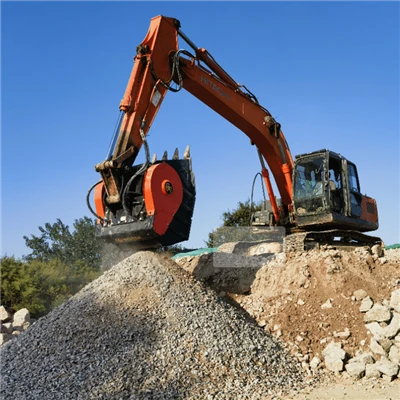
Hey there! As a supplier in the soil improvements business, I've seen firsthand the importance of having healthy and fertile soil. Whether you're a farmer looking to boost crop yields, a landscaper aiming for lush green lawns, or a construction company dealing with unstable ground, soil improvement is the name of the game. In this blog, I'm gonna share some of the common methods of soil improvements that we often recommend and provide solutions for.
1. Organic Matter Addition
One of the most basic and effective ways to improve soil is by adding organic matter. Organic matter, such as compost, manure, and leaf mold, does wonders for the soil. It helps to improve soil structure, making it more crumbly and easier for plant roots to penetrate. This also enhances the soil's water - holding capacity, so it can retain moisture better during dry spells.
Compost is like a magic potion for the soil. It's made from decomposed organic materials, like food scraps, yard waste, and manure. When you add compost to your soil, it enriches it with essential nutrients like nitrogen, phosphorus, and potassium. These nutrients are slowly released over time, providing a steady supply for plants. Manure, on the other hand, is a rich source of organic matter and nutrients. Cow manure, horse manure, and chicken manure are commonly used. But be careful, fresh manure can be too strong for plants, so it's better to let it age or compost it first.
Leaf mold is another great option. It's simply decomposed leaves. You can collect leaves in the fall, pile them up, and let nature do its work over time. Once the leaves have broken down into a dark, crumbly substance, you can spread it on your soil. It not only adds nutrients but also improves soil aeration.
2. Lime Application
If your soil is too acidic, adding lime can be a game - changer. Lime is a soil amendment that helps to raise the soil's pH level. Most plants prefer a slightly acidic to neutral soil pH, usually between 6.0 and 7.0. When the soil is too acidic, nutrients like phosphorus, calcium, and magnesium become less available to plants.
Lime comes in different forms, such as agricultural lime (calcium carbonate) and dolomitic lime (a combination of calcium carbonate and magnesium carbonate). The type of lime you choose depends on your soil's specific needs. Before applying lime, it's a good idea to test your soil to determine its current pH level. You can buy a soil testing kit at a garden center or send a soil sample to a professional laboratory for a more accurate analysis. Once you know how much lime your soil needs, you can spread it evenly over the soil surface and then till it in.
3. Soil Mixing
Soil mixing is a technique used to improve soil properties by blending different types of soil or adding additives. This can be especially useful in construction projects where the soil needs to be stabilized. For example, if you have a site with soft or loose soil, you can mix it with a more stable soil type or add stabilizing agents.
There are various tools available for soil mixing. One of them is the Soil Mixing Tool. This tool is designed to thoroughly mix the soil and any additives, ensuring a uniform distribution. It can be used in both small - scale and large - scale projects. Whether you're working on a backyard garden or a major construction site, a good soil mixing tool can make the job much easier and more effective.
4. Slurry Injection
Slurry injection is a method commonly used in soil improvement for construction and geotechnical applications. A slurry is a mixture of water, cement, and sometimes other additives. When injected into the soil, the slurry fills the voids between soil particles, increasing the soil's density and strength.
The Slurry Infrastructure Maker is a key piece of equipment in this process. It can create the right consistency of slurry and ensure that it's injected evenly into the soil. This method is often used to stabilize foundations, prevent soil settlement, and improve the load - bearing capacity of the soil. It's a precise and effective way to deal with soil problems in construction projects.
5. Biological Amendments
Biological amendments involve using living organisms to improve soil health. One of the most well - known biological amendments is the use of beneficial bacteria and fungi. These microorganisms can form symbiotic relationships with plant roots, helping them to absorb nutrients more efficiently.
Mycorrhizal fungi, for example, attach themselves to plant roots and extend their reach into the soil. They can access nutrients that are otherwise difficult for plants to obtain, such as phosphorus. By inoculating the soil with mycorrhizal fungi, you can enhance plant growth and health. There are also beneficial bacteria that can fix nitrogen from the air and make it available to plants. These bacteria can be added to the soil in the form of bio - fertilizers.
6. Mechanical Compaction
Mechanical compaction is a straightforward method of soil improvement. It involves using heavy machinery to compress the soil. This is often done in construction projects to increase the soil's density and strength. When the soil is compacted, the air spaces between soil particles are reduced, making the soil more stable.
There are different types of compaction equipment, such as rollers and compactors. The choice of equipment depends on the type of soil and the project requirements. For example, a vibratory roller is often used for compacting granular soils, while a pneumatic roller may be more suitable for cohesive soils.
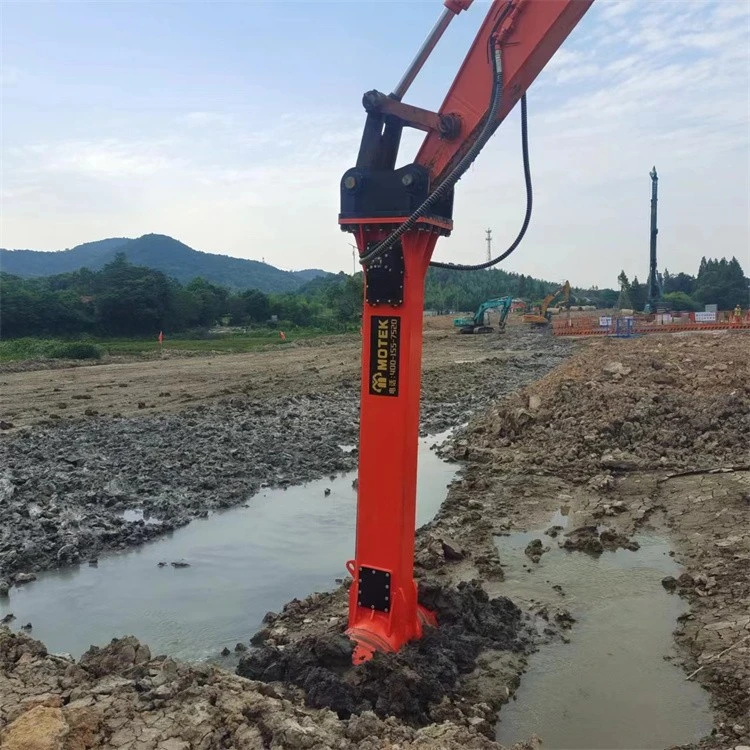

7. Using a Mixer
In some cases, you may need to mix different soil additives or create a custom soil blend. That's where a Mixer comes in handy. A good mixer can ensure that all the components are well - blended, resulting in a uniform and high - quality soil mixture. Whether you're mixing compost, lime, and soil together or creating a special slurry for soil injection, a reliable mixer can save you a lot of time and effort.
Why Choose Our Soil Improvement Solutions?
As a soil improvements supplier, we offer a wide range of products and services to meet your specific needs. Our products are of high quality and have been tested to ensure their effectiveness. We also have a team of experts who can provide you with professional advice on which soil improvement methods are best for your project.
Whether you're a small - scale gardener or a large construction company, we've got you covered. We understand that every soil is different, and we're committed to finding the right solutions for you. If you're interested in learning more about our products or have any questions about soil improvement, don't hesitate to get in touch with us. We're here to help you achieve the best results for your soil.
So, if you're looking to improve your soil, whether it's for better plant growth or more stable construction projects, give us a shout. We can discuss your requirements, provide you with a quote, and guide you through the entire process. Let's work together to make your soil the best it can be!
References
- Brady, N. C., & Weil, R. R. (2008). The Nature and Properties of Soils. Pearson Prentice Hall.
- Hillel, D. (2004). Introduction to Environmental Soil Physics. Academic Press.