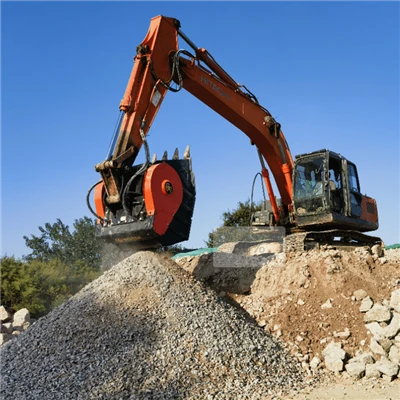
Hey there! As a supplier of Screening Buckets, I often get asked about how to calibrate these nifty tools. Calibrating a screening bucket is crucial to ensure it works at its best, giving you the most efficient screening performance. In this blog, I'll walk you through the process step by step.
First off, let's understand why calibration is so important. A well - calibrated screening bucket can separate materials more accurately, whether you're working with soil, gravel, or recycled materials. It helps in getting the right size of the screened material, which is super important for construction projects, landscaping, and waste recycling.
Before we start the calibration process, make sure you have the right tools on hand. You'll need a measuring tape, a set of wrenches, and a level. These tools will help you make precise adjustments to your screening bucket.
Step 1: Initial Inspection
The first thing you gotta do is give your screening bucket a thorough inspection. Check for any signs of wear and tear, like broken wires or loose bolts. If you find any issues, fix them right away. A damaged screening bucket won't perform well, no matter how well you calibrate it. You can find high - quality Screening Bucket for Digger on our website, which are built to last and minimize these initial problems.
Step 2: Set the Screening Angle
The screening angle is a key factor in how well your bucket screens materials. A steeper angle will make the material move through the bucket faster, while a shallower angle will give the material more time to be screened. To set the angle, use your level to make sure the bucket is at the correct incline. You can adjust the angle by loosening the bolts that hold the bucket in place and then tilting it to the desired angle. Once you're happy with the angle, tighten the bolts back up.
Step 3: Adjust the Screening Gap
The screening gap is the space between the screening elements. This gap determines the size of the material that will pass through the bucket. To adjust the gap, you'll need to use your wrenches. Loosen the nuts that hold the screening elements in place and then move them closer together or further apart, depending on the size of the material you want to screen. For example, if you're screening small gravel, you'll want a smaller gap. If you're working with larger rocks, a bigger gap is better. You can explore different options with our Bucket Screener, which offers adjustable screening gaps for various applications.


Step 4: Check the Rotation Speed
The rotation speed of the screening bucket also affects its performance. A faster rotation speed will make the material move through the bucket more quickly, but it might not screen the material as thoroughly. A slower speed will give the material more time to be screened, but it might take longer to process a large amount of material. You can usually adjust the rotation speed through the hydraulic system of your excavator. Start with a medium speed and then make adjustments based on how well the material is being screened.
Step 5: Test the Bucket
Once you've made all the adjustments, it's time to test the bucket. Fill the bucket with some of the material you'll be working with and start the screening process. Watch how the material moves through the bucket and check the size of the screened material. If the material isn't being screened correctly, go back and make further adjustments to the angle, gap, or rotation speed.
Step 6: Fine - Tuning
Calibration is often an iterative process. You might need to go back and make small adjustments several times to get the perfect performance. Pay close attention to the details, like how the material is flowing and if there are any clogs in the bucket. If you notice any issues, don't hesitate to make changes.
Step 7: Maintenance After Calibration
After you've calibrated your screening bucket, it's important to keep it well - maintained. Regularly clean the bucket to remove any debris that might be stuck in the screening elements. Check the bolts and nuts for tightness, and lubricate any moving parts as recommended by the manufacturer. This will ensure that your bucket continues to perform well over time.
If you're dealing with recycled materials, our Recycling Screening Bucket is a great option. It's designed specifically for recycling applications and can be calibrated to handle different types of recycled materials effectively.
Calibrating a screening bucket might seem a bit complicated at first, but once you get the hang of it, it becomes a straightforward process. By following these steps, you can ensure that your screening bucket is working at its best, saving you time and money in the long run.
If you're in the market for a new screening bucket or have any questions about calibration, feel free to reach out. We're here to help you make the most of your screening operations. Whether you're a small - scale landscaper or a large construction company, we have the right screening bucket for you. Contact us today to discuss your needs and start a great partnership!
References
- Manufacturer's manual for screening buckets
- Industry best practices for screening equipment calibration