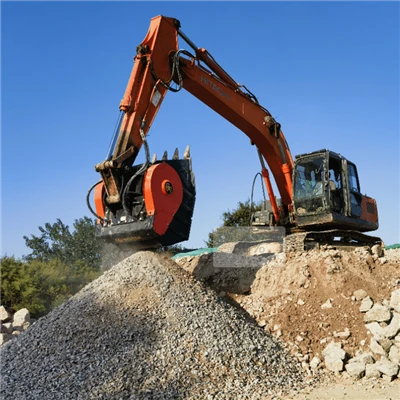
Transporting a screening bucket is a crucial process that requires careful planning and execution. As a screening bucket supplier, I understand the importance of ensuring that these valuable pieces of equipment reach their destination safely and in optimal condition. In this blog post, I will share some essential tips and guidelines on how to transport a screening bucket efficiently.
Understanding the Screening Bucket
Before diving into the transportation process, it's essential to have a clear understanding of the screening bucket itself. Screening buckets come in various sizes and designs, each tailored to specific applications. For instance, the Rock Screening Bucket for Excavator is designed to handle tough rock materials, while the Mineral Screening Bucket is more suitable for mineral processing. The Screening Buckets category offers a wide range of options to meet different customer needs.
Pre - Transport Preparation
Inspection
The first step in transporting a screening bucket is to conduct a thorough inspection. Check for any signs of damage, loose parts, or wear and tear. Ensure that all the screening elements, such as the mesh or bars, are intact. If any issues are found, address them before transportation to prevent further damage during transit.
Cleaning
Clean the screening bucket to remove any dirt, debris, or residual materials. A clean bucket not only looks better but also reduces the risk of corrosion and damage. Use appropriate cleaning agents and tools to ensure a thorough clean.
Disassembly (if necessary)
In some cases, it may be necessary to disassemble the screening bucket for easier transportation. This is especially true for larger or more complex models. Follow the manufacturer's instructions carefully when disassembling the bucket. Label all the parts clearly to ensure easy reassembly at the destination.
Securing Loose Parts
If there are any loose parts or components, secure them properly. This can be done using straps, bolts, or other suitable fasteners. Loose parts can cause damage to the bucket or other items during transportation.
Choosing the Right Transport Method
Road Transport
Road transport is one of the most common methods for transporting screening buckets. It offers flexibility and can reach most destinations. When choosing a road transport option, consider the size and weight of the screening bucket. For smaller buckets, a flat - bed truck or a trailer may be sufficient. Larger buckets may require a specialized heavy - haul truck.
Ensure that the truck or trailer has the appropriate loading capacity and is equipped with the necessary securing mechanisms, such as tie - down straps and chains. The driver should also be experienced in transporting heavy equipment.
Container Shipping
If the screening bucket needs to be transported over long distances, especially overseas, container shipping may be a viable option. Containers provide protection from the elements and can be easily transferred between different modes of transport, such as ships and trucks.
When using container shipping, choose the right container size based on the dimensions of the screening bucket. Secure the bucket inside the container to prevent movement during transit.
Rail Transport
Rail transport can be a cost - effective option for transporting screening buckets over long distances within a country. It is also more environmentally friendly compared to road transport. However, rail transport may have some limitations in terms of accessibility to certain destinations.
If choosing rail transport, work with a reliable rail freight provider. Ensure that the bucket is properly loaded onto the railcar and secured to prevent damage.
Loading and Securing the Screening Bucket
Loading
When loading the screening bucket onto the transport vehicle, use appropriate lifting equipment, such as a crane or a forklift. Ensure that the lifting points on the bucket are correctly identified and used. The bucket should be lifted and placed on the vehicle in a stable and balanced manner.
Securing
Once the screening bucket is loaded, it must be secured properly. Use high - quality tie - down straps, chains, or ropes to fasten the bucket to the transport vehicle. The securing points should be strong and well - distributed to prevent the bucket from shifting during transit.
For example, if using tie - down straps, make sure they are tightened to the appropriate tension. Check the straps regularly during the journey to ensure they remain secure.
During Transport
Monitoring
During transport, it is important to monitor the condition of the screening bucket. If possible, use tracking devices to keep an eye on the location and movement of the transport vehicle. This can help in case of any unexpected delays or issues.
Weather Considerations
Be aware of the weather conditions during transport. If there is a risk of rain, snow, or extreme temperatures, take appropriate measures to protect the screening bucket. For example, cover the bucket with a waterproof tarp if necessary.


Unloading and Reassembly
Unloading
At the destination, use the same care and caution when unloading the screening bucket as when loading. Follow the proper safety procedures and use the appropriate lifting equipment.
Reassembly
If the bucket was disassembled for transportation, reassemble it according to the manufacturer's instructions. Check all the connections and fasteners to ensure they are tightened correctly.
Conclusion
Transporting a screening bucket requires a combination of careful planning, proper preparation, and the right transport method. By following the tips and guidelines outlined in this blog post, you can ensure that your screening bucket reaches its destination safely and in good condition.
If you are interested in purchasing a screening bucket or have any questions about transportation or our products, feel free to contact us. We are here to assist you with all your screening bucket needs and can provide you with more detailed information on the transportation process.
References
- Manufacturer's manuals for screening buckets
- Industry standards for transporting heavy equipment
- Guidelines from transport providers