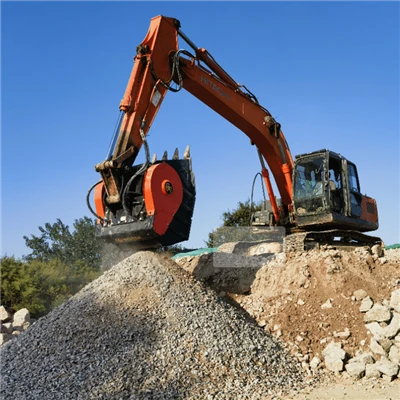
As a leading supplier of Excavator Jaw Crushers, I've witnessed firsthand the transformative impact these machines have on the construction and mining industries. One of the most critical components of an Excavator Jaw Crusher is the flywheel, a seemingly simple yet incredibly powerful part that plays a pivotal role in the crusher's operation. In this blog post, I'll delve into the function of the flywheel in an Excavator Jaw Crusher, exploring its importance and how it contributes to the overall efficiency and performance of the machine.
Understanding the Basics of an Excavator Jaw Crusher
Before we dive into the role of the flywheel, let's briefly review how an Excavator Jaw Crusher works. These crushers are designed to break down large rocks and other materials into smaller, more manageable pieces. They consist of a fixed jaw and a movable jaw, which are arranged in a V-shaped configuration. As the movable jaw moves back and forth against the fixed jaw, it compresses the material, causing it to break into smaller fragments.
The power to drive the movable jaw comes from an engine, typically a diesel engine, which is connected to the crusher through a series of belts and pulleys. The engine provides the necessary torque to operate the crusher, but it's the flywheel that helps to smooth out the power delivery and ensure a consistent crushing action.


The Function of the Flywheel
The flywheel is a large, heavy wheel that is mounted on the crusher's shaft. It serves several important functions, all of which contribute to the efficient operation of the Excavator Jaw Crusher.
Energy Storage
One of the primary functions of the flywheel is to store energy. When the crusher is in operation, the engine provides power to the flywheel, causing it to rotate. As the flywheel rotates, it stores kinetic energy, which is then released when the crusher needs an extra boost of power. This is particularly important during the crushing process, when the crusher encounters hard or stubborn materials that require more force to break down.
By storing energy in the flywheel, the crusher can maintain a consistent crushing force, even when the engine is not providing enough power on its own. This helps to prevent the crusher from stalling or slowing down, ensuring that the crushing process continues smoothly and efficiently.
Power Smoothing
In addition to storing energy, the flywheel also helps to smooth out the power delivery from the engine. The engine produces a pulsating power output, which can cause the crusher to vibrate and shake. This not only reduces the efficiency of the crusher but also increases the wear and tear on the machine's components.
The flywheel acts as a buffer, absorbing the pulsations from the engine and providing a more consistent power output to the crusher. This helps to reduce vibration and noise, making the crusher more comfortable to operate and extending the lifespan of its components.
Inertia
Another important function of the flywheel is to provide inertia. Inertia is the tendency of an object to resist changes in its motion. When the crusher is in operation, the flywheel rotates at a high speed, creating a large amount of inertia. This inertia helps to keep the crusher moving smoothly, even when it encounters sudden changes in load or resistance.
For example, when the crusher is crushing a large rock, the load on the machine increases suddenly. Without the flywheel, the crusher would slow down or even stop, as the engine would not be able to provide enough power to overcome the increased load. However, the flywheel's inertia helps to keep the crusher moving, allowing it to continue crushing the rock without interruption.
The Importance of the Flywheel in Excavator Jaw Crushers
The flywheel is a critical component of an Excavator Jaw Crusher, and its importance cannot be overstated. Without a properly functioning flywheel, the crusher would not be able to operate efficiently or effectively. Here are some of the key benefits of having a high-quality flywheel in your Excavator Jaw Crusher:
Increased Efficiency
By storing energy and smoothing out the power delivery, the flywheel helps to increase the efficiency of the crusher. This means that the crusher can process more material in less time, reducing the overall cost of production.
Improved Performance
The flywheel's inertia helps to keep the crusher moving smoothly, even when it encounters sudden changes in load or resistance. This improves the crusher's performance and reduces the risk of downtime due to mechanical failures.
Extended Lifespan
The flywheel helps to reduce vibration and noise, which in turn reduces the wear and tear on the crusher's components. This extends the lifespan of the machine, reducing the need for frequent repairs and replacements.
Choosing the Right Flywheel for Your Excavator Jaw Crusher
When choosing a flywheel for your Excavator Jaw Crusher, it's important to consider several factors, including the size and weight of the flywheel, the material it's made from, and the type of crusher you have.
Size and Weight
The size and weight of the flywheel will depend on the size and power of your crusher. A larger, heavier flywheel will provide more energy storage and inertia, but it will also require more power to rotate. It's important to choose a flywheel that is the right size and weight for your crusher to ensure optimal performance.
Material
The flywheel is typically made from cast iron or steel. Cast iron flywheels are less expensive and easier to manufacture, but they are also heavier and more prone to cracking. Steel flywheels are lighter and stronger, but they are also more expensive. It's important to choose a flywheel that is made from a high-quality material to ensure durability and reliability.
Type of Crusher
The type of crusher you have will also affect the type of flywheel you need. Some crushers require a specific type of flywheel, while others can use a more generic design. It's important to consult with the manufacturer of your crusher to determine the best flywheel for your specific application.
Conclusion
In conclusion, the flywheel is a critical component of an Excavator Jaw Crusher, playing a vital role in the machine's operation. By storing energy, smoothing out the power delivery, and providing inertia, the flywheel helps to increase the efficiency, performance, and lifespan of the crusher. When choosing a flywheel for your Excavator Jaw Crusher, it's important to consider several factors, including the size and weight of the flywheel, the material it's made from, and the type of crusher you have.
If you're in the market for an Excavator Jaw Crusher or need a replacement flywheel for your existing crusher, I encourage you to contact us. As a leading supplier of Excavator Jaw Crushers and related components, we have the expertise and experience to help you find the right solution for your needs. Whether you're looking for a Jaw Bucket or a Crusher Bucket Attachment, we can provide you with high-quality products and exceptional customer service.
References
- Manufacturer's manuals for Excavator Jaw Crushers
- Industry research on crusher components and performance
- Technical papers on the function of flywheels in heavy machinery