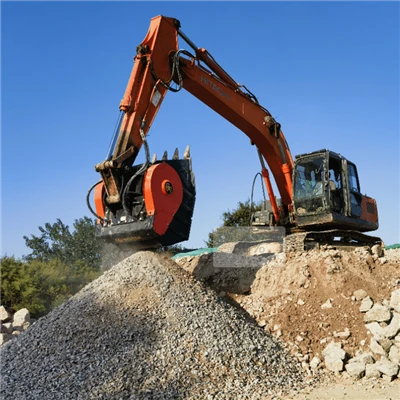
Evaluating the mixing quality of soil mixing equipment is a crucial task for anyone involved in construction, environmental remediation, or other industries where homogeneous soil mixtures are essential. As a soil mixing equipment supplier, I understand the significance of ensuring that our products deliver high - quality mixing results. In this blog, I will share some key methods and considerations for evaluating the mixing quality of soil mixing equipment.
1. Visual Inspection
One of the simplest and most immediate ways to assess the mixing quality is through visual inspection. After the mixing process is complete, take a sample of the mixed soil from different parts of the mixing area. A well - mixed soil should have a uniform color and texture throughout the sample. If there are visible clumps, streaks, or areas of different colors, it indicates that the mixing is not uniform.
For example, in a project where soil is being mixed with additives for soil improvement, if you can see distinct pockets of the additive or unmixed soil, it means the equipment is not effectively distributing the materials. However, visual inspection has its limitations. It can only provide a rough estimate of the mixing quality and may not detect minor variations in the distribution of components at a microscopic level.
2. Particle Size Analysis
Particle size is an important factor in soil mixtures. A good soil mixing equipment should be able to break down large soil particles and distribute them evenly with other materials. To evaluate this aspect, you can perform a particle size analysis on the mixed soil.
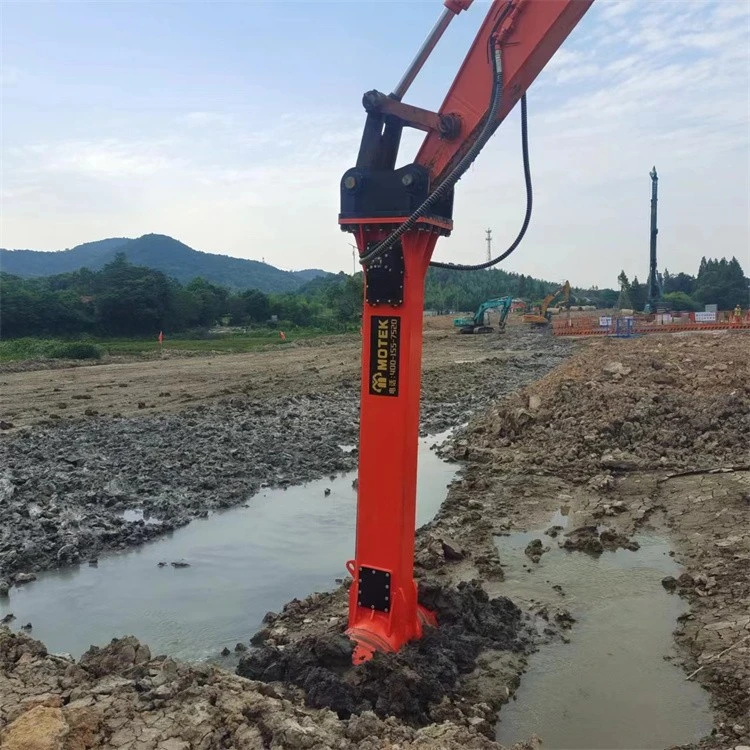

There are several methods for particle size analysis, such as sieve analysis and sedimentation analysis. Sieve analysis involves passing the soil sample through a series of sieves with different mesh sizes. By weighing the amount of soil retained on each sieve, you can determine the particle size distribution. A well - mixed soil should have a more consistent particle size distribution compared to the initial, unmixed soil.
For instance, if you are using a Mixer to mix cohesive soil with granular materials, the particle size analysis can show whether the cohesive soil has been effectively broken down and integrated with the granular particles.
3. Chemical Analysis
In many cases, soil mixing involves adding chemical additives to the soil for various purposes, such as soil stabilization or contamination remediation. Chemical analysis can help you determine whether these additives are evenly distributed in the soil.
You can take samples from different locations within the mixed soil and analyze them for the concentration of the additives. For example, if you are adding lime to the soil for stabilization, you can measure the calcium oxide content in the samples. A consistent concentration of the additive across all samples indicates good mixing quality.
However, chemical analysis can be time - consuming and expensive. It also requires specialized equipment and trained personnel. But it provides a more accurate assessment of the mixing quality, especially when dealing with chemical - based soil improvement processes like Soil Improvement for Construction.
4. Compaction Testing
Compaction is an important property of soil mixtures, especially in construction projects. A well - mixed soil should have consistent compaction characteristics throughout the mixture. You can conduct compaction tests, such as the Proctor compaction test, on samples taken from different parts of the mixed soil.
The Proctor compaction test measures the maximum dry density and the optimum moisture content of the soil. If the compaction results vary significantly between samples, it may indicate poor mixing quality. For example, if some areas of the mixed soil have a higher dry density and lower moisture content compared to others, it means that the materials are not evenly distributed, and the compaction process may be affected.
5. Strength Testing
The strength of the mixed soil is another important indicator of mixing quality. In construction projects, the strength of the soil foundation is crucial for the stability of the structures built on it. You can perform strength tests, such as unconfined compression tests or triaxial tests, on the mixed soil samples.
A well - mixed soil should have consistent strength properties across different samples. If there are significant variations in strength, it may be due to uneven mixing of the components. For example, if you are using an Excavator Soil Mixer to mix soil with cement for a road base, inconsistent strength in the samples may lead to uneven settlement and cracking of the road surface.
6. Considerations for Equipment - Specific Evaluation
When evaluating the mixing quality, it is also important to consider the specific features and limitations of the soil mixing equipment. Different types of equipment, such as batch mixers and continuous mixers, have different mixing mechanisms and performance characteristics.
- Batch Mixers: These mixers operate in batches, where a specific amount of soil and additives are loaded into the mixer, mixed for a set period, and then discharged. To evaluate the mixing quality of batch mixers, you can focus on the mixing time. If the mixing time is too short, the materials may not be fully mixed. You can also check the mixer's agitator design. A well - designed agitator should be able to create a turbulent flow within the mixer, ensuring thorough mixing of the materials.
- Continuous Mixers: Continuous mixers are designed to continuously feed soil and additives into the mixer and discharge the mixed soil at a constant rate. For continuous mixers, the feed rate is a critical factor. If the feed rate is not properly adjusted, it can lead to uneven mixing. You should also monitor the residence time of the materials in the mixer. A sufficient residence time is necessary for complete mixing.
7. Real - World Performance Evaluation
In addition to laboratory tests, real - world performance evaluation is also essential. You can observe the performance of the mixed soil in actual construction projects. For example, if the soil is used for a building foundation, you can monitor the settlement of the building over time. If there are signs of uneven settlement, it may indicate poor mixing quality.
You can also collect feedback from the construction workers. They can provide valuable insights into the workability of the mixed soil, such as its ease of spreading and compaction. If the workers report difficulties in handling the mixed soil, it may be a sign of poor mixing.
Conclusion
Evaluating the mixing quality of soil mixing equipment is a multi - faceted process that involves a combination of visual inspection, laboratory tests, and real - world performance evaluation. By using these methods, you can ensure that the soil mixing equipment is delivering high - quality mixing results, which is essential for the success of construction and environmental remediation projects.
If you are in the market for high - quality soil mixing equipment, we are here to help. Our products are designed to provide efficient and thorough mixing, ensuring that you achieve the best possible results in your projects. Contact us to discuss your specific requirements and start a procurement negotiation. We look forward to working with you to meet your soil mixing needs.
References
- ASTM International. (20XX). Standard test methods for soil and rock properties.
- Holtz, R. D., & Kovacs, W. D. (1981). An introduction to geotechnical engineering. Prentice - Hall.
- Lambe, T. W., & Whitman, R. V. (1969). Soil mechanics. Wiley.