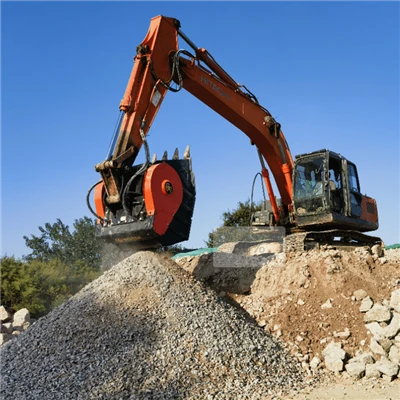
Hey there! I'm a supplier of Soil Mixing Heads, and today I wanna chat about how the design of a soil mixing head can really affect its performance. It's a topic that's super important in our industry, and understanding it can make a huge difference in getting the best results for soil - related projects.
First off, let's talk about the shape of the soil mixing head. The shape can have a major impact on how well it mixes the soil. A common design is the paddle - shaped mixing head. These paddles are great because they can create a large amount of turbulence in the soil. When the mixing head rotates, the paddles push and pull the soil in different directions, breaking up clumps and ensuring that any additives, like binders or stabilizers, are evenly distributed.
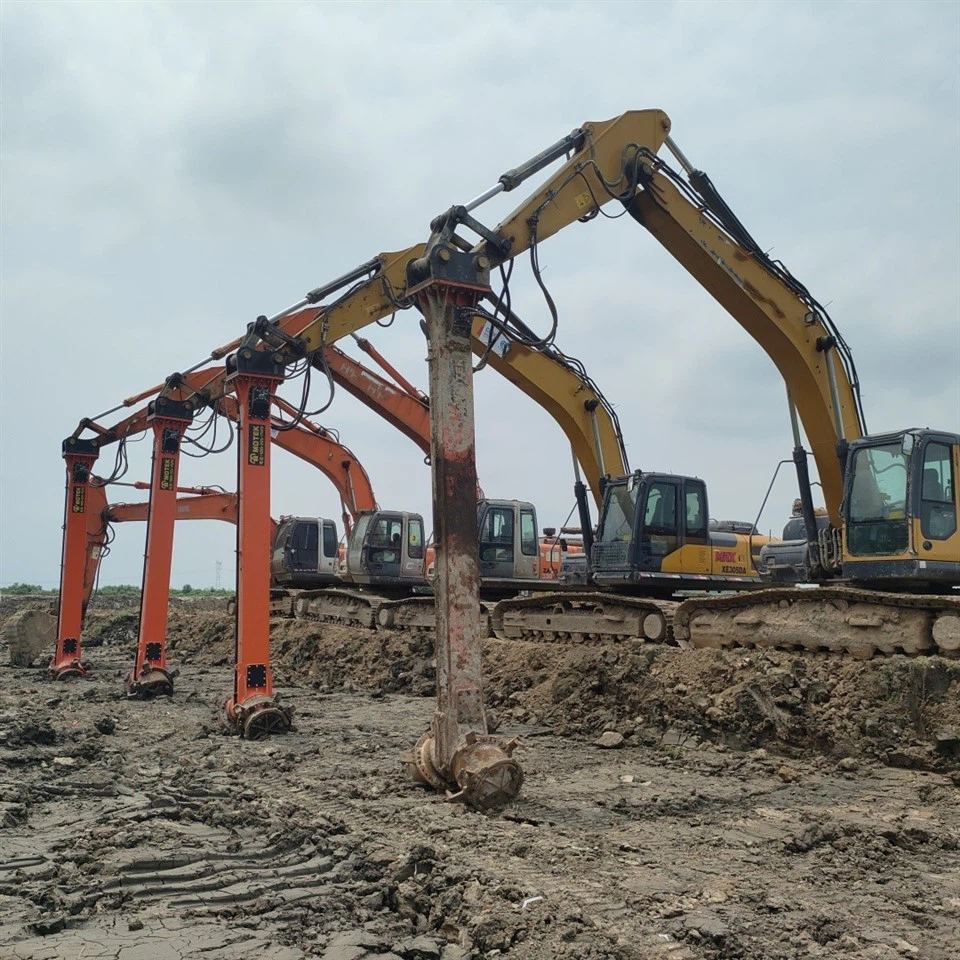

For example, in a Soil Remediation project, where you're trying to remove contaminants from the soil, a paddle - shaped mixing head can help disperse the remediation agents more effectively. The turbulence created by the paddles allows the agents to reach every corner of the soil mass, increasing the chances of successful contamination removal.
On the other hand, there are also blade - shaped mixing heads. These are often used when you need a more precise mixing action. The blades can cut through the soil more cleanly, which is useful in situations where the soil has a high density or contains a lot of large particles. In Soil Improvement for Construction projects, blade - shaped mixing heads can be used to break up hard soil layers and incorporate additives to improve the soil's load - bearing capacity.
Another aspect of design is the size of the soil mixing head. A larger mixing head can cover a greater area in one pass, which can significantly speed up the mixing process. However, it also requires more power to operate. If your equipment can handle the extra load, a larger mixing head can be a great choice, especially for large - scale projects.
Conversely, a smaller mixing head is more maneuverable. It can be used in tight spaces where a larger head wouldn't fit. For instance, in urban construction sites where there are limited areas for soil mixing, a smaller mixing head can get the job done without causing too much disruption.
The number of mixing elements on the head also matters. More mixing elements, like multiple paddles or blades, generally mean more thorough mixing. But it's a balance. Too many elements can increase the resistance and make the mixing head harder to turn. This not only requires more power but can also lead to more wear and tear on the equipment.
In a Soil Improvement Products application, if you're using a mixing head to blend in products like lime or cement to improve the soil's properties, having the right number of mixing elements is crucial. You want to make sure that these products are mixed evenly throughout the soil, but you don't want to over - complicate the design and end up with a less efficient mixing head.
The material of the mixing head is another key design factor. Durable materials like high - strength steel are often used because they can withstand the abrasive nature of soil. The soil can be very rough on the mixing head, especially if it contains a lot of sand or gravel. Using a strong material ensures that the mixing head lasts longer and maintains its performance over time.
However, the choice of material can also affect the weight of the mixing head. A heavier mixing head might be more stable during operation, but it can also put more strain on the equipment. On the other hand, a lighter material might reduce the strain but could be less durable.
The angle of the mixing elements is yet another design consideration. The angle at which the paddles or blades are set can determine the direction and force of the soil movement. For example, if the mixing elements are set at a steeper angle, they can push the soil deeper into the ground, which can be useful for deep - mixing applications. A shallower angle might be better for surface - level mixing.
Now, let's talk about how these design features interact to affect the overall performance of the soil mixing head. In a real - world scenario, say you're working on a soil improvement project. You need to consider all these factors together. If you choose a large, paddle - shaped mixing head with a lot of elements, it can do a great job of quickly and thoroughly mixing the soil on a large - scale site. But if the soil is very hard and dense, you might find that the large head struggles to penetrate and mix effectively. In this case, a smaller, blade - shaped head with a steeper angle of elements might be a better option.
The flow path of the additives within the mixing head is also an important design aspect. A well - designed mixing head should have a smooth flow path for the additives to enter and mix with the soil. If the flow path is blocked or restricted, the additives won't be distributed evenly, and the mixing performance will suffer. This is especially important in projects where precise amounts of additives need to be incorporated into the soil, like in soil stabilization projects.
In conclusion, the design of a soil mixing head plays a vital role in its performance. Every aspect, from the shape and size to the material and the angle of the mixing elements, needs to be carefully considered based on the specific requirements of the project. Whether you're involved in Soil Remediation, Soil Improvement Products, or Soil Improvement for Construction, choosing the right soil mixing head can make all the difference in achieving the best results.
If you're in the market for a soil mixing head and want to discuss your project requirements, I'd love to have a chat. We can figure out the perfect design for your specific needs and ensure that you get a high - performing soil mixing head. Reach out to us, and let's start the conversation about how we can make your soil project a success!
References
- Geotechnical Engineering textbooks on soil mixing and stabilization
- Industry reports on soil mixing head design and performance