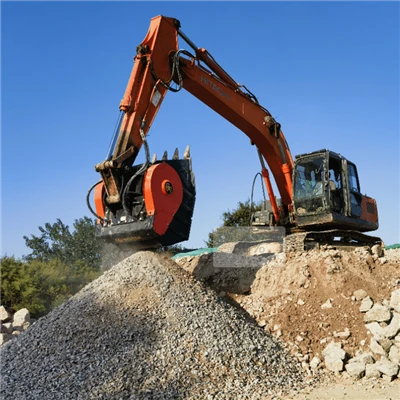
Hey there! As a supplier of Screening Buckets, I've seen firsthand how different factors can affect the performance of these nifty tools. One aspect that often gets overlooked but has a significant impact on screening efficiency is the bucket's angle. In this blog, I'm gonna dive into what that impact is and why it matters.
Let's start with the basics. A screening bucket is a great attachment for diggers that can sift through materials like soil, gravel, and even minerals. It's a real time - saver on construction sites, landscaping projects, and mining operations. You can check out our Screening Bucket for Digger on our website, which is designed to work smoothly with various digger models.
Now, the angle of the screening bucket plays a crucial role in how well it can separate different sized particles. When the bucket is at the right angle, it allows the material to move freely through the screening bars or meshes. If the angle is too shallow, the material might not flow properly. It could pile up on top of the screening surface, and only a small amount of it will actually get screened. This means you'll have to run the process multiple times to get the desired result, which is a huge waste of time and energy.
On the other hand, if the angle is too steep, the material might pass through the screening area too quickly. Larger particles that should be retained might end up getting mixed with the smaller ones that are supposed to pass through. This defeats the whole purpose of screening, as you won't get a clean separation of different sized materials.
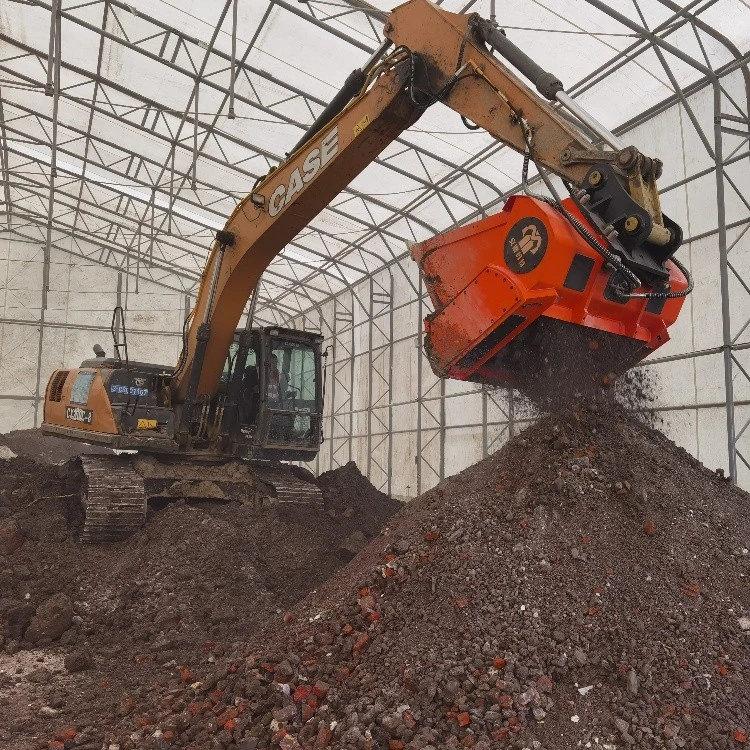
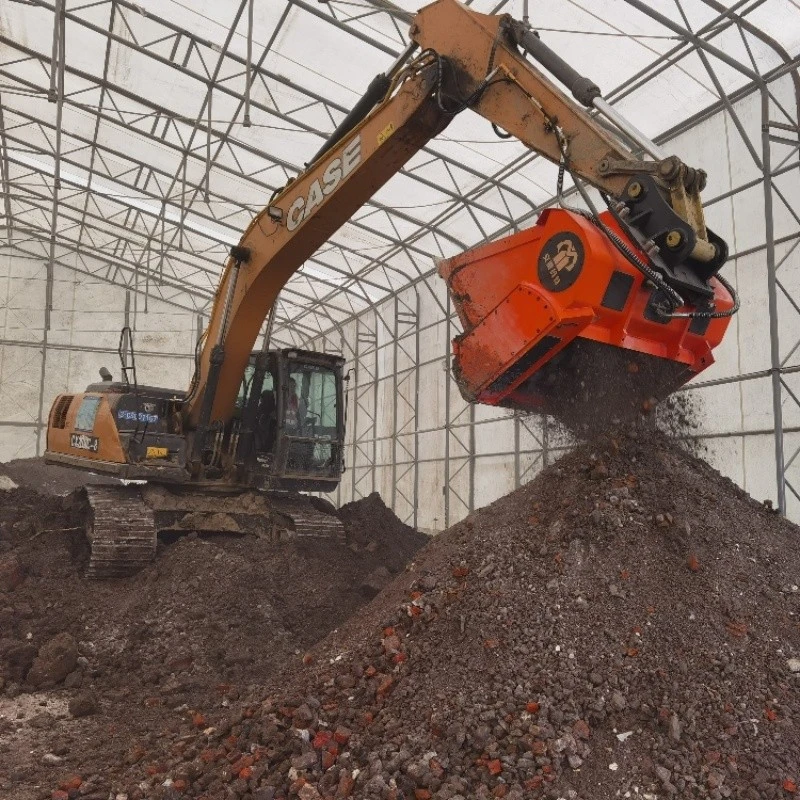
Let's talk about some real - world scenarios. In a landscaping project, you might be using a Topsoil Screening Bucket to sift through topsoil and remove rocks, roots, and other debris. If the bucket angle is incorrect, you could end up with topsoil that still has a lot of unwanted stuff in it. This can cause problems later on when you're trying to plant grass or flowers, as the debris can interfere with root growth.
In a mining operation, a Mineral Screening Bucket is used to separate valuable minerals from the rest of the ore. If the angle isn't right, you might lose out on some of the valuable minerals. They could be washed away with the waste material, leading to a loss of profit for the mining company.
So, how do you find the optimal angle for your screening bucket? Well, it depends on a few factors. The type of material you're screening is a big one. For example, if you're screening a very fine - grained material like sand, you might need a shallower angle compared to when you're screening a coarser material like gravel. The moisture content of the material also matters. Wet materials tend to stick together more, so you might need to adjust the angle to ensure proper flow.
Another thing to consider is the size of the screening openings. If the openings are small, you might need a more gradual angle to give the material enough time to pass through. Larger openings can handle a steeper angle as the material can move through more easily.
We've done a lot of testing in our R & D department to figure out the best angles for different types of screening buckets and materials. We've found that for most general - purpose screening, an angle between 15 and 30 degrees works pretty well. But again, this can vary depending on the specific situation.
One of the great things about our screening buckets is that they're adjustable. You can easily change the angle of the bucket to suit the material you're working with. This gives you a lot of flexibility and ensures that you can always achieve the best screening efficiency possible.
If you're in the market for a screening bucket, it's important to choose one that's not only high - quality but also allows for easy angle adjustment. Our screening buckets are designed with the latest technology to make the screening process as efficient as possible. Whether you're a small - scale landscaper or a large - scale mining company, we've got a screening bucket that will meet your needs.
We also offer great customer support. Our team of experts is always ready to help you with any questions you might have about using the screening bucket, including finding the optimal angle. We can provide you with tips and tricks based on our years of experience in the industry.
So, if you're looking to improve your screening efficiency and get the most out of your material separation process, don't overlook the importance of the bucket's angle. It can make a huge difference in how well your screening bucket performs. And if you're interested in purchasing a screening bucket, we'd love to hear from you. Just reach out to us, and we'll be happy to discuss your requirements and help you find the perfect screening bucket for your project.
In conclusion, the angle of the screening bucket is a key factor in determining screening efficiency. By understanding how the angle affects the flow of material and adjusting it accordingly, you can save time, money, and get better results. Whether you're working on a small landscaping job or a large - scale industrial project, our screening buckets are designed to give you the best performance possible. So, don't hesitate to contact us if you're interested in learning more or making a purchase.
References
- Industry reports on screening equipment performance
- In - house research and development data on screening bucket angles