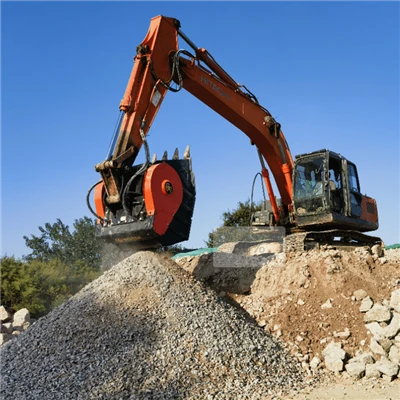
Mass soil mixing, a technique that involves blending in - situ soil with various binders or additives, has gained significant attention in the field of geotechnical engineering. As a supplier of mass soil mixing solutions, I often get asked whether this method can be effectively used in road construction. In this blog, we'll explore the viability, advantages, and potential challenges of using mass soil mixing in road building projects.
The Basics of Mass Soil Mixing
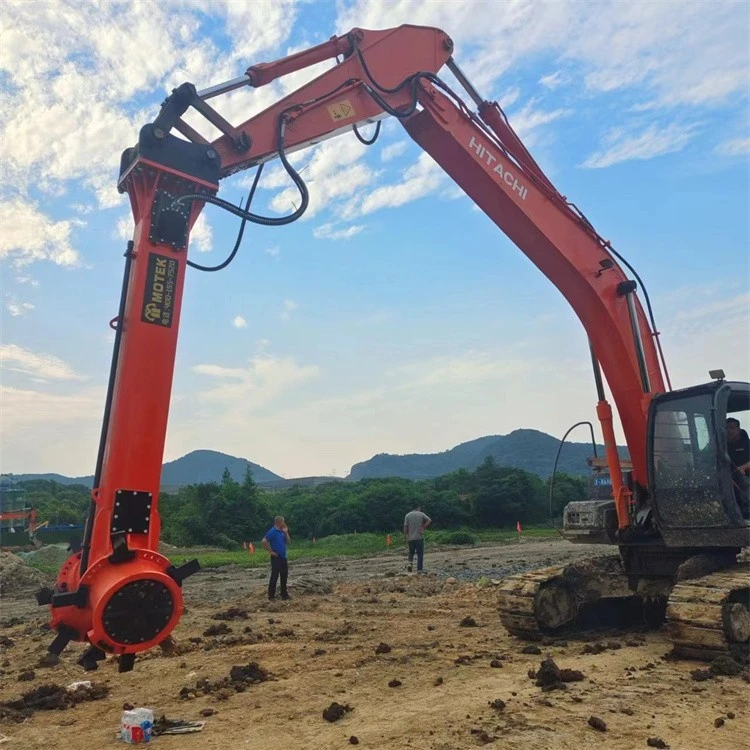
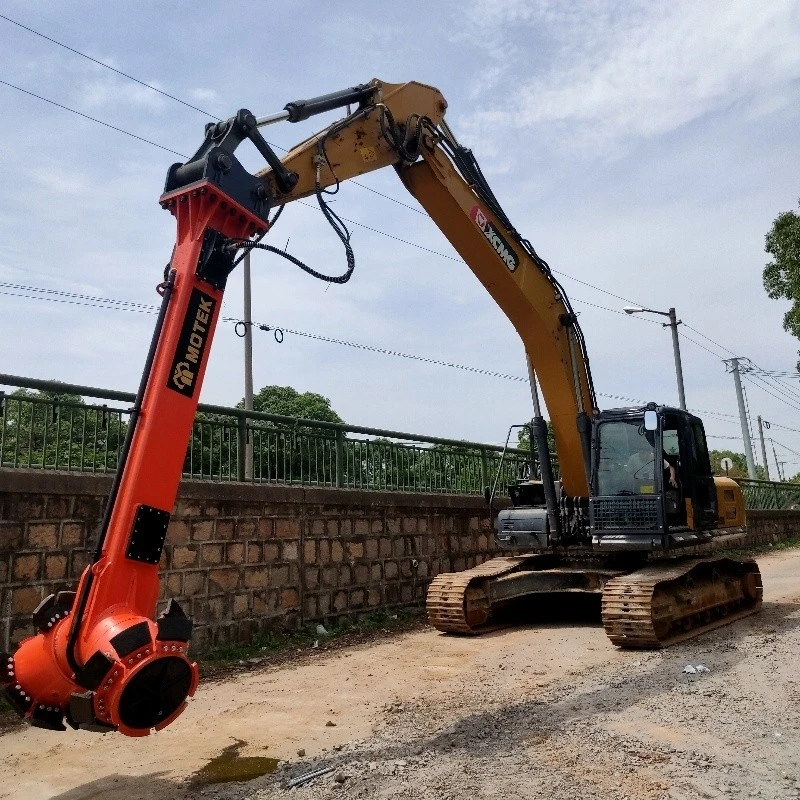
Mass soil mixing is a ground improvement method where binders such as cement, lime, or fly - ash are introduced into the soil and thoroughly mixed. The process can be carried out using specialized equipment, such as the Soil Mixing Machine. These machines are designed to cut through the soil, break it up, and ensure a homogeneous mixture of the soil and the binder.
The purpose of mass soil mixing is to enhance the engineering properties of the soil, including its strength, stiffness, and durability. By altering these properties, the soil can better support the loads imposed by structures, such as roads.
Suitability for Road Construction
Subgrade Improvement
One of the primary applications of mass soil mixing in road construction is subgrade improvement. The subgrade is the foundation layer of a road, and its stability is crucial for the long - term performance of the pavement. In many cases, the natural soil at a construction site may not have the required strength and stiffness to support the traffic loads.
Mass soil mixing can be used to treat the subgrade soil, increasing its bearing capacity and reducing the potential for settlement. For example, by adding cement to soft clayey soil, the soil's shear strength can be significantly improved. This results in a more stable subgrade, which can better resist the stresses caused by vehicle traffic.
Pavement Base Construction
Mass soil mixing can also be employed in the construction of the pavement base. The base layer provides additional support to the pavement surface and helps to distribute the traffic loads evenly. Using mass soil mixing to create a stabilized base layer can offer several benefits.
A well - mixed soil - binder base layer can have improved resistance to moisture, which is particularly important in areas with high rainfall or fluctuating water tables. Additionally, the use of locally available soil in the base layer can reduce the need for importing large quantities of aggregate materials, resulting in cost savings.
Advantages of Mass Soil Mixing in Road Construction
Cost - Effectiveness
One of the most significant advantages of using mass soil mixing in road construction is cost - effectiveness. Since the technique often uses locally available soil, there is a reduced need for transporting large amounts of imported materials. This not only saves on material costs but also reduces the carbon footprint associated with transportation.
Furthermore, the equipment used for mass soil mixing can be relatively efficient, allowing for faster construction times. Faster construction means less disruption to traffic and potentially lower overall project costs.
Environmental Benefits
Mass soil mixing offers several environmental benefits. By using in - situ soil, there is less excavation and disposal of native soil, which helps to preserve the natural landscape. Additionally, the use of binders such as fly - ash, a by - product of coal - fired power plants, can provide a sustainable solution for soil stabilization. This reduces the amount of waste that would otherwise end up in landfills.
The process can also contribute to Soil Decontamination in some cases. Certain binders can react with contaminants in the soil, immobilizing them and reducing their mobility. This is particularly useful in areas where the soil has been contaminated by industrial activities.
Improved Performance
Roads constructed using mass soil mixing techniques often exhibit improved performance. The enhanced strength and stiffness of the treated soil result in a more durable pavement that is less prone to cracking, rutting, and other forms of distress. This leads to a longer service life for the road, reducing the need for frequent repairs and maintenance.
Challenges and Considerations
Soil Variability
One of the main challenges in using mass soil mixing in road construction is soil variability. The properties of the natural soil can vary significantly within a construction site, which can affect the effectiveness of the soil mixing process. For example, the moisture content, particle size distribution, and clay mineralogy of the soil can all influence the performance of the soil - binder mixture.
To overcome this challenge, thorough soil testing should be carried out before the start of the project. This will help to determine the appropriate binder type and dosage for different soil zones. Additionally, real - time monitoring during the mixing process can ensure that the desired soil - binder ratio is maintained.
Equipment and Expertise
The successful implementation of mass soil mixing requires specialized equipment and trained personnel. The Soil Mixing Head is a critical component of the mixing equipment, and its design and operation can have a significant impact on the quality of the mixture.
Contractors need to have the necessary expertise to operate the equipment effectively and to troubleshoot any issues that may arise during the construction process. This may require additional training and certification for the construction team.
Regulatory Compliance
There are often regulatory requirements associated with the use of binders and additives in soil mixing. For example, the use of certain chemicals in soil treatment may be subject to environmental regulations. Contractors need to ensure that they comply with all relevant regulations to avoid any legal issues.
Case Studies
Several successful road construction projects have demonstrated the effectiveness of mass soil mixing. For instance, in a project in a coastal area with soft clay soil, mass soil mixing was used to improve the subgrade. By adding lime to the clay soil, the subgrade's bearing capacity was increased by over 50%. This allowed for the construction of a durable road without the need for extensive foundation work.
In another project, mass soil mixing was used to create a stabilized base layer for a rural road. The use of locally available soil and fly - ash as a binder resulted in cost savings of approximately 30% compared to traditional base layer construction methods. The road has performed well over several years, with minimal signs of distress.
Conclusion
In conclusion, mass soil mixing can be a viable and beneficial technique for road construction. It offers cost - effective, environmentally friendly, and performance - enhancing solutions for subgrade improvement and pavement base construction. However, it is essential to address the challenges associated with soil variability, equipment operation, and regulatory compliance.
As a supplier of mass soil mixing solutions, we have the expertise and equipment to support your road construction projects. Whether you are looking to improve the subgrade of a new road or construct a stabilized pavement base, we can provide you with the right solutions. If you are interested in learning more about how mass soil mixing can be applied to your road construction project, please feel free to reach out to us for a consultation. We are ready to work with you to achieve a successful and sustainable road construction outcome.
References
- Holtz, R. D., & Kovacs, W. D. (1981). An introduction to geotechnical engineering. Prentice - Hall.
- Mitchell, J. K. (1993). Fundamentals of soil behavior. Wiley.
- FHWA (Federal Highway Administration). (2016). Soil Stabilization for Roadways and Parking Lots.