Sandy soil, characterized by its large particles and excellent drainage, can pose challenges for gardeners and farmers alike. Its low water - holding capacity and poor nutrient retention often lead to less - than - optimal plant growth. As a supplier of Soil Improvements, I've seen firsthand the transformation that can occur when the right strategies are applied to enhance sandy soil. In this blog, I'll share some effective ways to improve sandy soil, drawing on our company's expertise and the high - quality products we offer.
Understanding the Nature of Sandy Soil
Before delving into improvement methods, it's crucial to understand the unique properties of sandy soil. Sandy soil has large particles, which create large pore spaces. This allows water to drain quickly, preventing waterlogging but also leading to rapid nutrient leaching. The large pore spaces also mean that the soil has a low capacity to hold onto water and nutrients, which are essential for plant growth. Plants growing in sandy soil often struggle to access sufficient water and nutrients, resulting in stunted growth, yellowing leaves, and reduced yields.
Adding Organic Matter
One of the most effective ways to improve sandy soil is by adding organic matter. Organic matter, such as compost, manure, leaf mold, and peat moss, helps to improve the soil's structure, water - holding capacity, and nutrient retention.
Compost is a rich source of organic matter that contains a variety of nutrients and beneficial microorganisms. When added to sandy soil, compost helps to bind the sand particles together, creating a more stable soil structure. This improves the soil's ability to hold water and nutrients, making them more available to plants. You can make your own compost at home using kitchen scraps, yard waste, and other organic materials, or you can purchase high - quality compost from our Soil Improvement Products.

Manure is another excellent source of organic matter. It adds nutrients to the soil, improves soil structure, and enhances microbial activity. However, it's important to use well - aged manure to avoid burning plants with excessive nitrogen. Our Soil Improvement Products may include specially treated and aged manure options that are safe and effective for sandy soil.
Leaf mold is a decomposed form of leaves that is rich in organic matter and beneficial fungi. It helps to improve soil structure, retain moisture, and suppress plant diseases. You can collect fallen leaves in the fall, pile them up, and let them decompose over time. Once the leaves have broken down into a dark, crumbly substance, you can add them to your sandy soil.
Peat moss is a highly absorbent organic material that can significantly increase the water - holding capacity of sandy soil. It also helps to acidify the soil, which can be beneficial for acid - loving plants such as blueberries and azaleas. However, peat moss is a non - renewable resource, so it's important to use it sparingly.
Using Soil Amendments
In addition to organic matter, soil amendments can also be used to improve sandy soil. Soil amendments are materials that are added to the soil to change its physical or chemical properties.
Lime is a common soil amendment that can be used to raise the pH of acidic sandy soil. Most plants prefer a slightly acidic to neutral soil pH, so if your sandy soil is too acidic, adding lime can help to create a more favorable growing environment. Lime also helps to improve soil structure by promoting the flocculation of clay particles, which can be beneficial in sandy soils that have a small amount of clay.
Gypsum is another soil amendment that can be beneficial for sandy soil. It helps to improve soil structure by adding calcium and sulfur to the soil. Calcium helps to bind the soil particles together, while sulfur helps to acidify the soil slightly. Gypsum can also help to improve soil drainage in heavy, compacted sandy soils.
Our Soil Improvement Products may include a range of soil amendments specifically formulated for sandy soil. These products are designed to address the unique challenges of sandy soil and provide long - term benefits for plant growth.
Employing In - situ Soil Stabilization Methods
In - situ soil stabilization methods can also be used to improve sandy soil. These methods involve treating the soil in place to enhance its properties without having to remove and replace large amounts of soil.
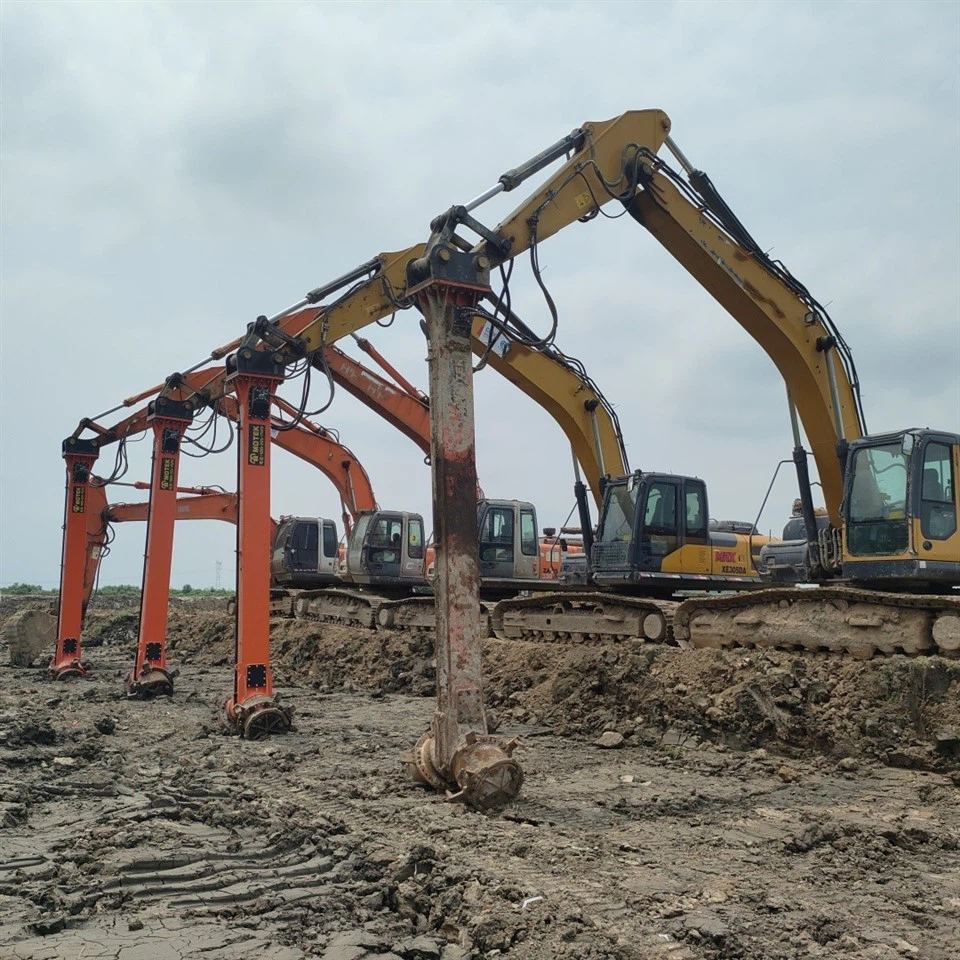
One such method is soil mixing. Soil mixing involves using a Soil Mixing Tool to blend the sandy soil with additives such as cement, lime, or fly ash. This helps to increase the soil's strength, stability, and water - holding capacity. Our company offers a variety of soil mixing tools and additives that are suitable for different types of sandy soil and applications.
Another in - situ soil stabilization method is the use of geotextiles. Geotextiles are permeable fabrics that can be placed on or in the soil to improve its stability and drainage. They can help to prevent soil erosion, separate different soil layers, and provide reinforcement for the soil. Geotextiles can be used in combination with other soil improvement techniques, such as adding organic matter or soil amendments, to achieve even better results.
For more information on in - situ soil stabilization methods, visit our In - situ Soil Stabilization Methods page.
Implementing Mulching
Mulching is a simple yet effective way to improve sandy soil. Mulch is a layer of material that is placed on the surface of the soil to protect it from erosion, retain moisture, and suppress weeds.
Organic mulches, such as wood chips, straw, and shredded leaves, are excellent choices for sandy soil. They break down over time, adding organic matter to the soil and improving its structure. Organic mulches also help to regulate soil temperature, keeping the soil cooler in the summer and warmer in the winter.
Inorganic mulches, such as gravel and stones, can also be used in sandy soil. They provide a protective layer that helps to prevent soil erosion and retain moisture. Inorganic mulches are particularly useful in areas where organic mulches may not be practical, such as around driveways and walkways.
When applying mulch, it's important to apply a layer that is 2 - 4 inches thick. This will provide adequate protection for the soil without smothering the plants.
Choosing the Right Plants
Selecting the right plants for sandy soil is also an important part of soil improvement. Some plants are better adapted to sandy soil conditions than others and can help to improve the soil over time.
Drought - tolerant plants, such as succulents, lavender, and thyme, are well - suited to sandy soil. They have deep root systems that can access water and nutrients deep in the soil, and they can tolerate the dry conditions often found in sandy soil.
Legumes, such as clover and beans, are another good choice for sandy soil. They have the ability to fix nitrogen from the air, which helps to improve the soil's fertility. Legumes also add organic matter to the soil when their roots and foliage decompose.
Native plants are often a great option for sandy soil. They are adapted to the local climate and soil conditions, and they can help to support the local ecosystem. Native plants also require less maintenance and are more resistant to pests and diseases.
Conclusion
Improving sandy soil is a long - term process that requires patience and dedication. By adding organic matter, using soil amendments, employing in - situ soil stabilization methods, implementing mulching, and choosing the right plants, you can transform your sandy soil into a fertile and productive growing environment.
As a supplier of Soil Improvements, we are committed to providing high - quality products and solutions to help you achieve your soil improvement goals. If you're interested in learning more about our products or have any questions about improving sandy soil, please don't hesitate to contact us. We look forward to working with you to create healthy, thriving soil for your plants.
References
Brady, N. C., & Weil, R. R. (2008). The nature and properties of soils. Pearson Prentice Hall.
Hillel, D. (1998). Environmental soil physics. Academic Press.
Landon, J. R. (1991). Booker Tropical soil manual: chemical and physical methods for soil analysis. Longman.