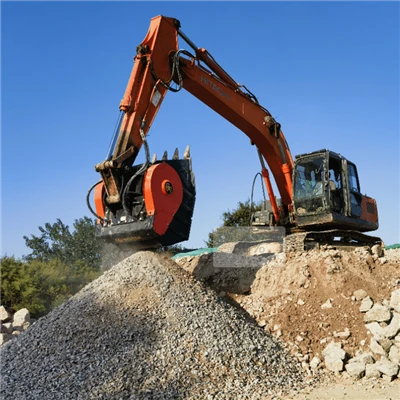
Hey there! As a supplier of Excavator Jaw Buckets, I often get asked if these bad boys can be used for river dredging. Well, let's dig into this topic and find out.
First off, what exactly is a river dredging? River dredging is the process of removing sediment, debris, and other unwanted materials from the bottom of a river. This is done to improve water flow, increase the depth of the river, and maintain the navigability of waterways. It's a crucial operation for various reasons, like flood control, environmental protection, and facilitating commercial and recreational boating.
Now, let's talk about the Excavator Jaw Bucket. These buckets are designed to crush and break up hard materials, like rocks, concrete, and asphalt. They're usually attached to an excavator and use a powerful jaw mechanism to squeeze and crush the material between two plates. The crushed material can then be easily removed or further processed.
So, can an Excavator Jaw Bucket be used for river dredging? The short answer is yes, but it depends on a few factors.
Advantages of Using an Excavator Jaw Bucket for River Dredging
1. Efficient Material Removal
One of the main advantages of using an Excavator Jaw Bucket for river dredging is its ability to efficiently remove large amounts of sediment and debris. The powerful jaw mechanism can crush and break up compacted sediment, making it easier to scoop up and remove from the riverbed. This can significantly speed up the dredging process, especially in areas with thick layers of sediment.
2. Versatility
Excavator Jaw Buckets are highly versatile attachments. They can be used not only for crushing and removing sediment but also for handling other types of materials found in the river, such as rocks and boulders. This versatility makes them a valuable tool for river dredging projects, as they can perform multiple tasks without the need for additional equipment.
3. Precise Operation
Another benefit of using an Excavator Jaw Bucket is its ability to perform precise operations. The operator can control the movement of the bucket and the pressure applied by the jaws, allowing for accurate removal of sediment and debris. This is particularly important in sensitive river environments, where minimizing damage to the surrounding ecosystem is crucial.
Limitations of Using an Excavator Jaw Bucket for River Dredging
1. Water Conditions
One of the main limitations of using an Excavator Jaw Bucket for river dredging is the water conditions. If the water is too deep or the current is too strong, it can be difficult to operate the bucket effectively. The bucket may get stuck or washed away, causing delays and potentially damaging the equipment. In addition, the presence of large amounts of floating debris can also interfere with the operation of the bucket.
2. Material Type
The type of material in the riverbed can also affect the performance of the Excavator Jaw Bucket. If the sediment is too soft or contains a high percentage of organic matter, the bucket may not be able to crush it effectively. In such cases, other dredging methods, such as suction dredging, may be more suitable.
3. Environmental Impact
While an Excavator Jaw Bucket can be an effective tool for river dredging, it can also have a significant environmental impact. The process of crushing and removing sediment can stir up large amounts of sediment and debris, which can cloud the water and harm aquatic life. In addition, the noise and vibration generated by the equipment can also disrupt the natural habitat of fish and other wildlife.
Considerations for Using an Excavator Jaw Bucket for River Dredging
1. Site Assessment
Before using an Excavator Jaw Bucket for river dredging, it's important to conduct a thorough site assessment. This should include an analysis of the water conditions, the type of material in the riverbed, and the potential environmental impact of the dredging operation. Based on this assessment, the appropriate equipment and techniques can be selected to ensure the safe and effective completion of the project.
2. Operator Training
Operating an Excavator Jaw Bucket requires specialized skills and training. The operator should be familiar with the equipment and its capabilities, as well as the safety procedures and regulations related to river dredging. Proper training can help ensure the safe and efficient operation of the equipment, as well as minimize the risk of accidents and damage to the environment.
3. Environmental Mitigation Measures
To minimize the environmental impact of using an Excavator Jaw Bucket for river dredging, it's important to implement appropriate mitigation measures. This may include using sediment curtains to contain the sediment and debris, monitoring the water quality during and after the dredging operation, and avoiding dredging in sensitive areas, such as spawning grounds and wetlands.
Other Equipment Options for River Dredging
While an Excavator Jaw Bucket can be a useful tool for river dredging, it's not the only option available. Other types of equipment that can be used for river dredging include:


1. Suction Dredgers
Suction dredgers are designed to suck up sediment and debris from the riverbed using a powerful pump. They're particularly effective in areas with soft sediment or in deep water. Suction dredgers can be equipped with various types of nozzles and attachments to improve their performance.
2. Cutter Suction Dredgers
Cutter suction dredgers are similar to suction dredgers, but they also have a rotating cutter head that can break up compacted sediment and rocks. This makes them more suitable for dredging in areas with hard or rocky riverbeds.
3. Grab Dredgers
Grab dredgers use a large grab bucket to scoop up sediment and debris from the riverbed. They're often used in shallow water or in areas with limited access. Grab dredgers can be mounted on a barge or a crane, depending on the specific requirements of the project.
Conclusion
So, can an Excavator Jaw Bucket be used for river dredging? The answer is yes, but it's important to consider the specific conditions of the river and the requirements of the project. While an Excavator Jaw Bucket can offer several advantages, such as efficient material removal and versatility, it also has some limitations, such as water conditions and environmental impact. By conducting a thorough site assessment, providing proper operator training, and implementing appropriate environmental mitigation measures, an Excavator Jaw Bucket can be a valuable tool for river dredging projects.
If you're interested in learning more about our Excavator Jaw Buckets or other Crusher Bucket Attachment products, like the Bucket Rock Crusher or Excavator Rock Crusher Bucket, feel free to reach out. We're always here to discuss your project needs and help you find the right equipment for the job. Whether you're a contractor working on a large - scale river dredging project or a small - business owner looking for a reliable attachment, we've got you covered. Let's start a conversation and see how we can make your project a success.
References
- "River Dredging: A Guide to Best Practices" by the Environmental Protection Agency
- "Excavator Attachments: Types and Applications" by Construction Equipment Magazine
- "The Impact of Dredging on Aquatic Ecosystems" by the National Oceanic and Atmospheric Administration