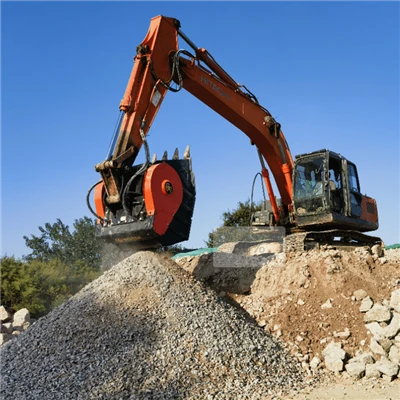
Hey there! As a supplier of soil mixing heads, I often get asked about what materials these things are made of. So, I thought I'd sit down and write a blog post to share all the deets with you.
First off, let's talk about why the materials matter. The soil mixing head is a crucial part of any Soil Improvement System. It's responsible for blending different materials into the soil, whether it's for Soil Decontamination, Soil Improvements, or just general soil modification. The materials it's made of need to be tough enough to withstand the harsh conditions of soil mixing, like abrasion from soil particles, corrosion from chemicals, and high pressures.
One of the most common materials used in soil mixing heads is high - strength steel. Steel is a go - to choice because it's incredibly strong and durable. It can handle the mechanical stresses that come with the mixing process. When the mixing head rotates and churns the soil, it experiences a lot of force. High - strength steel can resist bending and breaking under these forces.
There are different types of high - strength steel used. For example, alloy steel is often used. Alloy steel has additional elements like chromium, nickel, and molybdenum added to it. These elements enhance the steel's properties. Chromium, for instance, improves the steel's corrosion resistance. This is super important because the soil can sometimes contain moisture and chemicals that could cause the mixing head to rust. Nickel helps to increase the toughness of the steel, making it more resistant to impact. Molybdenum improves the steel's strength at high temperatures. Since the friction during the mixing process can generate heat, this property is very useful.
Another material that's frequently used is stainless steel. Stainless steel is a type of steel that contains at least 10.5% chromium. This chromium forms a thin, passive film on the surface of the steel, which protects it from corrosion. In soil mixing applications where the soil might be contaminated with corrosive substances, stainless steel is a great option. It can keep the mixing head in good condition for a longer time compared to regular steel.
Stainless steel also has a smooth surface. This smoothness is beneficial for the mixing process. It allows the soil to flow more easily around the mixing head, reducing the energy required for the mixing. It also makes it easier to clean the mixing head after use. You don't want soil and debris to get stuck on the mixing head, as this could affect its performance.
Some soil mixing heads also use wear - resistant coatings. These coatings are applied to the surface of the mixing head to protect it from abrasion. One common type of wear - resistant coating is tungsten carbide. Tungsten carbide is extremely hard. It can withstand the constant rubbing and scraping from the soil particles. When the mixing head is in operation, the soil particles act like tiny abrasives, wearing down the surface of the mixing head. A tungsten carbide coating can significantly reduce this wear.
The way the coating is applied is also important. There are different methods, such as thermal spraying. In thermal spraying, the tungsten carbide powder is heated to a high temperature and then sprayed onto the surface of the mixing head. This creates a strong bond between the coating and the base material.
Ceramics are also being explored as a material for soil mixing heads. Ceramics have some unique properties. They are very hard and have excellent wear resistance. They can also be chemically inert, which means they won't react with the chemicals in the soil. This is a big advantage in soil decontamination applications, where the soil might be contaminated with toxic chemicals.
However, ceramics have some limitations. They are brittle, which means they can crack or break if they experience a sudden impact. So, when using ceramics in soil mixing heads, special design considerations need to be taken. For example, the mixing head might be designed in a way that reduces the chances of impact. Or, the ceramic parts could be combined with other materials in a hybrid design to take advantage of the ceramics' wear - resistant properties while compensating for their brittleness.


Now, let's talk about the design of the soil mixing head and how it relates to the materials. The shape of the mixing head is carefully designed to optimize the mixing process. The materials used need to be compatible with this design. For example, if the mixing head has a complex shape with small channels and fins, the material needs to be easy to machine. High - strength steel and stainless steel are relatively easy to machine into different shapes. This allows for the creation of mixing heads that can efficiently mix the soil in different ways.
The choice of material also depends on the specific application of the soil mixing head. If it's for a small - scale soil improvement project in a residential area, a less expensive material like regular high - strength steel might be sufficient. But for a large - scale industrial project, especially one involving soil decontamination, more expensive and high - performance materials like stainless steel or those with wear - resistant coatings might be necessary.
In addition to the main body of the soil mixing head, the blades or paddles on the mixing head also require careful material selection. These blades are the parts that directly interact with the soil. They need to be strong enough to cut through the soil and mix it effectively. The same materials we've talked about, like high - strength steel, stainless steel, and those with wear - resistant coatings, are commonly used for the blades.
The size of the soil mixing head also plays a role in the material choice. Larger mixing heads need to be made of materials that can handle the increased weight and stress. A bigger mixing head will experience more force when it's in operation, so stronger materials are required. Smaller mixing heads, on the other hand, might be able to use lighter - weight materials without sacrificing performance.
To sum it up, the materials used in soil mixing heads are carefully chosen based on the specific requirements of the application. High - strength steel, stainless steel, wear - resistant coatings, ceramics, and other materials all have their own advantages and disadvantages. By understanding these materials, you can make a more informed decision when it comes to choosing a soil mixing head for your project.
If you're in the market for a soil mixing head, whether it's for soil decontamination, soil improvements, or any other soil - related project, I'd love to talk to you. We offer a wide range of soil mixing heads made from high - quality materials. Just reach out, and we can discuss your specific needs and find the perfect solution for you.
References
- Metals Handbook: Properties and Selection: Irons and Steels, ASM International
- Handbook of Ceramics, Glasses, and Diamonds, CRC Press
- Coatings for Wear and Corrosion Resistance, Woodhead Publishing