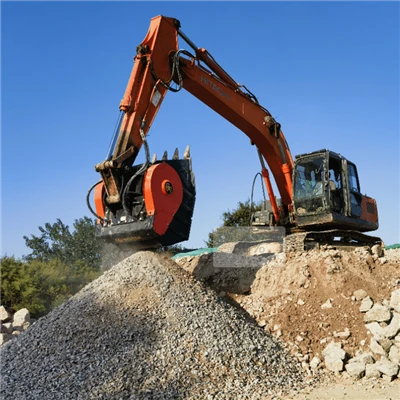
Hey there! As a supplier of Excavator Jaw Buckets, I often get asked if these nifty tools can be used for pipeline installation. Well, let's dive right into it and find out!
First off, let's talk a bit about what an excavator jaw bucket is. It's a specialized attachment for excavators that's designed to crush and handle various materials. Think of it as a powerful pair of jaws that can chomp through rocks, concrete, and other tough stuff. You can check out some of the cool options we have like the Jaw Rock Crusher, Big Jaw Crusher, and Rock Crusher Jaws.
Now, when it comes to pipeline installation, there are a few key aspects to consider. One of the main tasks in pipeline installation is preparing the trench where the pipes will be laid. This involves digging and removing soil, rocks, and other debris. Here's where the excavator jaw bucket can really shine.
The jaw bucket's crushing ability is a major advantage when dealing with rocky terrain. Instead of having to remove large boulders from the site, the bucket can crush them into smaller, more manageable pieces. This not only saves time but also reduces the need for additional equipment and transportation. For example, if you're working in an area with lots of granite or limestone, the jaw bucket can break up these hard rocks on the spot, making it easier to dig the trench to the required depth and width.
Another benefit is the bucket's versatility. It can be used for both digging and crushing operations. You can start by using it to dig the trench, and then switch to the crushing mode when you encounter rocks. This eliminates the need to change attachments multiple times, which can be time - consuming and costly.
However, there are also some limitations to using an excavator jaw bucket for pipeline installation. One of the main concerns is the precision required for laying pipelines. Pipelines need to be installed on a smooth and level surface to ensure proper flow and prevent leaks. While the jaw bucket can do a good job of removing large obstacles, it might not be as precise as other specialized equipment when it comes to creating a perfectly flat bottom for the trench.


The crushed material left behind by the jaw bucket may also pose a problem. If the crushed rocks are not evenly distributed or if there are sharp edges, they could potentially damage the pipeline. To overcome this, additional grading and smoothing operations may be necessary after using the jaw bucket. This could involve using a grader or a bulldozer to level the trench bottom and remove any rough spots.
The size of the pipeline also matters. For larger - diameter pipelines, the trench needs to be wider and deeper. The jaw bucket may need to be adjusted or a larger - sized bucket may be required to handle the increased volume of material. If the bucket is too small, it may take longer to complete the digging and crushing operations, which can slow down the entire pipeline installation process.
In terms of safety, there are a few things to keep in mind. When using the jaw bucket to crush rocks, there is a risk of flying debris. Operators need to wear appropriate safety gear, such as helmets, goggles, and ear protection. Also, the bucket's moving parts need to be properly maintained to prevent malfunctions and accidents.
Let's talk about the cost - effectiveness of using an excavator jaw bucket for pipeline installation. While the initial investment in a jaw bucket may be higher compared to a regular digging bucket, the long - term savings can be significant. As mentioned earlier, the time saved by crushing rocks on - site and reducing the need for additional equipment can lead to lower overall project costs. Also, the reduced transportation costs associated with not having to haul large boulders away from the site can add up over time.
If you're considering using an excavator jaw bucket for your pipeline installation project, it's important to assess the site conditions first. Take a look at the type of soil and rock present, the size and length of the pipeline, and the required precision for the installation. Based on this assessment, you can determine if the jaw bucket is the right choice for your project.
In conclusion, an excavator jaw bucket can be a valuable tool for pipeline installation, especially in rocky terrain. Its crushing ability, versatility, and potential cost savings make it a viable option. However, it's not a one - size - fits - all solution. You need to weigh the pros and cons, consider the project requirements, and take the necessary precautions to ensure a successful pipeline installation.
If you're interested in learning more about our Excavator Jaw Buckets or have any questions about using them for your pipeline installation project, don't hesitate to reach out. We're here to help you make the best decision for your specific needs. Whether it's choosing the right bucket size, understanding the maintenance requirements, or getting advice on how to use the bucket effectively, our team of experts is ready to assist you.
So, if you think an excavator jaw bucket could be the missing piece in your pipeline installation puzzle, get in touch and let's start a conversation about how we can work together to make your project a success.
References:
- Industry standards and guidelines for pipeline installation
- Manufacturer's specifications for excavator jaw buckets
- Case studies of pipeline installation projects using excavator jaw buckets