Can a Jaw Bucket be Used for Heavy - Duty Work?
As a supplier of jaw buckets, I've encountered numerous inquiries regarding the suitability of jaw buckets for heavy - duty work. In this blog, I'll delve into the capabilities of jaw buckets, analyze their performance in heavy - duty scenarios, and provide insights based on industry knowledge and real - world applications.
Understanding Jaw Buckets
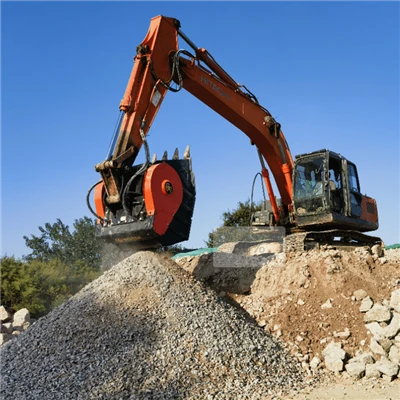
Jaw buckets, also known as Excavator Jaw Bucket, are specialized attachments for excavators. They are designed with a pair of jaws that can open and close, similar to a crusher. The primary function of a jaw bucket is to crush and break down various materials, such as rocks, concrete, and demolition debris.
The design of jaw buckets typically consists of a robust frame, powerful hydraulic cylinders, and durable jaw plates. The hydraulic cylinders provide the force required to close the jaws, exerting high pressure on the material being crushed. The jaw plates are made from high - strength materials, such as manganese steel, to withstand the wear and tear associated with crushing operations.
Heavy - Duty Work Requirements
Heavy - duty work in the construction, mining, and demolition industries often involves dealing with large - scale, tough materials. Some of the key requirements for equipment used in heavy - duty work include:
- High Crushing Force: The ability to generate sufficient force to break down large and hard materials is crucial. For example, in mining operations, rocks can be extremely dense and require a significant amount of force to be crushed into smaller pieces.
- Durability: Heavy - duty work is often continuous and involves harsh operating conditions. Equipment must be able to withstand abrasion, impact, and high - pressure environments without significant damage.
- Efficiency: Time is money in heavy - duty operations. Equipment should be able to process materials quickly and efficiently to meet project deadlines.
- Versatility: The ability to handle different types of materials and perform various tasks is an advantage. For instance, a jaw bucket should be able to crush both soft and hard rocks, as well as concrete and other construction debris.
Can Jaw Buckets Meet Heavy - Duty Requirements?
High Crushing Force
Jaw buckets are engineered to generate substantial crushing force. The hydraulic systems in modern jaw buckets can produce high - pressure outputs, enabling the jaws to close with great force. This force is sufficient to break down large rocks and concrete blocks. For example, the Motek - MTC330 is a high - performance jaw bucket that can generate a crushing force of up to several hundred tons, making it suitable for heavy - duty crushing tasks.
Durability
The construction of jaw buckets emphasizes durability. The frames are made from thick - walled steel, which provides excellent structural integrity. The jaw plates are designed to be replaceable, allowing for easy maintenance and reducing downtime. Additionally, the hydraulic components are of high quality and are designed to withstand the rigors of heavy - duty use. In long - term heavy - duty operations, jaw buckets can maintain their performance with proper maintenance.
Efficiency
Jaw buckets are designed for efficient material processing. They can quickly crush large materials into smaller, more manageable pieces. The continuous opening and closing motion of the jaws allows for a high throughput rate. In demolition projects, for example, a jaw bucket can rapidly break down concrete structures, reducing the time and labor required for manual demolition.


Versatility
One of the significant advantages of jaw buckets is their versatility. They can be used in a wide range of applications, including mining, construction, and demolition. Whether it's crushing hard granite in a mining site or recycling concrete in a construction project, jaw buckets can adapt to different materials and tasks. This makes them a valuable asset for heavy - duty work where multiple types of materials need to be processed.
Real - World Applications
Let's take a look at some real - world examples of jaw buckets being used in heavy - duty work:
- Mining Operations: In open - pit mines, jaw buckets are used to crush large rocks extracted from the ground. They can be attached to large - scale excavators and work continuously to break down the mined materials into smaller sizes for further processing. This helps to improve the efficiency of the mining operation and reduce the need for additional crushing equipment on - site.
- Demolition Projects: When demolishing large buildings or structures, jaw buckets are used to break down concrete and steel components. They can quickly reduce the size of the debris, making it easier to transport and recycle. For example, in a high - rise building demolition, a jaw bucket can be used to crush the concrete floors and columns, turning them into reusable aggregates.
- Recycling Facilities: Jaw buckets play an important role in recycling facilities. They can crush construction and demolition waste, such as concrete, bricks, and asphalt, into recycled aggregates. These aggregates can then be used in new construction projects, reducing the demand for virgin materials and promoting sustainable construction practices.
Considerations for Heavy - Duty Use
While jaw buckets are well - suited for heavy - duty work, there are some considerations that need to be taken into account:
- Excavator Compatibility: The jaw bucket must be compatible with the excavator it is attached to. The size, weight, and hydraulic capacity of the excavator should match the requirements of the jaw bucket. Using an incompatible combination can lead to reduced performance and potential damage to the equipment.
- Maintenance: Regular maintenance is essential for the long - term performance of jaw buckets. This includes checking the hydraulic system, lubricating moving parts, and replacing worn - out jaw plates. Neglecting maintenance can result in decreased efficiency and increased downtime.
- Operator Training: Operators should receive proper training on how to use the jaw bucket effectively. This includes understanding the controls, safety procedures, and best practices for crushing different materials. A well - trained operator can maximize the performance of the jaw bucket and ensure safe operation.
Conclusion
In conclusion, jaw buckets are highly suitable for heavy - duty work. They offer high crushing force, durability, efficiency, and versatility, making them a valuable tool in the construction, mining, and demolition industries. With proper selection, maintenance, and operator training, jaw buckets can provide reliable performance in even the most challenging heavy - duty applications.
If you're in the market for a jaw bucket for your heavy - duty work, I encourage you to reach out to discuss your specific requirements. We can provide you with detailed information about our products, including the Digger Crusher Bucket, and help you make an informed decision. Whether you're looking for a high - performance jaw bucket for a large - scale mining project or a versatile solution for a construction site, we have the expertise and products to meet your needs.
References
- Construction Equipment Handbook, various editions
- Mining Engineering Journal, multiple issues
- Demolition and Recycling Industry Reports