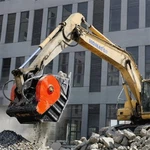
Excavator Jaw Bucket

Excavator Jaw Bucket

An Excavator Jaw Bucket, often referred to as a grapple bucket or a demolition bucket, is a specialized attachment designed for excavators.
Send Inquiry
Product Introduction
Anhui Motek Construction Machinery Co., Ltd. :Your Trustworthy Excavator Jaw Bucket Manufacturer!


Anhui Motek Construction Machinery Co., Ltd. is top manufacturer in China on construction machinery attachments, established in 2014. We have two gantry machining centers, which can easily cope with the processing of large and complex parts with high precision and large stroke, ensuring that every detail is accurate.


Rich Product Variety
Our company has crushing buckets, screening buckets, soil stabilization systems, skid steer loader screening buckets, excavator crushing buckets, rock screening buckets, crusher bucket accessories, loader screening buckets, excavator screening buckets, etc.


Wide Range of Product Uses
Our screening buckets are widely used in soil remediation, solid waste treatment and other fields to screen and crush materials. Crusher buckets are mainly used for fine crushing of bulk materials and are one of the common accessories in construction machinery.


Advanced Equipment
We have two gantry machining centers, which can easily cope with the processing of large and complex parts with high precision and long stroke, ensuring the accuracy of every detail. And CNC lathes have advanced control systems and multi-axis linkage functions, which can process parts with complex shapes and high precision requirements.


Leading Service
We have many years of industry experience and a complete production management, quality supervision, sales service operation system. Whether you want to buy a screening bucket or a crushing bucket, just send your requirements by email and we can customize the product for you.


Jaw Crusher For Excavator

Jaw Crusher for Excavator

A Jaw Crusher for Excavator, also known as an excavator-mounted jaw crusher bucket, is a versatile attachment designed to crush a wide range of materials, including rock, concrete, and asphalt, directly at the construction or demolition site. This powerful tool significantly enhances the capabilities of excavators, making them more effective for material processing and management.

Big Jaw Crusher

Big Jaw Crusher

Motek big jaw crusher has a very good layout of parts. The layout of each component is reasonable and easy to disassemble and replace. Daily maintenance work is simple and convenient, reducing maintenance costs and time.

Rock Crusher Excavator Bucket

Rock Crusher Excavator Bucket

A Rock Crusher Excavator Bucket is a specialized attachment designed to crush hard materials, such as rocks, stones, and boulders, directly on-site using an excavator. Its robust construction and powerful crushing mechanism make it an indispensable tool in construction, mining, and demolition projects where the handling and reduction of hard materials are required.

Excavator Rock Crusher Bucket

Excavator Rock Crusher Bucket

An Excavator Rock Crusher Bucket is a specialized attachment designed for excavators that enables the on-site crushing of rocks, concrete, asphalt, and other hard materials. This attachment significantly enhances the capabilities of excavators, making them more versatile for construction, mining, and demolition projects. Below is a detailed insight into its features, working mechanism, applications, and benefits.

Digger Crusher Bucket

Digger Crusher Bucket

A Digger Crusher Bucket, often synonymous with an excavator crusher bucket, is a specialized attachment designed to fit onto a digger or excavator. Its purpose is to crush, grind, and reduce various types of materials, such as concrete, asphalt, rock, and waste, directly on construction and demolition sites.

Crusher Bucket Excavator

Crusher Bucket Excavator

A Crusher Bucket Excavator is a specialized attachment designed to enhance the capabilities of excavators in construction, demolition, and recycling projects. It combines the mobility and power of an excavator with the functionality of an on-site crushing unit, allowing for efficient processing of various materials directly at the project site.

Crusher Bucket Mini Excavator

Crusher Bucket Mini Excavator

A Crusher Bucket Mini Excavator is a specialized attachment designed to fit onto smaller, more compact excavators, often used in tight spaces or on smaller-scale projects. It brings the powerful functionality of a crusher to mini excavators, allowing for the on-site processing of various materials such as concrete, asphalt, and stone.

Excavator Jaw Crusher Bucket

Excavator Jaw Crusher Bucket

An Excavator Jaw Crusher Bucket is a specialized attachment designed for excavators, primarily used to crush rocks, concrete, and other hard materials on construction and demolition sites. This innovative tool significantly enhances the efficiency and versatility of excavators by enabling on-site material processing.

Jaw Rock Crusher

Jaw Rock Crusher

A Jaw Rock Crusher is a primary type of crusher used in the first stage of size reduction of rock, stone, and other materials. It's a fundamental piece of equipment in the mining and construction industry, designed to break down large pieces of material into smaller, manageable sizes.


What Is Excavator Jaw Bucket


An Excavator Jaw Bucket, often referred to as a grapple bucket or a demolition bucket, is a specialized attachment designed for excavators. It is distinct from a standard excavator bucket by its unique design, featuring a set of jaws or grapples that can open and close.


Features of Excavator Jaw Bucket


Efficient Material Handling Capability
The jaw bucket of the excavator adopts a jaw structure, which can effectively improve the crushing and processing efficiency of materials. Its unique bucket shape design enables it to better clamp materials when grabbing, especially suitable for excavating hard materials such as clay and stone. Compared with traditional buckets, the jaw bucket has significantly improved processing efficiency, reduced operation time, and saved labor costs.


Superior Wear Resistance
Jaw buckets are usually made of high-strength alloy steel materials and have excellent wear resistance. In high-intensity working environments, the service life of the bucket is greatly extended, reducing the frequency of maintenance and replacement. This wear resistance ensures the stability and reliability of the equipment in long-term use, making it an ideal choice for construction sites.


Versatility and Adaptability
The jaw bucket of the excavator is flexible in design and can adapt to different working environments and material types. Whether it is earthwork, crushing stones or carrying other heavy objects, the jaw bucket can be adjusted according to specific needs. This versatility enables jaw buckets to be widely used in various construction occasions, improving the utilization rate of equipment.


Improved Work Safety
The jaw bucket of the excavator is designed with work safety in mind. Its stable bucket structure can effectively reduce the risk of tilting and sliding when working at height. In addition, the bucket's clamping function reduces the sliding of materials and ensures the safety of operators. Therefore, using a jaw bucket can create a safer working environment on the construction site.


Types Of Excavator Jaw Bucket
 

Digging Bucket

A digging bucket typically features teeth on the end of the bucket that allow it to break through and dig up hard surfaces for general construction and landscaping purposes. While the digging bucket is the most popular, it's not always the best choice. Projects that require digging up a hard surface may benefit from using a rock or frost bucket, and then using a digging bucket to finish the job.

Rock Bucket

A rock bucket is ideal for compact and hard surfaces that you need to break through. A rock bucket is reinforced for extra strength that can withstand a lot of pressure, but the most notable feature of a rock bucket is its sharp teeth that can better penetrate stubborn surfaces when a digging bucket just won't do.

crusher buckets (8)


How to Choose Excavator Jaw Bucket


Worksite Conditions
What is the size of your workspace? Are you in a wide, open area where you can use a large excavator and bucket? Or in a smaller, compact area where you can only fit a mini-excavator with a smaller bucket?

Climate
Climate can have a big impact on your work site. For example, cold and dry climates may require the extra force of a rock or frost bucket if the ground is frozen, whereas humid climates often have softer soil that may not require as much digging power.

Ground Conditions
How compact is the ground? If you're trying to dig up extremely compact surfaces, you may require a rock or frost bucket to break up the material first.

Surrounding Hazards
Are there any potential hazards to be aware of? Are you digging near utility cables or irrigation systems? If so, you may consider a utility bucket.


How to Maintain Excavator Jaw Bucket
 

Don't Use it Incorrectly
If the health of your machine and bucket is important to you, don't be silly with your machine! The most common reason for excessive bucket wear is walking. Walking puts undue stress on the bucket – you're putting a lot of weight on it if you walk. But tricks such as whirling a water skier around a lake probably won't be that helpful to your buckets either.


Make Sure You're Using the Right Bucket For the Job
It's really important that you're using the right bucket for the job. A common mistake is using a bigger bucket, thinking it will get the job done faster. It may get the job done, but it will do so at greater expense and less efficiency. The best job is done with a bucket the right size, not too small and not too big. You can't always use a specialised bucket, but you should always try and get the best possible fit for the job.


Don't Forget to Change Your Bucket Teeth Regularly
Sharp bucket teeth will ensure easier penetration through the ground and more efficient digging. Bucket teeth are relatively inexpensive compared to poor digging ability. Blunt and rounded teeth will use more fuel and take more operator time in the digging process. Also remember to take care when replacing your teeth as well.


Certificate


productcate-1-1


Frequently Asked Questions


Q: What is an Excavator Jaw Bucket?

A: An Excavator Jaw Bucket is a specialized attachment designed for excavators. It features a clamping mechanism similar to a jaw, allowing it to grab, hold, and crush materials such as rocks, concrete, and debris. Its design enhances the excavator's versatility, enabling it to perform a variety of tasks like excavation, demolition, material handling, and crushing in construction and mining projects.

Q: What are the primary uses of an Excavator Jaw Bucket?

A: The primary uses of an Excavator Jaw Bucket include breaking up large rocks, crushing concrete during demolition, and handling materials like gravel, stone, or debris. It is commonly used in industries such as construction, mining, and recycling. Its versatility makes it ideal for various applications, from earthmoving to waste disposal and even road building.

Q: What materials can be handled by an Excavator Jaw Bucket?

A: An Excavator Jaw Bucket can handle a variety of materials including rocks, concrete, brick, asphalt, and other demolition waste. It is designed for tough jobs, making it suitable for heavy-duty materials often encountered in construction, mining, and demolition projects. This versatility allows operators to use a single attachment for multiple tasks, reducing the need for frequent equipment changes.

Q: How does an Excavator Jaw Bucket improve efficiency?

A: An Excavator Jaw Bucket improves efficiency by combining multiple functions such as grabbing, crushing, and transporting materials in one attachment. This reduces the time spent switching between different tools and streamlines the workflow. Additionally, its ability to crush materials on-site eliminates the need to transport waste to off-site processing facilities, saving time and transportation costs.

Q: What are the key features of an Excavator Jaw Bucket?

A: Key features of an Excavator Jaw Bucket include a clamping jaw mechanism for grabbing and crushing materials, high-strength steel construction for durability, and a rugged design for handling heavy loads. Many models also feature adjustable jaws for handling materials of different sizes and hydraulic systems for precise control. These features make it a versatile and robust attachment for demanding tasks.

Q: What are the benefits of using an Excavator Jaw Bucket in demolition projects?

A: In demolition projects, an Excavator Jaw Bucket offers the ability to quickly crush concrete, bricks, and other materials on-site, reducing the need for transport and off-site processing. It also allows operators to grab and remove debris more efficiently. The attachment's versatility enables it to perform multiple tasks, such as tearing down structures and clearing debris, streamlining demolition workflows.

Q: What types of excavators are compatible with a Jaw Bucket?

A: Excavator Jaw Buckets are compatible with a wide range of excavators, from small compact models to large heavy-duty machines. Most manufacturers offer different sizes and types of jaw buckets that can be attached to various models via quick couplers or pin systems. Compatibility is generally determined by the size, weight, and hydraulic capabilities of the excavator being used.

Q: How does an Excavator Jaw Bucket enhance safety on construction sites?

A: An Excavator Jaw Bucket enhances safety by allowing operators to control and crush materials from a distance, reducing the need for manual handling of debris. This minimizes the risk of injury from falling objects or heavy lifting. Additionally, its ability to perform multiple functions with a single attachment reduces the number of equipment and personnel needed, lowering the chances of accidents.

Q: What maintenance is required for an Excavator Jaw Bucket?

A: Maintenance for an Excavator Jaw Bucket typically includes regular inspection of the hydraulic system, jaw mechanism, and wear parts such as teeth and cutting edges. Lubrication of moving parts is necessary to ensure smooth operation. Any damaged or worn components should be replaced to prevent further wear and ensure safe operation. Regular maintenance prolongs the lifespan of the attachment and ensures optimal performance.

Q: How does the hydraulic system work on an Excavator Jaw Bucket?

A: The hydraulic system on an Excavator Jaw Bucket powers the opening and closing of the jaws, allowing the operator to grab, crush, and release materials. The system is controlled through the excavator's hydraulic circuits, which provide the necessary pressure and flow to operate the bucket efficiently. This allows for precise control of the attachment's movements, making it effective for delicate and heavy-duty tasks alike.

Q: Can an Excavator Jaw Bucket be used in recycling operations?

A: Yes, an Excavator Jaw Bucket is highly effective in recycling operations. It can crush concrete, brick, asphalt, and other construction waste, reducing the need for transporting materials to external recycling facilities. By processing materials on-site, the jaw bucket saves time,reduces costs, and minimizes the environmental impact of hauling debris. It's a valuable tool in sustainable construction and demolition practices.

Q: What factors should be considered when selecting an Excavator Jaw Bucket?

A: When selecting an Excavator Jaw Bucket, factors such as the excavator's size, hydraulic capacity, and the type of material to be handled should be considered. Additionally, the job site's requirements-whether for demolition, excavation, or material handling-will influence the bucket's size and jaw configuration. Durability, compatibility, and ease of maintenance are also important considerations when choosing the right bucket.

Q: How durable is an Excavator Jaw Bucket in harsh environments?

A: An Excavator Jaw Bucket is built for durability in harsh environments. Constructed from high-strength, wear-resistant steel, it withstands abrasive materials, heavy impacts, and tough conditions commonly found in mining, construction, and demolition sites. The rugged design ensures that the bucket can handle extreme temperatures, moisture, and frequent use without compromising performance or lifespan.

Q: What is the load capacity of a typical Excavator Jaw Bucket?

A: The load capacity of an Excavator Jaw Bucket varies depending on the model and size, typically ranging from 1 to 6 cubic meters. Larger buckets, designed for heavy-duty excavators, can handle even larger volumes. The capacity depends on the bucket's dimensions and the strength of the jaws, which are built to manage substantial weight and high impact during operation.

Q: Can an Excavator Jaw Bucket be used for fine material handling?

A: While an Excavator Jaw Bucket is primarily designed for heavy and bulky materials like rocks and debris, it can also handle finer materials with precision. Many models offer adjustable jaws or teeth that allow the operator to pick up smaller materials. However, for purely fine material handling tasks, other specialized attachments may be more suitable, depending on the application.

Q: What is the difference between a standard bucket and a jaw bucket?

A: The main difference between a standard bucket and a jaw bucket is the latter's ability to clamp and crush materials using its jaw-like mechanism. A standard bucket is designed primarily for scooping and moving loose materials, while a jaw bucket can grab, crush, and break down hard materials like concrete and rock. This added functionality makes jaw buckets more versatile for demolition and heavy-duty applications.

Q: What industries benefit the most from Excavator Jaw Buckets?

A: Industries such as construction, mining, demolition, and recycling benefit the most from Excavator Jaw Buckets. These sectors require versatile equipment that can handle tasks like breaking, crushing, and moving heavy materials. The jaw bucket's multifunctional design makes it ideal for reducing the need for multiple tools and increasing the efficiency of operations in these demanding environments.

Q: How does an Excavator Jaw Bucket affect the versatility of an excavator?

A: An Excavator Jaw Bucket significantly enhances the versatility of an excavator by enabling it to perform multiple tasks such as grabbing, crushing, and handling materials. With a single attachment, the excavator can transition between excavation, demolition, and material handling, reducing downtime for equipment changes. This increased functionality maximizes the excavator's utility across various job sites and applications.

Q: Are there different types of Excavator Jaw Buckets available?

A: Yes, there are different types of Excavator Jaw Buckets available, tailored to specific needs. Some models are designed for heavy-duty tasks like rock crushing, while others are more suited for general material handling. Variations may include different jaw sizes, adjustable teeth, and specialized materials for extreme conditions. The type chosen depends on the nature of the work and the material to be processed.

Q: How can an Excavator Jaw Bucket reduce project costs?

A: An Excavator Jaw Bucket can reduce project costs by streamlining processes such as material handling, crushing, and demolition. By enabling on-site material crushing, it eliminates the need for additional machinery and transportation to off-site processing facilities. This not only saves fuel and labor costs but also reduces downtime, leading to more efficient project completion within budget.

Hot Tags: excavator jaw bucket, China excavator jaw bucket manufacturers, suppliers, factory, crusher bucket cost, crusher bucket software, crusher bucket multi function crusher bucket, crusher bucket separating, crusher bucket spill proof crusher bucket, crusher bucket filtering

Send Inquiry

whatsapp

Phone

E-mail

Inquiry