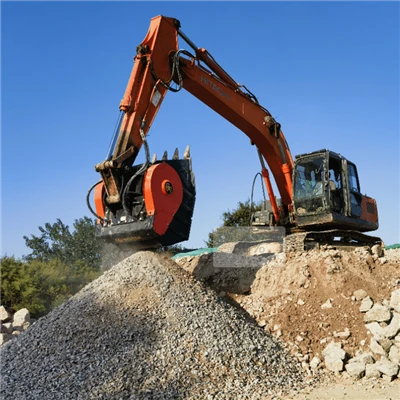
Hey there! As a supplier of Big Jaw Crushers, I've seen firsthand the challenges these machines face in harsh environments. Running a Big Jaw Crusher smoothly in tough conditions isn't a walk in the park, but with the right know - how, it's definitely doable. In this blog, I'll share some tips on how to ensure the stable operation of a Big Jaw Crusher in harsh environments.
1. Pre - operation Checks
Before you even fire up the Big Jaw Crusher, a thorough pre - operation check is a must. First off, take a good look at the crusher's components. Check the jaw plates for any signs of wear and tear. Worn - out jaw plates can lead to inefficient crushing and even cause damage to other parts of the machine. If you notice any significant wear, it's time to replace them.
Inspect the belts and pulleys as well. Loose or damaged belts can slip, reducing the crusher's power and efficiency. Make sure the belts are properly tensioned and there are no cracks or frays. Also, check the lubrication system. In harsh environments, the lubricant can get contaminated quickly. Ensure that the oil levels are correct and the lubricant is clean. Dirty or low - level lubricant can cause excessive friction and heat, which can damage the bearings and other moving parts.
2. Environmental Adaptation
Harsh environments come in different forms, like extreme temperatures, dusty conditions, or wet and corrosive areas. In extremely hot environments, the crusher can overheat easily. To combat this, you can install additional cooling systems. For example, you can use water - cooled radiators to keep the engine and other components at a safe temperature.
In cold environments, on the other hand, the lubricant can thicken, making it difficult for the machine to operate smoothly. You may need to use a special low - temperature lubricant. Also, pre - heat the engine before starting it to prevent damage from cold starts.
Dusty conditions are another common challenge. Dust can get into the crusher's moving parts, causing abrasion and premature wear. Install dust - collection systems around the crusher. These systems can suck up the dust before it has a chance to settle on the machine. You can also use sealed bearings and enclosures to protect the internal components from dust ingress.
In wet and corrosive environments, corrosion is a major concern. Use corrosion - resistant materials for the crusher's parts. For example, stainless - steel jaw plates can withstand the effects of moisture and chemicals better than regular steel. Also, apply anti - corrosion coatings to the exposed surfaces of the machine to protect them from rust and other forms of corrosion.
3. Regular Maintenance
Regular maintenance is the key to keeping your Big Jaw Crusher running stably in harsh environments. Set up a maintenance schedule and stick to it. This should include daily, weekly, monthly, and annual maintenance tasks.
On a daily basis, clean the crusher after each use. Remove any debris or dust that has accumulated on the machine. Check for any loose bolts or nuts and tighten them if necessary. Weekly maintenance can involve more in - depth checks, such as inspecting the hydraulic system (if your crusher has one). Look for any leaks or pressure issues.
Monthly maintenance should include more comprehensive tasks like changing the lubricant. Over time, the lubricant can break down and lose its effectiveness, especially in harsh environments. Replace the filters regularly as well. Clogged filters can restrict the flow of oil and air, reducing the crusher's performance.
Annual maintenance is a major overhaul. This is the time to have a professional technician inspect the entire machine. They can check the alignment of the components, test the electrical systems, and make any necessary repairs or replacements.
4. Operator Training
Even the best - maintained Big Jaw Crusher can run into problems if it's not operated correctly. That's why proper operator training is crucial. Train your operators on how to start and stop the crusher safely. They should know the correct sequence of operations to avoid putting unnecessary stress on the machine.
Operators should also be trained to recognize the signs of potential problems. For example, strange noises, vibrations, or changes in the crusher's performance can indicate an issue. If they notice any of these signs, they should stop the machine immediately and report the problem.
In addition, teach your operators about the importance of following the maintenance schedule. They should be responsible for performing the daily and weekly maintenance tasks and reporting any issues they encounter during these checks.
5. Use of Quality Spare Parts
When it comes to replacing parts in your Big Jaw Crusher, always use high - quality spare parts. Inferior parts may be cheaper upfront, but they can cause more problems in the long run. They may not fit properly, leading to misalignment and increased wear on other components.
As a supplier, I can attest to the importance of using genuine parts. We offer a wide range of spare parts for our Big Jaw Crushers, and we ensure that they meet the highest quality standards. Using our parts can help extend the lifespan of your crusher and keep it running smoothly in harsh environments.
6. Upgrading and Modernization
Technology is constantly evolving, and so are Big Jaw Crushers. Consider upgrading your crusher to take advantage of the latest features and improvements. For example, some modern crushers come with advanced control systems that can optimize the crushing process based on the input material.
Upgrading the crusher's components can also improve its performance in harsh environments. For instance, you can upgrade to more wear - resistant jaw plates or more efficient cooling systems. These upgrades can make your crusher more reliable and reduce the frequency of breakdowns.


7. Monitoring and Analytics
In today's digital age, monitoring and analytics can play a big role in ensuring the stable operation of a Big Jaw Crusher. Install sensors on the crusher to monitor key parameters such as temperature, vibration, and power consumption. These sensors can collect data in real - time and send it to a monitoring system.
By analyzing this data, you can detect potential problems before they turn into major issues. For example, if the temperature of a bearing starts to rise steadily, it could indicate a lubrication problem or excessive friction. You can then take corrective action before the bearing fails.
Conclusion
Ensuring the stable operation of a Big Jaw Crusher in harsh environments is a multi - faceted task. It requires proper pre - operation checks, environmental adaptation, regular maintenance, operator training, the use of quality spare parts, upgrading, and monitoring. By following these tips, you can keep your crusher running smoothly and minimize downtime.
If you're in the market for a Big Jaw Crusher or need any spare parts or maintenance services, feel free to reach out to us. We're here to help you get the most out of your crusher in even the toughest conditions. And if you're also interested in other crushing equipment, you can check out our Hydraulic Crusher Bucket, Best Crusher Bucket, and Crush Bucket options. Let's start a conversation about how we can meet your crushing needs!
References
- "Crushing Equipment Handbook" - A comprehensive guide on the operation and maintenance of crushers.
- Industry reports on the performance of Big Jaw Crushers in different environments.