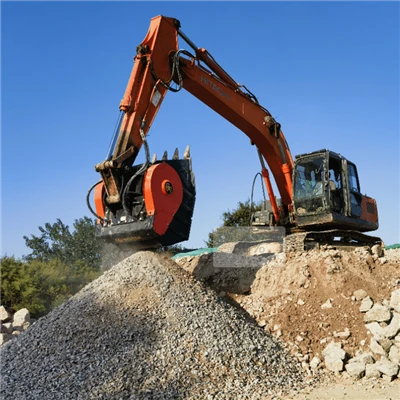
Hey there! If you're in the market for jaw buckets, you've come to the right place. I'm a supplier of jaw buckets, and I'm here to break down the different sizes available and help you figure out which one is the perfect fit for your needs.
Let's start with the basics. Jaw buckets are used in a variety of industries, from construction and demolition to mining and quarrying. They're designed to crush and break down materials like rocks, concrete, and asphalt, making them an essential tool for any project that involves handling large amounts of debris.
One of the first things you'll need to consider when choosing a jaw bucket is the size. Jaw buckets come in a wide range of sizes, each designed to handle different types of materials and workloads. The size of a jaw bucket is typically measured by the width of the opening at the top, which is known as the feed opening.
Small Jaw Buckets
Small jaw buckets are perfect for light-duty applications and projects where space is limited. These buckets typically have a feed opening of less than 24 inches and are designed to handle smaller materials, such as gravel, sand, and small rocks. They're often used in landscaping, gardening, and small construction projects.
One of the advantages of small jaw buckets is their portability. They can be easily attached to small excavators, skid steers, and other compact equipment, making them ideal for use in tight spaces. They're also relatively affordable, making them a great option for contractors and DIYers on a budget.
If you're looking for a small jaw bucket, check out our Crusher Bucket Mini Excavator. This bucket is specifically designed for use with mini excavators and is perfect for small-scale projects.
Medium Jaw Buckets
Medium jaw buckets are a popular choice for a wide range of applications. They typically have a feed opening between 24 and 36 inches and are designed to handle medium-sized materials, such as concrete blocks, bricks, and medium-sized rocks. They're often used in construction, demolition, and recycling projects.
One of the advantages of medium jaw buckets is their versatility. They can be used with a variety of equipment, including excavators, loaders, and backhoes, making them suitable for a wide range of projects. They're also more powerful than small jaw buckets, allowing them to handle larger materials and heavier workloads.
If you're in the market for a medium jaw bucket, we have a great selection to choose from. Our buckets are made from high-quality materials and are designed to provide reliable performance and long-lasting durability.
Large Jaw Buckets
Large jaw buckets are designed for heavy-duty applications and projects that require the crushing of large materials. They typically have a feed opening of more than 36 inches and are capable of handling large rocks, boulders, and other heavy materials. They're often used in mining, quarrying, and large-scale construction projects.
One of the advantages of large jaw buckets is their power. They're designed to handle the toughest materials and can crush large rocks and boulders with ease. They're also more efficient than smaller jaw buckets, allowing you to complete your projects faster and more effectively.
If you're looking for a large jaw bucket, check out our Large Jaw Crusher. This bucket is specifically designed for heavy-duty applications and is capable of handling the toughest materials.
Specialized Jaw Buckets
In addition to the standard sizes, there are also specialized jaw buckets available for specific applications. For example, there are concrete crusher buckets that are designed specifically for crushing concrete and other hard materials. These buckets are often used in demolition and recycling projects.
If you're working on a project that involves crushing concrete, check out our Concrete Crusher Bucket. This bucket is designed to provide efficient and effective concrete crushing, making it a great option for contractors and demolition companies.
Choosing the Right Size
So, how do you choose the right size jaw bucket for your project? The first thing you'll need to consider is the type of materials you'll be crushing. If you're working with small materials, such as gravel and sand, a small jaw bucket may be sufficient. If you're working with larger materials, such as concrete blocks and boulders, you'll need a larger jaw bucket.
You'll also need to consider the size of your equipment. Make sure the jaw bucket you choose is compatible with your excavator, loader, or other equipment. You'll also need to consider the weight and power requirements of the bucket to ensure that your equipment can handle it.
Finally, you'll need to consider your budget. Jaw buckets can vary in price depending on the size, brand, and features. Make sure you choose a bucket that fits your budget and provides the performance and features you need.
Contact Us for More Information
If you have any questions about jaw buckets or need help choosing the right size for your project, don't hesitate to contact us. We're a leading supplier of jaw buckets and have a team of experts who can provide you with the information and support you need.


Whether you're a contractor, a DIYer, or a mining company, we have the jaw bucket you need to get the job done. Contact us today to learn more about our products and to discuss your specific requirements.
References
- Industry standards for jaw bucket sizing
- Manufacturer specifications for different jaw bucket models