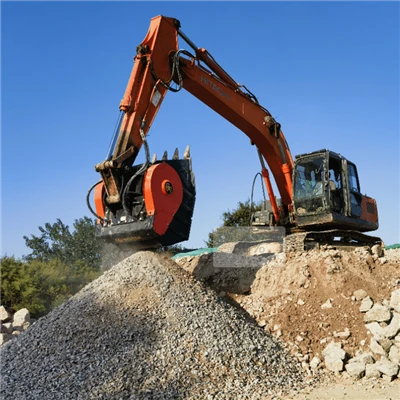
Hey there! As a supplier of rock crusher jaws, I've been in the thick of this industry for quite a while. One question I get asked a lot is, "What materials are rock crusher jaws usually made of?" Well, let's dive right into it and break down the different materials that are commonly used in making these crucial parts of rock crushers.
1. Manganese Steel
Manganese steel is like the heavy - hitter in the world of rock crusher jaw materials. It's tough as nails and has excellent wear resistance. When you're dealing with hard rocks like granite or basalt, manganese steel jaws can take a beating.
The reason for its toughness lies in its unique structure. When it's subjected to impact and pressure, the surface of the manganese steel work - hardens. This means that as it crushes rocks, the outer layer becomes even stronger, which is super useful for long - term use.
For example, in a large - scale quarry where they're constantly crushing tons of hard rocks every day, manganese steel jaws are a go - to choice. They can withstand the high - stress environment and keep on working efficiently. You can check out our Large Jaw Crusher which often comes equipped with high - quality manganese steel jaws.
2. High - Chrome Iron
High - chrome iron is another popular material for rock crusher jaws. It's known for its high hardness and good abrasion resistance. This material is great for crushing abrasive rocks such as quartzite.


The chromium in high - chrome iron forms hard carbides in the matrix, which gives it its excellent wear - resistant properties. It may not be as tough as manganese steel in terms of withstanding high - impact forces, but when it comes to pure abrasion resistance, it's a top performer.
In a situation where you're dealing with rocks that have a lot of sharp edges and are highly abrasive, high - chrome iron jaws can provide a longer service life compared to some other materials. If you're looking for a crusher that can handle such tough rocks, our Crusher Bucket Mini Excavator might be a good option, and it can be fitted with high - chrome iron jaws.
3. Alloy Steel
Alloy steel is a versatile material for rock crusher jaws. It combines different elements to achieve a balance between hardness, toughness, and wear resistance. By adjusting the composition of the alloy, manufacturers can customize the properties of the steel to suit different applications.
For instance, some alloy steels may have a higher carbon content to increase hardness, while others may have added elements like nickel or molybdenum to improve toughness. This makes alloy steel a great choice for a wide range of crushing tasks, from medium - hard rocks to softer materials.
Alloy steel jaws are often used in smaller - scale crushing operations or in situations where the crushing requirements are not as extreme. Our Digger Crusher Bucket can be outfitted with alloy steel jaws, which are well - suited for various on - site crushing needs.
4. Composite Materials
In recent years, composite materials have started to make their mark in the rock crusher jaw industry. These materials are made by combining different substances, such as polymers and ceramics, to create a material with unique properties.
Composite materials can offer advantages like lightweight and corrosion resistance. They can also be designed to have good wear resistance in certain environments. For example, in a wet or corrosive environment where traditional metal jaws may rust or corrode quickly, composite jaws can be a better alternative.
However, composite materials may not be as strong as some of the metal options when it comes to high - stress crushing applications. But for specific niche markets or less demanding crushing jobs, they can be a cost - effective and practical choice.
Factors Affecting Material Selection
When choosing the material for rock crusher jaws, several factors come into play.
Type of Rock: As I've mentioned before, the hardness and abrasiveness of the rock being crushed are crucial. Harder rocks like granite will require tougher materials like manganese steel, while softer rocks can be handled by alloy steel or even some composite materials.
Crushing Capacity: If you have a high - volume crushing operation, you'll need jaws that can withstand continuous use and high - stress conditions. Manganese steel or high - chrome iron would be more suitable in this case. On the other hand, for small - scale or intermittent crushing, alloy steel or composite jaws may be sufficient.
Operating Environment: The environment where the crusher is located also matters. In a wet or corrosive environment, corrosion - resistant materials like composite materials or some alloy steels with anti - corrosion properties are preferred. In a dusty environment, wear - resistant materials are a must.
Our Product Offerings
As a supplier of rock crusher jaws, we understand the importance of providing the right material for the job. We offer a wide range of rock crusher jaws made from all the materials I've mentioned above. Whether you need manganese steel jaws for heavy - duty crushing, high - chrome iron jaws for abrasive rocks, alloy steel jaws for general - purpose use, or composite jaws for special environments, we've got you covered.
Our team of experts can help you select the most suitable jaw material based on your specific requirements. We take pride in providing high - quality products that are built to last. If you're in the market for rock crusher jaws, don't hesitate to get in touch with us. We're here to answer all your questions and guide you through the selection process.
Conclusion
In conclusion, the choice of material for rock crusher jaws depends on various factors, including the type of rock, crushing capacity, and operating environment. Manganese steel, high - chrome iron, alloy steel, and composite materials all have their own advantages and are suitable for different applications.
As a reliable supplier, we're committed to offering top - notch rock crusher jaws that meet your needs. Whether you're running a large - scale quarry or a small - scale construction site, we can provide the right solution for you. So, if you're interested in purchasing rock crusher jaws, feel free to reach out to us. We're eager to work with you and help you find the perfect jaws for your crusher.
References
- "Materials Science and Engineering: An Introduction" by William D. Callister Jr. and David G. Rethwisch
- Industry reports on rock crushing equipment and materials