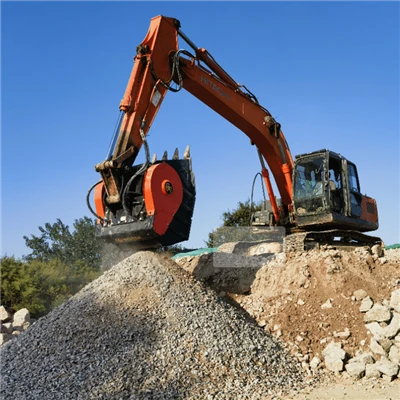
In the realm of construction and environmental management, the use of soil mixing machines has emerged as a topic of significant interest. As a supplier of soil mixing machines, I've witnessed firsthand the transformative impact these machines can have on various projects. But the question remains: Are there any environmental benefits of using a soil mixing machine? In this blog, we'll delve into the scientific aspects and real - world applications to explore the positive environmental implications of these powerful tools.
Soil Remediation and Contaminant Stabilization
One of the most notable environmental benefits of soil mixing machines is their ability to remediate contaminated soil. Contaminated soil can pose a serious threat to human health and the environment, as pollutants can leach into groundwater, contaminate nearby water bodies, and affect plant and animal life. Soil mixing machines play a crucial role in the process of in - situ soil remediation.
These machines can thoroughly blend soil with various amendments such as lime, cement, or other chemical agents. When these amendments are mixed with contaminated soil, they can chemically react with the contaminants. For example, heavy metals in the soil can be immobilized through processes like precipitation, adsorption, and ion exchange. This reduces the mobility of the contaminants, preventing them from spreading further into the environment. By treating the soil on - site using a soil mixing machine, we can avoid the need to transport large volumes of contaminated soil to off - site landfills, which not only saves energy associated with transportation but also reduces the risk of spillage during transit.
The Mass Soil Mixing technique, in particular, is highly effective in large - scale soil remediation projects. It allows for the uniform mixing of soil and amendments over a large area, ensuring that the remediation process is comprehensive and efficient.
Soil Stabilization for Erosion Control
Soil erosion is a major environmental concern that can lead to the loss of fertile topsoil, sedimentation in waterways, and degradation of natural habitats. Soil mixing machines can be used to stabilize soil and prevent erosion. By mixing soil with binders such as polymers or cementitious materials, the soil's strength and cohesion are increased.
Stabilized soil is less likely to be washed away by rain or wind. This is especially important in areas prone to erosion, such as construction sites, steep slopes, and riverbanks. Instead of allowing the topsoil to erode and end up in water bodies, where it can cause sedimentation and harm aquatic ecosystems, soil mixing machines can be used to create a more stable soil structure.
For instance, in construction projects, exposed soil areas can be quickly stabilized using a Soil Mixing Tool. This not only protects the environment but also helps in meeting regulatory requirements regarding erosion control.
Reducing the Need for Aggregate Extraction
In many construction projects, large amounts of natural aggregates such as sand and gravel are used. The extraction of these aggregates from quarries can have a significant environmental impact, including habitat destruction, soil erosion, and water pollution. Soil mixing machines offer an alternative solution by enabling the reuse of existing soil on - site.
By mixing soil with appropriate additives, the soil can be transformed into a material with properties similar to traditional aggregates. This can be used for various construction purposes, such as road bases, embankments, and foundation backfills. For example, a Mixer can blend soil with fly ash or other industrial by - products to create a sustainable and cost - effective construction material.
This reduces the demand for virgin aggregates, conserving natural resources and minimizing the environmental footprint associated with aggregate extraction. Moreover, reusing on - site soil also reduces the need for landfill space, as less soil is discarded as waste.


Energy Efficiency and Carbon Footprint Reduction
Modern soil mixing machines are designed with energy efficiency in mind. These machines are equipped with advanced engines and control systems that optimize fuel consumption. Compared to traditional methods of soil treatment and construction, which may involve multiple passes of different equipment or extensive transportation, soil mixing machines can perform the required tasks in a more streamlined and energy - efficient manner.
In addition, as mentioned earlier, by treating soil on - site and reducing the need for off - site transportation, the carbon emissions associated with a project are significantly reduced. This is in line with the global efforts to combat climate change and reduce greenhouse gas emissions.
Case Studies: Real - World Impact
Let's take a look at some real - world examples to illustrate the environmental benefits of using soil mixing machines. In a large - scale industrial site remediation project, the use of a soil mixing machine for in - situ soil treatment saved an estimated 50% of the energy that would have been consumed if the contaminated soil had been transported to an off - site landfill. The project also reduced the carbon emissions associated with transportation by a significant margin.
In another case, a construction company used a soil mixing machine to stabilize the soil on a steep slope near a river. This prevented soil erosion and sedimentation in the river, protecting the aquatic ecosystem and reducing the need for costly post - construction erosion control measures.
Conclusion
In conclusion, the environmental benefits of using a soil mixing machine are substantial. From soil remediation and erosion control to reducing the need for aggregate extraction and minimizing energy consumption, these machines offer a sustainable solution for various construction and environmental management projects.
As a supplier of soil mixing machines, I am committed to providing high - quality equipment that not only meets the technical requirements of our clients but also contributes to a greener and more sustainable future. If you are interested in learning more about our soil mixing machines or would like to discuss a specific project, I encourage you to reach out. We are here to assist you in finding the most suitable solution for your needs and to help you achieve your environmental and construction goals.
References
- "Soil Remediation Technologies: An Overview" by Environmental Protection Agency
- "Erosion Control and Soil Stabilization" in the Journal of Geotechnical and Geoenvironmental Engineering
- "Sustainable Construction Materials: Reusing Soil in Construction Projects" by the International Journal of Sustainable Construction