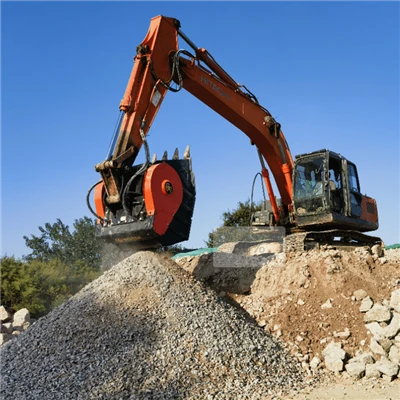
Hey there! As a supplier of the Best Screening Bucket, I often get asked about the recommended operating speed for these nifty tools. So, I thought I'd sit down and write this blog to share some insights on the topic.
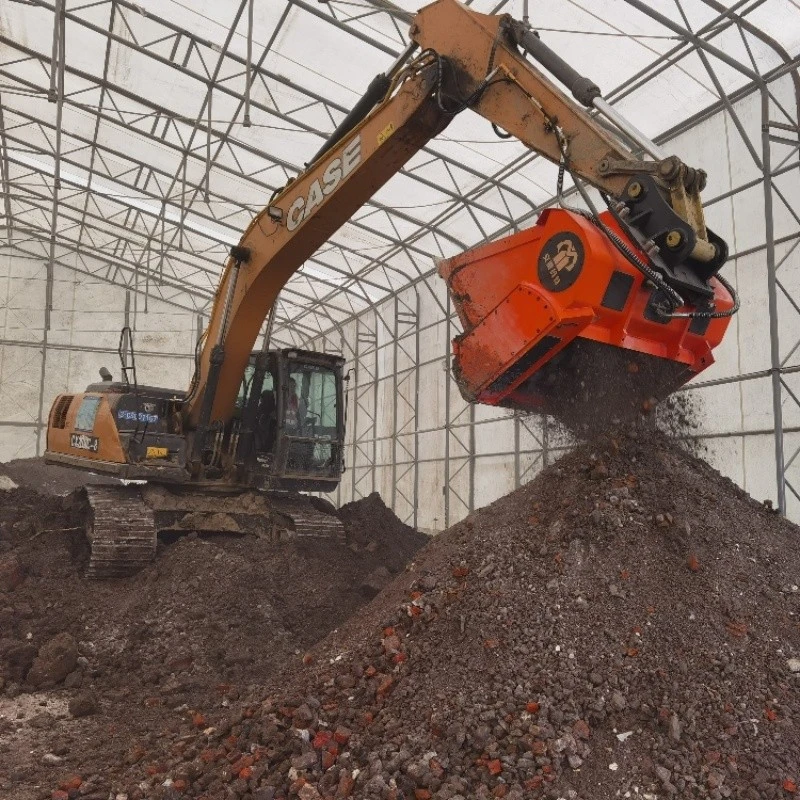
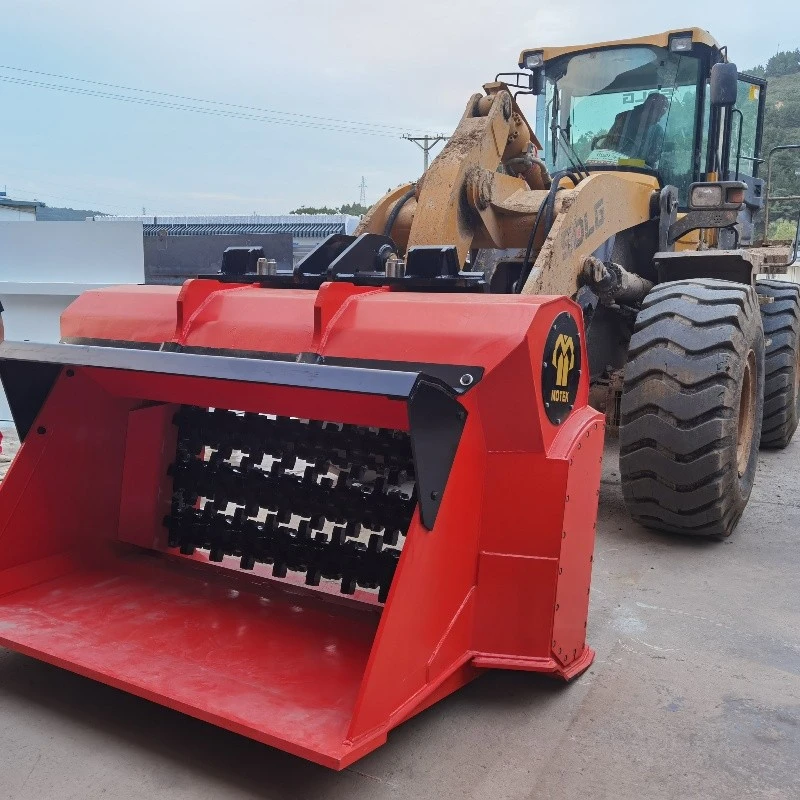
First off, let's talk a bit about what a screening bucket is. A screening bucket, also known as a Screening Bucket Attachment, is a versatile piece of equipment that can be attached to various types of heavy machinery like excavators, skid steers, and loaders. It's used to separate different sizes of materials, such as soil, gravel, and debris. You can find different types of screening buckets, like the Screener Bucket for Skid Steer and the Topsoil Screening Bucket, each designed for specific applications.
Now, getting to the main question - what's the recommended operating speed? Well, it's not a one-size-fits-all answer. The ideal operating speed depends on several factors.
Factors Affecting the Operating Speed
1. Material Type
The type of material you're screening plays a huge role. For instance, if you're screening fine topsoil, you can generally operate the screening bucket at a relatively higher speed. Fine materials tend to pass through the screening teeth or meshes more easily, so you can get away with a faster pace. On the other hand, if you're dealing with sticky clay or large, chunky debris, a slower speed is better. Sticky materials can clog the screening elements, and large chunks need more time to be properly sorted. So, for these types of materials, you might want to reduce the speed to ensure efficient screening.
2. Machine Capacity
The capacity of the machine the screening bucket is attached to matters too. Different machines have different power outputs and capabilities. A larger, more powerful excavator can handle a faster operating speed of the screening bucket compared to a smaller skid steer. You need to make sure that the machine can handle the load and the speed without overworking or causing any mechanical issues. If you push the machine beyond its limits, it can lead to premature wear and tear, and even breakdowns.
3. Screening Bucket Design
The design of the screening bucket itself also affects the recommended speed. Some screening buckets have wider spacing between the teeth or larger mesh sizes, which allow for faster material flow. These types of buckets can generally be operated at a higher speed. In contrast, buckets with finer meshes or closer tooth spacing require a slower speed to ensure that the materials are properly screened.
General Guidelines for Operating Speeds
Based on my experience, here are some general guidelines for different scenarios:
For Fine Materials (e.g., Topsoil)
When screening fine topsoil, you can aim for an operating speed of around 30 - 40 cycles per minute. This speed allows the fine particles to quickly pass through the screening elements, and you can get a good amount of material screened in a short period. Just make sure to keep an eye on the output to ensure that the screening is thorough.
For Coarse Materials (e.g., Gravel)
If you're working with gravel, a speed of 20 - 30 cycles per minute is usually a good starting point. Gravel particles are larger and heavier, so they need more time to be sorted. At this speed, the gravel has enough time to move around inside the bucket and separate into different sizes.
For Sticky or Dense Materials (e.g., Clay)
When dealing with sticky clay or other dense materials, it's best to slow down to around 10 - 20 cycles per minute. This slow speed gives the sticky materials a chance to break apart and pass through the screening elements. You may also need to stop occasionally to clean the bucket if the material starts to build up.
Tips for Optimizing the Operating Speed
- Regular Maintenance: Keeping your screening bucket and the attached machine well-maintained is crucial. Make sure to lubricate the moving parts, check for any loose bolts or damaged elements, and clean the bucket after each use. A well-maintained bucket and machine will operate more smoothly and allow you to achieve the optimal operating speed.
- Test Runs: Before starting a large-scale screening job, it's a good idea to do some test runs. Try different operating speeds and see how the material behaves. This will help you find the sweet spot for the specific material and machine combination you're working with.
- Operator Training: Ensure that the operator is properly trained on how to use the screening bucket at the right speed. An experienced operator can make small adjustments on the go based on the material flow and the performance of the machine. They can also spot any potential issues early and take appropriate action.
In conclusion, the recommended operating speed for the Best Screening Bucket depends on multiple factors. By considering the material type, machine capacity, and screening bucket design, and following the general guidelines, you can ensure efficient and effective screening operations.
If you're in the market for a high-quality screening bucket or have any questions about operating speeds or our products, don't hesitate to reach out. We're here to help you make the most of your screening projects. Whether you need a Screening Bucket Attachment, a Screener Bucket for Skid Steer, or a Topsoil Screening Bucket, we've got you covered. Let's start a conversation and see how we can meet your screening needs!
References
- Industry knowledge and experience from years of supplying screening buckets.
- Discussions with operators and contractors in the field.