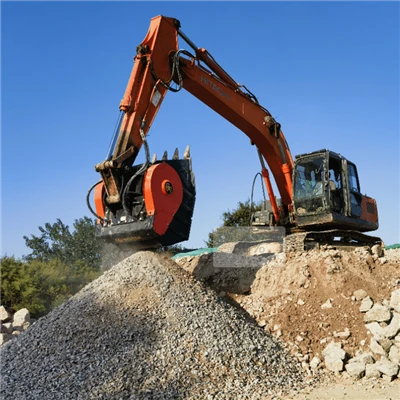
Hey there! As a supplier of soil mixing equipment, I've seen firsthand how crucial fire prevention is when it comes to these machines. In this blog post, I'll be sharing some key fire - prevention measures for soil mixing equipment.
1. Regular Maintenance Checks
First off, regular maintenance is super important. You know, just like you take your car in for a tune - up, soil mixing equipment needs regular check - ups too.
Inspect Electrical Systems
The electrical system of soil mixing equipment can be a major fire hazard. Over time, wires can fray, connections can loosen, and electrical components can overheat. That's why it's essential to inspect the wiring regularly. Look for any signs of wear and tear, like exposed wires or burnt insulation. Check all the electrical connections to make sure they're tight. Loose connections can cause arcing, which can easily start a fire.
Also, pay attention to the electrical panels and switches. Make sure they're clean and free from dust and debris. Dust can act as an insulator and cause components to overheat. If you notice any issues during your inspection, don't try to fix them yourself unless you're a trained professional. Instead, get in touch with a qualified electrician.
Check Hydraulic Systems
Hydraulic systems in soil mixing equipment are another area to watch. Hydraulic fluid is highly flammable, so any leaks can be extremely dangerous. Inspect the hydraulic hoses and fittings regularly for signs of leaks, such as wet spots or puddles of fluid. If you find a leak, shut down the equipment immediately and have it repaired.
The hydraulic pumps and motors also need to be in good working condition. Make sure they're properly lubricated and cooled. Overheating hydraulic components can cause the fluid to break down and increase the risk of fire.
2. Keep the Work Area Clean
A clean work area is a safer work area. Soil mixing equipment can generate a lot of dust and debris during operation. This dust can accumulate on the equipment and in the surrounding area.
Remove Combustible Materials
Get rid of any combustible materials near the soil mixing equipment. This includes things like paper, cardboard, and sawdust. These materials can easily catch fire if there's a spark or an overheated component. Make sure the area around the equipment is clear and well - ventilated.
Clean the Equipment Regularly
Regularly clean the soil mixing equipment itself. Use a brush or a compressed air gun to remove dust and debris from the surfaces, especially around the engine and electrical components. A build - up of dust can act as an insulator and cause the equipment to overheat. Pay special attention to the cooling fins of the engine and the radiator. If these are clogged with dust, the engine can overheat, increasing the risk of fire.
3. Use the Right Fuel and Lubricants
Using the correct fuel and lubricants is essential for fire prevention.
Choose the Right Fuel
Make sure you're using the fuel recommended by the manufacturer for your soil mixing equipment. Using the wrong type of fuel can cause the engine to malfunction and increase the risk of fire. For example, using a fuel with a lower octane rating than recommended can cause knocking and overheating in the engine.
Store the fuel in a proper storage container. These containers should be made of approved materials and have proper ventilation. Keep the fuel away from heat sources and open flames.
Use Quality Lubricants
Quality lubricants are important for the smooth operation of the soil mixing equipment. They also help to prevent overheating. Use lubricants that are specifically designed for the equipment and meet the manufacturer's specifications.
Regularly check the lubricant levels and change the lubricants at the recommended intervals. Old or dirty lubricants can cause increased friction and heat, which can lead to fire.
4. Install Fire - Prevention Devices
Installing fire - prevention devices can provide an extra layer of protection.
Fire Extinguishers
Have a fire extinguisher nearby at all times when operating the soil mixing equipment. Make sure the fire extinguisher is the right type for the potential fires in the area. For example, a dry chemical fire extinguisher is suitable for most types of fires in soil mixing equipment, including electrical and flammable liquid fires.
Train the operators on how to use the fire extinguisher properly. They should know how to pull the pin, aim at the base of the fire, squeeze the handle, and sweep from side to side.
Fire Suppression Systems
Consider installing a fire suppression system on the soil mixing equipment. These systems can automatically detect a fire and release a fire - suppressing agent to extinguish it. There are different types of fire suppression systems available, such as foam - based and dry chemical - based systems. Choose a system that's appropriate for your equipment and the type of fires it may be exposed to.
5. Train the Operators
Well - trained operators are key to fire prevention.

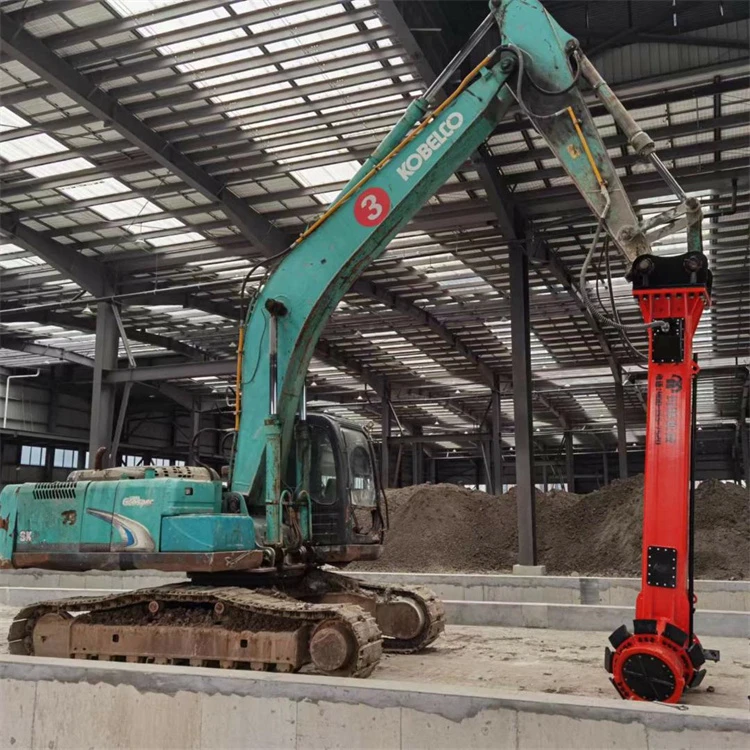
Provide Fire - Safety Training
Make sure all operators of the soil mixing equipment receive comprehensive fire - safety training. This training should cover topics such as how to prevent fires, what to do in case of a fire, and how to use fire - prevention devices.
The operators should know the signs of a potential fire, such as unusual noises, smells, or smoke. They should also know how to shut down the equipment safely in case of an emergency.
Encourage Safety Awareness
Encourage the operators to be safety - conscious at all times. Remind them of the importance of following the fire - prevention measures and report any potential safety issues immediately.
6. Follow Manufacturer's Guidelines
The manufacturer of the soil mixing equipment provides guidelines for safe operation and maintenance. These guidelines are based on extensive testing and research, so it's important to follow them.
Read the Manual
Read the equipment manual thoroughly before operating the soil mixing equipment. The manual will provide information on the proper use of the equipment, maintenance schedules, and fire - prevention measures.
Adhere to Maintenance Schedules
Stick to the maintenance schedules recommended by the manufacturer. This includes things like oil changes, filter replacements, and inspections. Regular maintenance helps to keep the equipment in good working condition and reduces the risk of fire.
7. Consider the Environment
The environment in which the soil mixing equipment is used can also affect fire safety.
Avoid High - Risk Areas
Avoid using the soil mixing equipment in high - risk areas, such as areas with a lot of flammable materials or in extremely hot and dry conditions. If you have to operate the equipment in these areas, take extra precautions, such as increasing the frequency of inspections and having additional fire - prevention equipment on hand.
Provide Adequate Ventilation
Make sure the equipment has adequate ventilation, especially when it's operating in an enclosed space. Proper ventilation helps to prevent the build - up of heat and fumes, reducing the risk of fire.
If you're interested in learning more about soil mixing equipment and related topics, you can check out these links: Soil Decontamination, Soil Mixing Tool, and Soil Improvement System.
As a soil mixing equipment supplier, we're committed to providing high - quality equipment and ensuring the safety of our customers. If you're in the market for soil mixing equipment or have any questions about fire prevention, feel free to reach out to us. We'd be happy to have a chat and help you find the right solutions for your needs.
References
- Manufacturer's manuals for soil mixing equipment
- Industry safety standards and guidelines for construction equipment