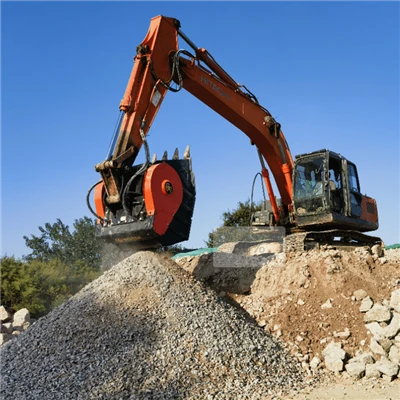
The operation temperature range of rock crusher jaws is a crucial factor that significantly impacts their performance, durability, and overall efficiency. As a supplier of rock crusher jaws, understanding these temperature dynamics is essential for providing high - quality products and ensuring customer satisfaction.
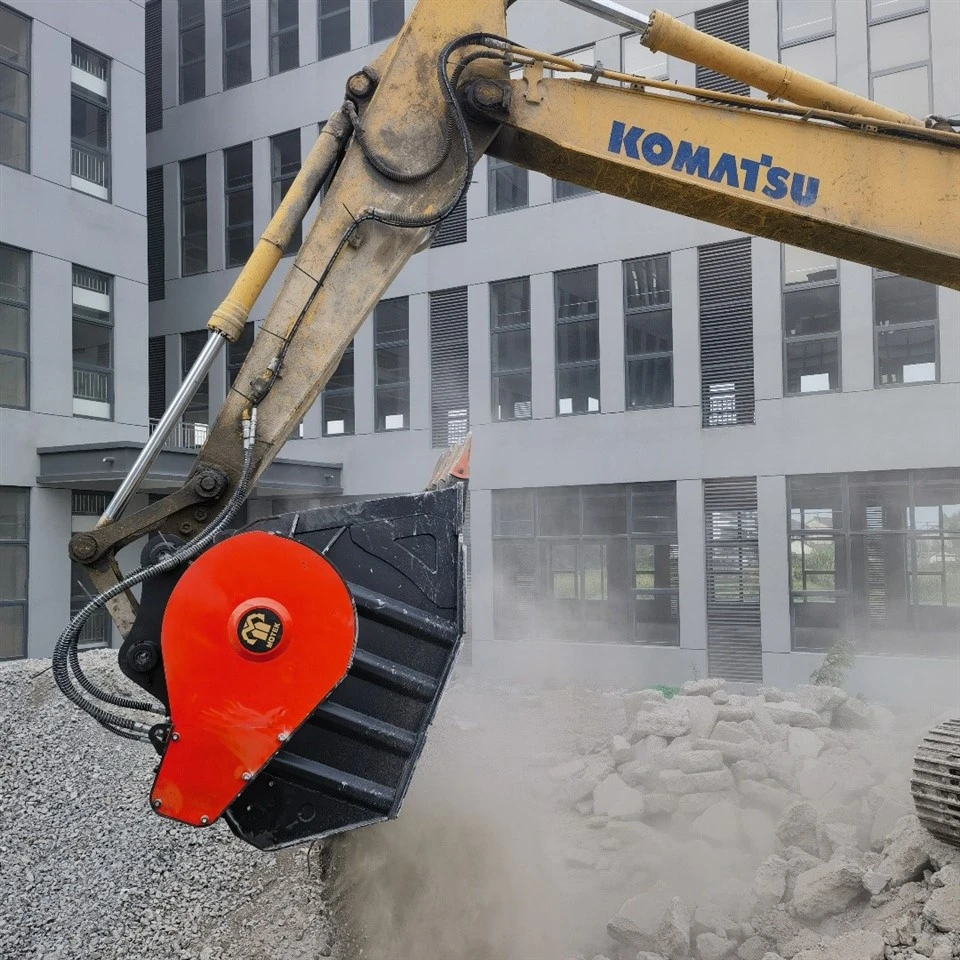
Importance of Temperature in Rock Crusher Jaws
Rock crusher jaws are subjected to extreme mechanical forces during the crushing process. These forces generate heat due to friction between the jaws and the rocks being crushed, as well as internal friction within the materials of the jaws themselves. Temperature variations can affect the mechanical properties of the jaw materials, such as hardness, toughness, and wear resistance.

At high temperatures, the metal in the crusher jaws can start to lose its hardness. This softening effect can lead to increased wear and deformation of the jaws, reducing their ability to crush rocks effectively. On the other hand, extremely low temperatures can make the jaw materials brittle, increasing the risk of cracking and fracture. Therefore, maintaining the operation temperature within an appropriate range is vital for the long - term performance of the rock crusher jaws.
Typical Operation Temperature Range
The typical operation temperature range for rock crusher jaws generally falls between - 20°C to 80°C (- 4°F to 176°F). However, this range can vary depending on several factors, including the type of rock being crushed, the crushing speed, and the design and material of the crusher jaws.
-
Low - Temperature Limit: At temperatures below - 20°C, the risk of brittle fracture becomes a significant concern. Most metal alloys used in rock crusher jaws experience a decrease in ductility as the temperature drops. This means that the material is less able to deform plastically under stress and is more likely to crack. For example, in cold climates or during winter operations, special precautions need to be taken to ensure that the crusher jaws do not experience excessive cold - induced damage.

-
High - Temperature Limit: When the temperature exceeds 80°C, the hardness of the jaw materials begins to decline. This can cause accelerated wear, as the softer surface is more easily abraded by the rocks. High temperatures can also lead to thermal expansion of the jaws, which may affect the alignment and clearance within the crusher, potentially causing mechanical issues.

Factors Affecting the Operation Temperature
Type of Rock
Different types of rocks have different hardness and abrasiveness levels. Harder and more abrasive rocks, such as granite and quartzite, require more energy to crush. This increased energy consumption leads to higher frictional forces and, consequently, more heat generation. So, when crushing these types of rocks, the operation temperature of the crusher jaws is likely to be higher compared to crushing softer rocks like limestone.
Crushing Speed
The speed at which the crusher operates also has a significant impact on the temperature. Faster crushing speeds mean more frequent impacts between the jaws and the rocks, resulting in greater frictional heat. Operators need to balance the crushing speed to ensure that the temperature does not exceed the safe range. For example, in continuous high - speed operation, the heat build - up can be substantial, and it may be necessary to introduce cooling mechanisms or take breaks to allow the jaws to cool down.
Jaw Material and Design
The material and design of the rock crusher jaws play a crucial role in determining their temperature resistance. High - quality alloys with good heat - resistant properties can withstand higher temperatures without significant loss of hardness. Additionally, well - designed jaws with efficient heat dissipation features, such as fins or channels, can help keep the temperature within the acceptable range.
Monitoring and Controlling the Temperature
To ensure the optimal performance of rock crusher jaws, it is essential to monitor and control the operation temperature. Temperature sensors can be installed on the jaws or in the crusher housing to provide real - time temperature readings. Operators can use this data to adjust the crushing parameters, such as speed and feed rate, to prevent overheating.
In some cases, cooling systems may be employed to maintain the temperature within the desired range. Water - cooled or air - cooled systems can be used to dissipate the heat generated during the crushing process. For example, water - cooled jackets can be installed around the crusher jaws to absorb and carry away the excess heat.
Impact on Product Lifespan and Performance
Maintaining the operation temperature within the appropriate range has a direct impact on the lifespan and performance of rock crusher jaws. When the temperature is well - regulated, the jaws experience less wear and damage, resulting in a longer service life. This not only reduces the replacement cost for the end - user but also minimizes downtime due to jaw replacement.
In terms of performance, properly - temperature - controlled jaws can crush rocks more efficiently. They maintain their hardness and shape, ensuring consistent crushing force and particle size distribution. This leads to higher - quality crushed products, which are more desirable in various industries, such as construction and mining.
Our Offerings as a Rock Crusher Jaws Supplier
As a leading supplier of rock crusher jaws, we understand the importance of temperature management in the performance of our products. We offer a wide range of rock crusher jaws made from high - quality alloys that are specifically designed to withstand a broad temperature range. Our jaws are engineered to provide excellent heat dissipation, reducing the risk of overheating and premature wear.
We also provide comprehensive technical support to our customers. Our team of experts can assist in selecting the right type of jaws based on the specific application, including the type of rock to be crushed and the expected operating conditions. We can offer advice on temperature monitoring and control strategies to ensure the long - term reliability of our products.
If you are looking for other related products, we also have a variety of options available. For example, you can check out our Concrete Crusher Bucket for Excavator, Excavator Jaw Bucket, and Crusher Bucket Attachment. These products are designed to work in harmony with our rock crusher jaws, providing a complete solution for your crushing needs.
Contact Us for Purchase and Consultation
If you are interested in our rock crusher jaws or have any questions regarding the operation temperature range or other technical aspects, we encourage you to contact us. Our sales team is ready to discuss your requirements in detail and provide you with a customized solution. Whether you are in the construction, mining, or recycling industry, we can offer the products and support you need to achieve optimal crushing performance.
References
- Smith, J. (2018). "Temperature Effects on Metal Alloys in Heavy Machinery". Journal of Industrial Materials Science.
- Brown, A. (2019). "Optimizing Rock Crushing Processes: Temperature Considerations". Mining and Construction Review.
- Green, C. (2020). "Advanced Cooling Systems for Rock Crushers". Engineering Innovations Magazine.