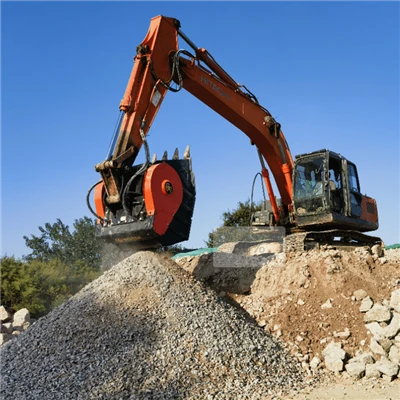
As a leading supplier of rock crusher jaws, I've had the privilege of exploring the unique challenges and performance aspects of these essential components in various environments. One of the most intriguing settings is the high - altitude environment, which presents a distinct set of conditions that can significantly impact the performance of rock crusher jaws.
Understanding the High - Altitude Environment
High - altitude regions are characterized by lower air pressure, reduced oxygen levels, and extreme temperature variations. These factors can have a cascading effect on the operation of rock crusher jaws. Lower air pressure means that the engine of the equipment powering the crusher may not perform as efficiently as it does at sea - level. The reduced oxygen supply can lead to incomplete combustion in the engine, resulting in decreased power output. This, in turn, can affect the force with which the rock crusher jaws operate.
Temperature variations in high - altitude areas are also a major concern. During the day, the sun can heat up the equipment, causing thermal expansion of the metal components. At night, the temperature can drop drastically, leading to contraction. These repeated cycles of expansion and contraction can cause stress on the rock crusher jaws, potentially leading to premature wear and even cracking.
Impact on Material Properties
The materials used in rock crusher jaws are carefully selected to withstand high levels of stress and abrasion. However, in a high - altitude environment, the properties of these materials can be altered. For example, the lower air pressure can affect the cooling rate of the metal during the manufacturing process. This can lead to changes in the microstructure of the material, making it more brittle or less resistant to wear.

The extreme temperature variations can also cause changes in the hardness and toughness of the rock crusher jaws. As the material expands and contracts, it can develop micro - cracks, which can propagate over time and eventually lead to failure. Additionally, the reduced oxygen levels can affect the oxidation process of the metal. In normal conditions, a thin oxide layer can form on the surface of the crusher jaws, providing some protection against corrosion. In a high - altitude environment, this oxidation process may be disrupted, leaving the jaws more vulnerable to corrosion.
Performance of Rock Crusher Jaws in High - Altitude
When it comes to the actual performance of rock crusher jaws in a high - altitude environment, several key aspects need to be considered. Firstly, the reduced power output of the equipment due to lower air pressure and oxygen levels can lead to slower crushing speeds. This means that the crusher may take longer to process the same amount of rock compared to a sea - level operation.
The increased stress on the jaws due to temperature variations can also lead to more frequent maintenance requirements. The micro - cracks and wear caused by thermal cycling can reduce the efficiency of the crushing process. The jaws may not be able to apply the same amount of force to the rocks, resulting in larger particle sizes in the output. This can be a significant issue for applications where a specific particle size is required.
Another important factor is the durability of the rock crusher jaws. In a high - altitude environment, the combination of lower air pressure, temperature variations, and potential corrosion can significantly reduce the lifespan of the jaws. This means that operators may need to replace the jaws more frequently, which can increase the overall operating costs.
Mitigating the Challenges
As a supplier of rock crusher jaws, we understand the importance of addressing these challenges. One of the ways we do this is by using advanced materials that are specifically designed to withstand the harsh conditions of high - altitude environments. These materials are engineered to have better resistance to thermal stress, corrosion, and wear.
We also recommend regular maintenance and inspection of the rock crusher jaws. This includes checking for signs of wear, cracks, and corrosion. By detecting these issues early, operators can take proactive measures to prevent further damage and ensure the continued performance of the crusher.
In addition, proper equipment selection is crucial. When operating in a high - altitude environment, it's important to choose a crusher that is capable of delivering sufficient power despite the reduced air pressure and oxygen levels. For example, some crushers are designed with turbochargers or other technologies to compensate for the lower air density.
Product Recommendations
At our company, we offer a range of high - quality rock crusher jaws suitable for high - altitude environments. Our Jaw Crusher for Excavator is a popular choice for operators who need a versatile and powerful crushing solution. It is designed to be easily attached to an excavator, allowing for on - site crushing of rocks and other materials.
Our Jaw Rock Crusher is another excellent option. It is built with heavy - duty materials and advanced engineering to provide reliable performance in even the most challenging conditions. Whether you're working in a mountainous region or a high - altitude construction site, this crusher can handle the job.

For those who require a more compact solution, our Crusher Bucket Mini Excavator is an ideal choice. It is specifically designed for use with mini - excavators, making it perfect for small - scale projects in high - altitude areas.
Conclusion
In conclusion, the performance of rock crusher jaws in a high - altitude environment is influenced by a variety of factors, including lower air pressure, reduced oxygen levels, and extreme temperature variations. These factors can have a significant impact on the efficiency, durability, and overall performance of the crusher. However, by using advanced materials, implementing proper maintenance practices, and choosing the right equipment, operators can mitigate these challenges and ensure the smooth operation of their crushing equipment.
If you're interested in learning more about our rock crusher jaws or have any questions about their performance in high - altitude environments, we encourage you to contact us for a detailed discussion. Our team of experts is always ready to provide you with the information and support you need to make the best purchasing decision.
References
- ASTM International. (20XX). Standard Test Methods for Evaluating the Wear Resistance of Materials.
- Machinery's Handbook. (20XX). Industrial Press, Inc.
- ASME. (20XX). Boiler and Pressure Vessel Code.