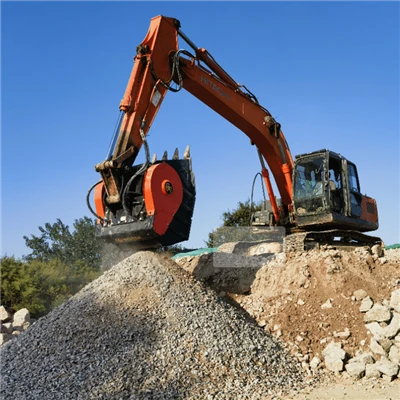
What is the operating temperature range of a soil mixing tool?
As a supplier of soil mixing tools, understanding the operating temperature range of these essential pieces of equipment is crucial for both our customers and the overall success of various soil - related projects. In this blog, we will delve into the factors that influence the operating temperature range of soil mixing tools, the significance of this range, and how it impacts the performance and longevity of the equipment.
Factors Influencing the Operating Temperature Range
The operating temperature range of a soil mixing tool is affected by several key factors. First and foremost, the materials used in the construction of the tool play a vital role. Different metals and alloys have different melting points, thermal expansion coefficients, and resistance to heat - induced wear and tear. For example, high - quality steel alloys are commonly used in the manufacturing of soil mixing heads because they can withstand relatively high temperatures without significant deformation. These alloys are engineered to maintain their strength and integrity even when exposed to the heat generated during the soil mixing process.
Another factor is the type of soil being mixed. Different soils have different thermal properties. Sandy soils, for instance, tend to have lower heat - holding capacities compared to clayey soils. When mixing sandy soils, the heat generated by the friction between the tool and the soil is dissipated more quickly, resulting in lower operating temperatures. On the other hand, clayey soils can retain heat for longer periods, which may cause the temperature of the soil mixing tool to rise more rapidly.
The speed and intensity of the mixing operation also impact the operating temperature. Higher mixing speeds generally generate more friction, which in turn produces more heat. If the tool is operated at a very high speed for an extended period, the temperature can rise beyond the normal operating range, potentially leading to damage to the tool. Additionally, the depth of the soil mixing can affect the temperature. Deeper mixing often requires more power and generates more heat due to the increased resistance from the soil layers.
Significance of the Operating Temperature Range
Maintaining the soil mixing tool within its operating temperature range is of utmost importance for several reasons. Firstly, it ensures the safety of the operators. Excessive heat can cause burns or other injuries if the tool is touched accidentally. Moreover, high temperatures can also lead to the release of harmful fumes or gases from the soil or the lubricants used in the tool, posing a health risk to the workers.
Secondly, the performance of the soil mixing tool is directly related to its operating temperature. When the temperature is within the recommended range, the tool can operate at its optimal efficiency. The cutting edges of the mixing head can maintain their sharpness, and the mechanical components can function smoothly. However, if the temperature exceeds the upper limit of the operating range, the tool may experience reduced performance. For example, the metal parts may expand, causing misalignment and increased wear on the bearings and other moving parts. This can lead to a decrease in the mixing quality and an increase in the energy consumption of the equipment.
Finally, the longevity of the soil mixing tool is greatly affected by the operating temperature. Prolonged exposure to high temperatures can cause premature wear and tear of the components. The heat can cause the metal to become brittle, leading to cracks and fractures. This not only shortens the lifespan of the tool but also increases the maintenance and replacement costs for the users.
Typical Operating Temperature Range
The operating temperature range of a soil mixing tool can vary depending on the specific design and application. Generally, most soil mixing tools are designed to operate within a temperature range of - 20°C to 60°C (- 4°F to 140°F). At lower temperatures, the lubricants used in the tool may thicken, which can affect the smooth operation of the moving parts. Special low - temperature lubricants may be required to ensure proper functioning in cold environments.
In high - temperature environments, the tool may need additional cooling mechanisms. Some advanced soil mixing tools are equipped with cooling systems, such as water - cooled jackets or air - cooling fins, to dissipate the heat generated during operation. These cooling systems help to keep the temperature of the tool within the safe operating range, even in hot climates or during intensive mixing operations.
Impact on Different Applications
The operating temperature range of soil mixing tools has a significant impact on various applications. In Soil Remediation projects, for example, the temperature can affect the chemical reactions involved in the remediation process. Some remediation techniques rely on the activation of certain chemicals at specific temperatures. If the soil mixing tool operates outside the optimal temperature range, these chemical reactions may not occur as expected, leading to ineffective remediation.
In Soil Improvements projects, the temperature can influence the compaction and consolidation of the soil. At lower temperatures, the soil may be more difficult to compact, while at higher temperatures, the soil may dry out too quickly, affecting the long - term stability of the improved soil. The Soil Mixing Head needs to operate within the appropriate temperature range to ensure the desired soil improvement results.
Ensuring Optimal Operating Temperature
To ensure that the soil mixing tool operates within the optimal temperature range, several measures can be taken. Regular maintenance is essential. This includes checking and replacing the lubricants at the recommended intervals, inspecting the cooling systems for any blockages or leaks, and ensuring that the cutting edges of the mixing head are sharp.


Proper training of the operators is also crucial. Operators should be aware of the operating temperature range of the tool and should be able to monitor the temperature during operation. They should know how to adjust the mixing speed and other operating parameters to prevent overheating.
In addition, the environmental conditions should be considered when planning a soil mixing project. If the project is to be carried out in a very cold or very hot climate, appropriate precautions should be taken. For example, in cold climates, the tool can be pre - heated before operation, and in hot climates, the operation can be scheduled during the cooler parts of the day.
Conclusion
In conclusion, understanding the operating temperature range of a soil mixing tool is essential for the success of soil - related projects. The operating temperature is influenced by factors such as the materials of the tool, the type of soil, the mixing speed, and the depth of mixing. Maintaining the tool within its operating temperature range ensures safety, optimal performance, and a long lifespan. Whether it is for Soil Remediation, Soil Improvements, or other applications, proper temperature management is key.
If you are in need of high - quality soil mixing tools that are designed to operate efficiently within a wide temperature range, we are here to assist you. Our team of experts can provide you with detailed information about our products and help you select the right tool for your specific project. Contact us today to start the procurement and negotiation process, and let us work together to achieve your soil - related goals.
References
- ASTM International. (Year). Standard test methods for soil properties. ASTM.
- Geotechnical Engineering Handbook. (Year). Publisher.
- Manufacturer's manuals for soil mixing tools.