As a supplier of large jaw crushers, I understand the importance of noise reduction in industrial settings. Large jaw crushers are powerful machines used in various industries, such as mining, construction, and recycling, to break down large rocks and materials into smaller, more manageable sizes. However, these machines can generate significant noise levels, which can not only be a nuisance to workers and nearby residents but also pose potential health risks. In this blog post, I will discuss some effective noise reduction measures for large jaw crushers.
Understanding the Noise Sources in Large Jaw Crushers
Before we delve into the noise reduction measures, it is essential to understand the primary sources of noise in large jaw crushers. The main sources of noise in these machines include:
- Mechanical Vibration: The movement of the crusher's components, such as the jaws, eccentric shaft, and flywheel, generates mechanical vibrations that can produce noise.
- Impact and Collision: When the rocks or materials are crushed between the jaws, there is a significant impact and collision, which creates a loud noise.
- Airflow and Exhaust: The airflow generated by the crusher's motor and the exhaust system can also contribute to the overall noise level.
Noise Reduction Measures
1. Enclosure and Soundproofing
One of the most effective ways to reduce noise from large jaw crushers is to enclose the machine in a soundproof enclosure. The enclosure acts as a barrier, preventing the noise from escaping into the surrounding environment. The enclosure can be made of materials such as steel, fiberglass, or acoustic panels, which are designed to absorb and dampen the sound waves.
When designing the enclosure, it is important to ensure that it is properly sealed to prevent any air leaks, which can reduce the effectiveness of the soundproofing. Additionally, the enclosure should have access doors and windows for maintenance and inspection purposes.
2. Vibration Isolation
As mentioned earlier, mechanical vibration is one of the primary sources of noise in large jaw crushers. To reduce the vibration and subsequent noise, vibration isolation mounts can be used. These mounts are designed to absorb and dampen the vibrations, preventing them from being transmitted to the surrounding structure.
Vibration isolation mounts can be made of materials such as rubber, polyurethane, or spring steel. They are typically installed between the crusher and its foundation or support structure. By reducing the vibration, the noise level can be significantly reduced.
3. Lubrication and Maintenance
Proper lubrication and maintenance of the crusher's components are essential for reducing noise. Lubrication helps to reduce friction between the moving parts, which can minimize the mechanical vibration and noise. It is important to use the correct type and amount of lubricant as recommended by the manufacturer.
Regular maintenance, including inspection, cleaning, and replacement of worn-out parts, can also help to ensure that the crusher is operating smoothly and quietly. Loose or damaged parts can cause excessive vibration and noise, so it is important to address any issues promptly.
4. Design Optimization
The design of the large jaw crusher can also have a significant impact on the noise level. Manufacturers can optimize the design of the crusher to reduce noise by using advanced engineering techniques. For example, the shape and size of the jaws can be designed to minimize the impact and collision forces, which can reduce the noise generated during the crushing process.
Additionally, the use of advanced materials and manufacturing processes can help to improve the overall performance and reduce the noise level of the crusher. For instance, using high-strength and low-noise materials for the crusher's components can help to reduce the noise generated by mechanical vibration.
5. Operator Training
Proper operator training is crucial for reducing noise from large jaw crushers. Operators should be trained on how to operate the crusher correctly, including starting and stopping the machine, adjusting the settings, and performing routine maintenance. By operating the crusher correctly, the noise level can be minimized.


Operators should also be aware of the potential health risks associated with noise exposure and should be provided with appropriate personal protective equipment (PPE), such as earplugs or earmuffs.
Related Products
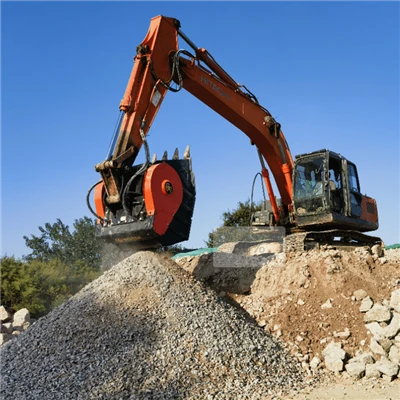
In addition to large jaw crushers, we also offer a range of other crusher products, including Skid Steer Rock Crusher, Pile Crusher, and Excavator Crusher Bucket. These products are designed to provide efficient and reliable crushing solutions for various applications.
Conclusion
Noise reduction is an important consideration when using large jaw crushers. By implementing the noise reduction measures discussed in this blog post, such as enclosure and soundproofing, vibration isolation, lubrication and maintenance, design optimization, and operator training, the noise level can be significantly reduced. This not only helps to create a more comfortable and safe working environment but also minimizes the impact on the surrounding community.
If you are interested in purchasing a large jaw crusher or any of our other crusher products, please feel free to contact us for more information and to discuss your specific requirements. We are committed to providing high-quality products and excellent customer service.
References
- [1] "Noise Control in Industrial Settings," Industrial Noise Control Handbook, Second Edition, edited by C. M. Harris and C. E. Crede.
- [2] "Vibration Isolation and Damping," Vibration Analysis for Engineers, Second Edition, by Robert D. Blevins.
- [3] "Lubrication and Maintenance of Industrial Machinery," Machinery Lubrication Handbook, Third Edition, by Howard S. Rowlands.