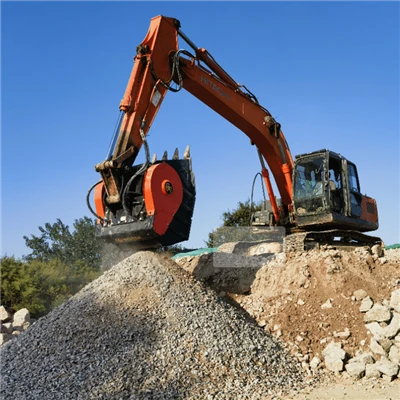
As a supplier of high - quality Jaw Rock Crushers, I am often asked about the feeding method of these powerful machines. Understanding the correct feeding method is crucial for ensuring the efficient and safe operation of a Jaw Rock Crusher. In this blog, I will delve into the details of the feeding method, explaining why it matters and how to do it right.


The Importance of Proper Feeding
Before we dive into the feeding method itself, let's first understand why it is so important. A Jaw Rock Crusher Jaw Rock Crusher works by compressing the rock between a fixed jaw and a moving jaw. If the feeding is not done correctly, it can lead to several problems. For example, uneven feeding can cause the crusher to become unbalanced, leading to excessive wear and tear on the machine parts. This can result in frequent breakdowns and increased maintenance costs. Additionally, improper feeding can also lead to poor crushing performance, producing inconsistent particle sizes and reducing the overall efficiency of the crushing process.
Types of Feeding Systems
There are several types of feeding systems that can be used with a Jaw Rock Crusher. The choice of feeding system depends on various factors such as the type of material being crushed, the size of the crusher, and the production requirements.
Vibrating Feeder
One of the most common feeding systems is the vibrating feeder. This type of feeder uses vibrations to move the material from the hopper to the crusher. The vibrating feeder can be adjusted to control the flow rate of the material, ensuring a consistent and even feed. It is particularly suitable for feeding large - sized rocks and ores. The vibrations help to prevent the material from clogging in the hopper and ensure a smooth flow into the crusher.
Belt Feeder
Another popular feeding system is the belt feeder. Belt feeders are often used when a continuous and uniform feed is required. They consist of a conveyor belt that transports the material from the storage area to the crusher. Belt feeders can handle a wide range of materials and are suitable for both small - and large - scale operations. They are also relatively easy to maintain and can be customized to meet specific production requirements.
Apron Feeder
Apron feeders are heavy - duty feeding systems that are commonly used in mining and quarrying applications. They are designed to handle large and heavy materials. The apron feeder consists of a series of overlapping plates that move the material forward. Apron feeders can provide a high - capacity feed and are capable of withstanding high impact forces.
Feeding Considerations for Different Materials
The feeding method also needs to be adjusted based on the type of material being crushed. Different materials have different properties, such as hardness, density, and moisture content, which can affect the feeding process.
Hard and Abrasive Materials
When crushing hard and abrasive materials such as granite and basalt, it is important to ensure that the feeding system can handle the high - impact forces. A vibrating feeder or an apron feeder may be more suitable in this case. These feeders can provide a strong and consistent feed, preventing the material from getting stuck in the crusher. It is also important to control the size of the material being fed. Large chunks of hard material can cause excessive wear on the crusher jaws, so it may be necessary to pre - crush the material to a more manageable size before feeding it into the Jaw Rock Crusher.
Soft and Sticky Materials
Soft and sticky materials, such as clay and some types of coal, can pose challenges during the feeding process. These materials tend to stick to the hopper and the feeder components, causing blockages. To prevent this, a vibrating feeder with a special anti - sticking coating can be used. Additionally, heating elements can be installed in the hopper to reduce the stickiness of the material. The feeding rate may also need to be adjusted to avoid overloading the crusher.
Feeding Safety Precautions
Safety is of utmost importance when it comes to operating a Jaw Rock Crusher. When feeding the crusher, the following safety precautions should be taken:
- Wear Protective Gear: Operators should always wear appropriate protective gear, such as safety glasses, hard hats, and gloves. This can protect them from flying debris and other potential hazards.
- Keep a Safe Distance: Do not stand too close to the crusher while it is being fed. The moving parts of the crusher can cause serious injuries if operators come into contact with them.
- Inspect the Feeding System Regularly: Regular inspections of the feeding system can help to identify any potential problems, such as loose belts or worn - out components. Any issues should be addressed immediately to prevent accidents.
Feeding for Different Types of Jaw Rock Crushers
There are different types of Jaw Rock Crushers, such as the Excavator Jaw Crusher Excavator Jaw Crusher and the Bucket Crusher Concrete Bucket Crusher Concrete. Each type may have specific feeding requirements.
Excavator Jaw Crusher
The Excavator Jaw Crusher is a mobile crusher that can be attached to an excavator. When feeding an Excavator Jaw Crusher, it is important to ensure that the excavator can reach the material easily. The feeding should be done in a way that allows the crusher to work efficiently. The operator needs to control the movement of the excavator to provide a steady and consistent feed of the material.
Bucket Crusher Concrete
The Bucket Crusher Concrete is designed to crush concrete and other construction materials. When using a Bucket Crusher Concrete, the feeding should be adjusted according to the size and type of the concrete pieces. Large concrete blocks may need to be broken into smaller pieces before being fed into the crusher. A vibrating feeder or a belt feeder can be used to ensure a smooth and even feed.
Troubleshooting Feeding Issues
Even with the best - designed feeding systems, problems can still occur. Here are some common feeding issues and how to troubleshoot them:
Clogging
Clogging is a common problem that can occur when the material gets stuck in the hopper or the feeder. To prevent clogging, ensure that the material is properly sized and that the feeder is operating at the correct speed. If clogging does occur, stop the feeder and the crusher immediately. Use appropriate tools to clear the blockage, but make sure to follow all safety procedures.
Uneven Feed
An uneven feed can cause the crusher to operate inefficiently and lead to uneven wear on the crusher jaws. To correct an uneven feed, check the feeder settings. Adjust the flow rate and the vibration intensity of the vibrating feeder or the speed of the belt feeder. Make sure that the material is evenly distributed in the hopper.
Contact Us for More Information
If you are interested in learning more about Jaw Rock Crushers or have any questions regarding the feeding method, please feel free to contact us. Our team of experts is always ready to provide you with detailed information and help you choose the right feeding system for your specific needs. We are committed to providing high - quality crushers and excellent customer service. Whether you are a small - scale operator or a large - scale mining company, we have the solutions to meet your crushing requirements.
References
- "Crushing Equipment Handbook" by John Doe
- "Mining and Quarrying Technology" by Jane Smith
- Industry reports on Jaw Rock Crushers from leading research institutions.