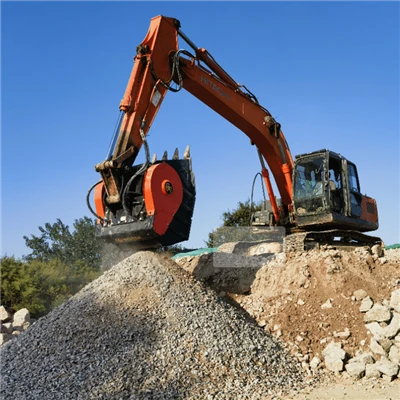
As a supplier of Soil Screener Buckets, one of the most frequently asked questions I encounter is about the energy consumption of these essential pieces of equipment. Understanding the energy consumption of a soil screener bucket is crucial for both cost - effectiveness and environmental considerations. In this blog, I'll delve into the factors that influence the energy consumption of soil screener buckets, how to calculate it, and ways to optimize it.
Factors Affecting Energy Consumption
1. Bucket Size and Design
The size of the soil screener bucket plays a significant role in its energy consumption. Larger buckets generally require more energy to operate. This is because they have a greater mass, and when they are in motion, more power is needed to lift, tilt, and screen the soil. For example, a large - capacity bucket that can hold several cubic meters of soil will need a more powerful hydraulic system to drive its screening mechanism compared to a smaller one.
The design of the bucket also matters. Buckets with complex screening mechanisms, such as those with multiple layers of screens or advanced agitation systems, may consume more energy. These designs are often more effective at separating different soil particles but come at the cost of increased power requirements.
2. Soil Characteristics
The type and condition of the soil being screened are important factors. If the soil is wet, sticky, or contains a high percentage of large rocks and debris, the screener bucket will have to work harder. Wet soil adheres to the screens, making it more difficult for the material to pass through, and the bucket may need to use more energy to shake or agitate the soil to achieve proper screening. Similarly, large rocks and debris require more force to break up or move through the screening process.
On the other hand, dry, loose soil with a uniform particle size is easier to screen, resulting in lower energy consumption. For instance, screening sandy soil will generally use less energy than screening clay - rich soil.


3. Machine Compatibility
The energy consumption of a soil screener bucket is also related to the machine it is attached to. Whether it is a skid - steer loader, excavator, or Wheel Loader Screener, the power output and efficiency of the host machine matter. A well - matched combination of the screener bucket and the machine ensures optimal performance and energy use. If the machine is underpowered for the size and type of the bucket, it may struggle to operate the bucket effectively, leading to increased energy consumption as it tries to compensate.
Calculating Energy Consumption
To calculate the energy consumption of a soil screener bucket, we need to consider several parameters. The primary energy source for most soil screener buckets is the hydraulic system of the host machine. The energy consumption can be estimated based on the hydraulic power requirements of the bucket.
The hydraulic power (P) is calculated using the formula: (P=\frac{\Delta p\times Q}{60}), where (\Delta p) is the pressure difference in the hydraulic system (in bar) and (Q) is the flow rate of the hydraulic fluid (in liters per minute).
The pressure difference is determined by the resistance the bucket encounters during the screening process, which is affected by the factors mentioned above such as soil characteristics and bucket design. The flow rate is related to the speed at which the hydraulic system can supply fluid to the bucket's actuators.
For example, if a soil screener bucket requires a pressure difference of 200 bar and a flow rate of 50 liters per minute, the hydraulic power can be calculated as follows:
(P=\frac{200\times50}{60}\approx166.67) kilowatts
However, this is a simplified calculation, and in real - world scenarios, other losses such as friction in the hydraulic hoses and valves also need to be considered.
Optimizing Energy Consumption
1. Proper Maintenance
Regular maintenance of the soil screener bucket and the host machine is essential for energy efficiency. Keeping the hydraulic system clean, with proper fluid levels and well - maintained filters, reduces friction and pressure losses. This ensures that the hydraulic power is used more effectively. For the bucket itself, checking and replacing worn - out screens and components can prevent the machine from working harder than necessary.
2. Correct Soil Preparation
Pre - treating the soil before screening can significantly reduce energy consumption. If possible, drying wet soil or removing large rocks and debris manually can make the screening process more efficient. For example, using a simple pre - sorting system to separate large objects from the soil can prevent the screener bucket from expending unnecessary energy on trying to break them up.
3. Right Bucket Selection
Choosing the appropriate size and type of soil screener bucket for the job is crucial. If the job only requires screening a small amount of soil, using a large - capacity bucket will result in wasted energy. Selecting a bucket with a design that is suitable for the specific soil type can also improve energy efficiency. For example, if screening fine - grained soil, a bucket with a fine - mesh screen and a gentle agitation system may be more energy - efficient than a heavy - duty bucket designed for large - scale rock screening.
The Importance of Energy - Efficient Soil Screener Buckets
In today's world, where environmental concerns and cost - savings are top priorities, energy - efficient soil screener buckets are highly desirable. Reducing energy consumption not only lowers operating costs for the end - user but also has a positive impact on the environment. By using less fuel or electricity, the carbon footprint associated with the screening process is reduced.
Moreover, energy - efficient equipment often has a longer lifespan and requires less maintenance, which further contributes to cost - savings over the long term. As a supplier, I am committed to providing Screening Buckets and Bucket Screener that are designed with energy efficiency in mind.
Conclusion
The energy consumption of a soil screener bucket is influenced by multiple factors, including bucket size and design, soil characteristics, and machine compatibility. By understanding these factors and taking steps to optimize energy use, such as proper maintenance, soil preparation, and correct bucket selection, users can achieve significant cost - savings and environmental benefits.
If you are in the market for a soil screener bucket and want to learn more about how our products can meet your energy - efficiency needs, I encourage you to reach out. We are here to help you select the right equipment for your specific requirements and ensure that you get the most out of your investment. Contact us today to start a discussion about your soil screening needs and explore the possibilities of our high - quality, energy - efficient soil screener buckets.
References
- "Hydraulic Systems: Principles, Maintenance, and Troubleshooting" by Eugene F. Meyer
- "Soil Mechanics and Foundation Engineering" by B. M. Das
- Industry reports on construction equipment energy efficiency