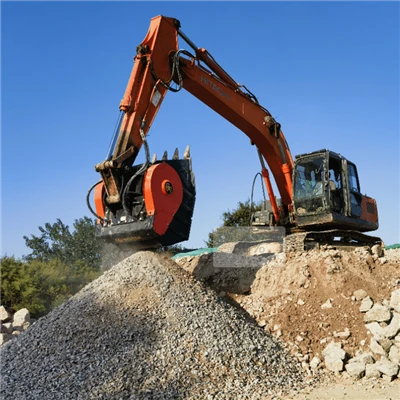
Hey there! As a supplier of Screening Buckets, I've been getting a lot of questions lately about how the shape of screening holes impacts screening performance. So, I thought I'd take a deep dive into this topic and share some insights with you all.
First off, let's talk about why the shape of screening holes matters. The main goal of a screening bucket is to separate materials of different sizes. The shape of the holes determines which particles can pass through and which will be retained. This directly affects the efficiency and accuracy of the screening process.
There are several common shapes of screening holes, each with its own unique characteristics and effects on screening performance.
Round Holes
Round holes are probably the most widely used shape in screening buckets. They're simple, easy to manufacture, and offer a consistent opening size. One of the biggest advantages of round holes is that they provide a uniform flow of material through the screen. Since the opening is the same in all directions, particles are more likely to pass through smoothly, reducing the chances of clogging.
However, round holes do have some limitations. They're not as effective at screening irregularly shaped particles. For example, long, thin pieces of material might get stuck in the round holes, even if their cross - sectional size is smaller than the hole diameter. This can lead to reduced screening efficiency and potentially more downtime for cleaning.
If you're dealing with mostly spherical or cubical particles, a screening bucket with round holes might be a great choice. You can check out our Screening Bucket Attachment which offers options with round holes for a variety of applications.
Square Holes
Square holes offer a different set of advantages. They're better at screening rectangular or square - shaped particles compared to round holes. The straight edges of the square holes allow these particles to align and pass through more easily.
Another benefit of square holes is that they can provide a higher open area compared to round holes of the same nominal size. This means that more material can pass through the screen in a given amount of time, increasing the screening capacity.
But square holes also have their drawbacks. The corners of the square holes can be a point of stress concentration, which might cause the screen to wear out faster in those areas. Also, like round holes, they can still have issues with long, thin particles getting stuck.
Our Screener Bucket for Skid Steer comes with square - hole screen options, which are ideal for applications where you need to screen a mix of regular - shaped particles.
Slot Holes
Slot holes are long, narrow openings. They're extremely effective at screening long, thin particles such as wood chips, fibers, or small rods. The length of the slot allows these particles to pass through lengthwise, while larger or wider materials are retained.
Slot holes also have a high aspect ratio, which means they can be designed to have a very small width while still maintaining a large open area. This makes them suitable for applications where you need to separate fine particles from larger ones.
However, slot holes are more prone to clogging compared to round or square holes. Since the width of the slot is relatively small, any particles that are close to that width can get jammed. Regular maintenance is crucial when using a screening bucket with slot holes.
If you're in the business of top - soil screening, our Topsoil Screening Bucket with slot - hole options can help you separate fine soil from larger debris effectively.
Triangular Holes
Triangular holes are less common but can offer some unique benefits. They can provide a more complex screening pattern compared to round, square, or slot holes. The triangular shape can help break up clumps of material as they pass through the screen, improving the overall screening quality.
The angled sides of the triangular holes can also guide particles towards the opening, reducing the chances of clogging. However, manufacturing triangular holes can be more difficult and expensive compared to other shapes, which might limit their widespread use.
Impact on Screening Efficiency
The shape of the screening holes has a direct impact on screening efficiency. As we've seen, different hole shapes are better suited for different types of materials. Using the right hole shape can increase the amount of material that passes through the screen in a given time, reducing the time and cost of the screening process.
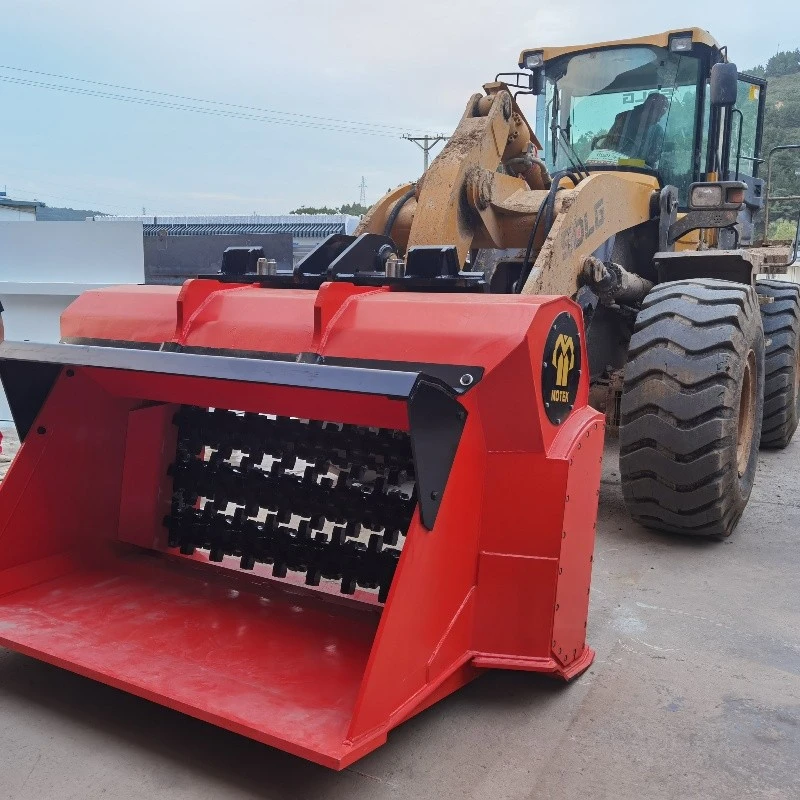
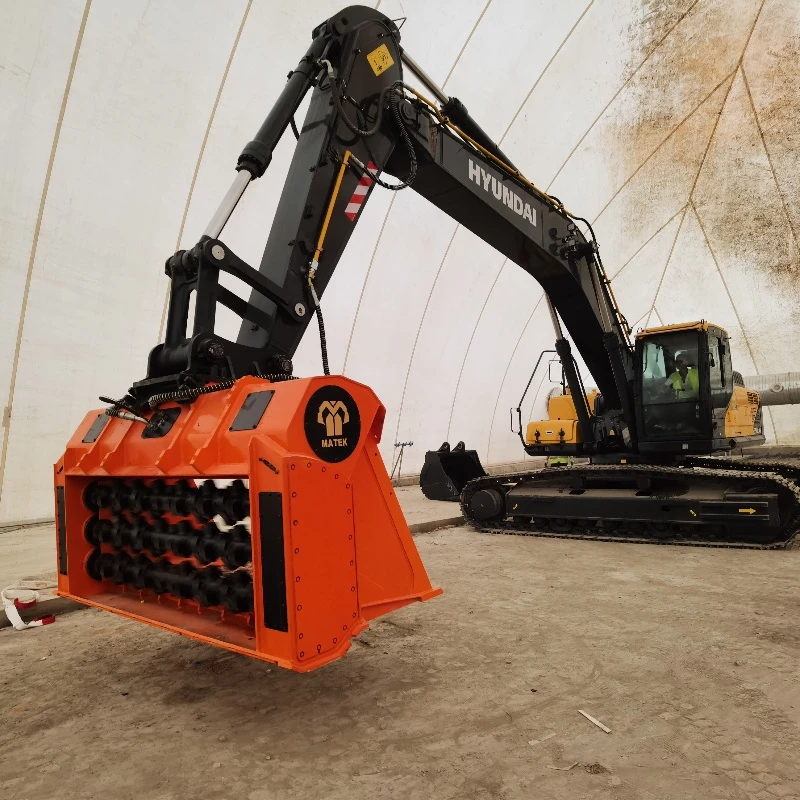
For example, if you choose a hole shape that's not compatible with the material you're screening, you might end up with a lot of material getting stuck in the holes. This not only slows down the screening process but also requires more frequent cleaning and maintenance.
Impact on Particle Size Distribution
The shape of the holes also affects the particle size distribution of the screened material. A well - designed hole shape can ensure that only particles within a certain size range pass through the screen.
For instance, if you want to produce a very uniform particle size, you need to choose a hole shape that can accurately separate particles based on their size. Round holes are generally good for achieving a relatively uniform particle size for spherical or cubical particles, while slot holes can be used to separate long, thin particles into specific size ranges.
Considerations for Choosing the Hole Shape
When choosing the shape of the screening holes for your screening bucket, there are several factors to consider.
- Material Type: As mentioned earlier, the type of material you're screening is the most important factor. If it's mostly spherical, round holes might be best. For rectangular or square particles, square holes could be a better option. And for long, thin materials, slot holes are often the way to go.
- Desired Particle Size Distribution: If you need a very specific particle size distribution, you'll need to select a hole shape that can achieve that.
- Screening Capacity: If you need to screen a large volume of material quickly, you might want to choose a hole shape with a high open area, such as square holes.
- Maintenance Requirements: Some hole shapes, like slot holes, require more frequent maintenance due to their higher clogging potential. Consider how much time and effort you're willing to put into maintenance when making your decision.
In conclusion, the shape of screening holes plays a crucial role in the performance of a screening bucket. By understanding the characteristics of different hole shapes and how they interact with various materials, you can make an informed decision when choosing a screening bucket for your specific application.
If you're interested in learning more about our screening buckets or have any questions about the hole shapes and their suitability for your project, don't hesitate to reach out. We're here to help you find the perfect screening solution for your needs. Whether you're looking for a Screening Bucket Attachment, a Screener Bucket for Skid Steer, or a Topsoil Screening Bucket, we've got you covered. Let's start a conversation and see how we can improve your screening process together.
References
- "Screening Theory and Practice", by R. H. Perry and D. W. Green
- "Handbook of Mineral Processing", by Wills and Napier - Munn