

Hey there! As a supplier in the Mass Soil Mixing business, I've seen firsthand how crucial time-saving strategies are in this field. In today's fast - paced construction world, every minute counts, and being able to mix soil efficiently can make a huge difference in project timelines and costs. So, let's dive into some of the best time - saving strategies in Mass Soil Mixing.
Pre - project Planning
One of the most important time - saving steps happens even before the actual soil mixing begins. Thorough pre - project planning can prevent a lot of delays and inefficiencies during the process.
First off, conduct a detailed site assessment. This includes analyzing the soil type, moisture content, and any potential contaminants. Knowing these factors in advance allows you to choose the right equipment and additives from the start. For instance, if the soil has a high clay content, you might need to adjust the mixing time and the type of stabilizer used. By doing this upfront, you avoid having to make last - minute changes that can slow down the entire project.
Another key aspect of pre - project planning is scheduling. Coordinate with all the stakeholders involved, such as contractors, suppliers, and regulatory bodies. Make sure everyone knows their roles and the timeline for the project. This way, there are no hold - ups due to miscommunication or waiting for other parties to complete their tasks.
Choosing the Right Equipment
The equipment you use for Mass Soil Mixing can have a huge impact on how quickly you can get the job done.
Invest in high - quality mixers. A good Mixer is designed to blend soil and additives evenly and efficiently. Look for mixers with features like adjustable mixing speeds and large capacities. This allows you to customize the mixing process based on the specific requirements of the project and handle large volumes of soil at once.
The Soil Mixing Head is also a critical component. A well - designed soil mixing head can penetrate the soil easily and distribute the additives more effectively. Some soil mixing heads come with advanced technology that can adjust the mixing pattern based on the soil conditions, which saves time by ensuring a more thorough mix in less time.
In addition to the basic mixing equipment, consider using a Soil Improvement System. These systems often integrate multiple functions, such as soil conditioning, mixing, and monitoring. They can streamline the entire soil mixing process and reduce the need for separate equipment and additional steps.
Using the Right Additives
Selecting the appropriate additives for your soil mixing project is essential for saving time.
There are different types of additives available, such as lime, cement, and polymers. Each additive has its own properties and benefits. For example, lime can be used to quickly reduce the moisture content of the soil, which speeds up the mixing process. Cement, on the other hand, can provide long - term strength to the stabilized soil.
Work with a materials expert to determine the best additives for your specific soil type and project requirements. Using the right additives from the start can prevent the need for repeated mixing or additional treatments, which can eat up a lot of time.
Training and Skill Development
Your team's skills and knowledge play a big role in how efficiently you can mix soil.
Provide comprehensive training for your operators. Make sure they are familiar with all the equipment, including how to operate it safely and effectively. Trained operators can optimize the mixing process, such as adjusting the mixing parameters based on the real - time conditions. They can also quickly identify and troubleshoot any issues that arise during the mixing process, which saves a lot of downtime.
Encourage continuous learning and skill development among your team. Keep them updated on the latest technologies and best practices in Mass Soil Mixing. This way, they can always find new ways to improve efficiency and save time on the job.
Process Optimization
Once you have the right equipment, additives, and a trained team, it's time to optimize the actual soil mixing process.
Monitor the mixing process closely. Use sensors and monitoring systems to track parameters like mixing speed, temperature, and moisture content. This data can help you make real - time adjustments to the process. For example, if the moisture content is too high, you can adjust the amount of additive or the mixing time to achieve the desired results more quickly.
Batch mixing can also be a time - saving strategy. Instead of mixing small amounts of soil continuously, batch mixing allows you to mix larger quantities at once. This reduces the number of start - stop cycles, which can save a significant amount of time, especially for large - scale projects.
Maintenance and Upkeep
Regular maintenance of your equipment is crucial for ensuring its efficient operation and saving time in the long run.
Create a maintenance schedule for all your soil mixing equipment. This includes tasks like cleaning, lubricating, and inspecting the equipment regularly. By keeping your equipment in good condition, you can prevent breakdowns and malfunctions that can cause costly delays.
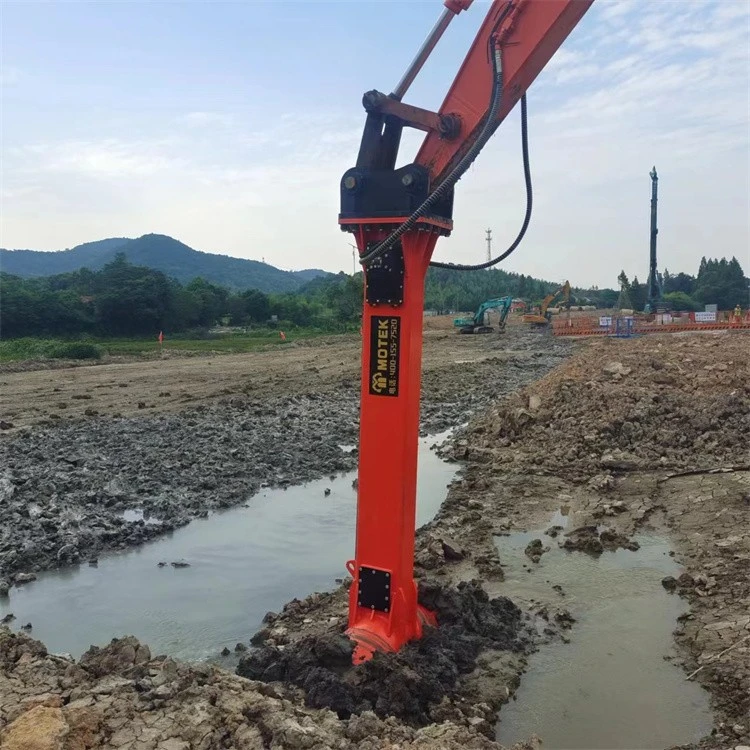

When a piece of equipment does need repairs, have a plan in place to get it fixed as quickly as possible. Keep spare parts on hand and have a reliable repair service that can respond promptly. This way, you can minimize the downtime and get back to mixing soil as soon as possible.
Conclusion
In conclusion, there are many time - saving strategies in Mass Soil Mixing. From pre - project planning and choosing the right equipment to process optimization and maintenance, every step of the process can be optimized to save time and improve efficiency.
If you're in the market for Mass Soil Mixing solutions and want to learn more about how we can help you save time and money on your projects, don't hesitate to reach out. We're here to assist you with all your soil mixing needs and provide you with the best products and services in the industry.
References
- ASTM International. (Year). Standard test methods for soil and rock properties. ASTM Publications.
- FHWA. (Year). Soil stabilization design and construction guidelines. Federal Highway Administration.
- Industry reports on Mass Soil Mixing technologies and best practices.





