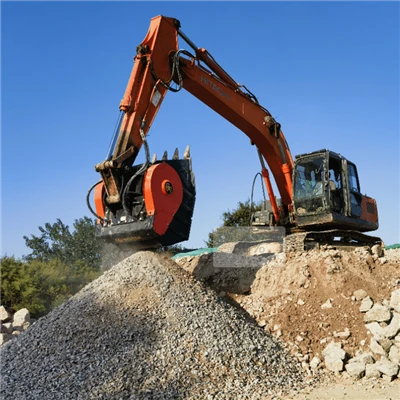
As a trusted supplier of soil mixing equipment, I've witnessed firsthand the crucial role that noise reduction plays in modern construction and environmental projects. Noise pollution is not just a nuisance; it can have significant impacts on workers' health, community relations, and overall project compliance. In this blog, I'll explore the various noise reduction technologies available for soil mixing equipment, sharing insights based on our experience and industry best practices.
Understanding the Noise Sources in Soil Mixing Equipment
Before delving into the noise reduction technologies, it's essential to understand where the noise comes from in soil mixing equipment. The primary sources of noise include the engine, the mixing mechanism, and the hydraulic systems.
The engine, typically a diesel engine in large soil mixing equipment, generates a substantial amount of noise during operation. The combustion process, the movement of pistons, and the exhaust system all contribute to the overall engine noise.
The mixing mechanism, whether it's a paddle mixer, a ribbon mixer, or a high - shear mixer, creates noise as it agitates and blends the soil with additives. The impact of the mixing elements on the soil, the friction between the materials, and the vibration of the mixer structure all add to the noise level.
Hydraulic systems, which are used to power various functions such as the movement of the mixing drum, the lifting of components, and the operation of valves, also produce noise. The flow of hydraulic fluid through pipes, the operation of pumps, and the opening and closing of valves can generate significant noise.
Enclosure Systems
One of the most effective ways to reduce noise from soil mixing equipment is through the use of enclosure systems. Enclosures act as a physical barrier between the noise source and the surrounding environment.
Acoustic Enclosures
Acoustic enclosures are specifically designed to absorb and dampen sound waves. They are typically made of materials with high sound - absorption coefficients, such as fiberglass insulation, acoustic foam, or specialized acoustic panels. These enclosures are built around the engine, the mixing mechanism, or the entire equipment unit.
For example, an acoustic enclosure for the engine can reduce the noise level by up to 20 - 30 decibels (dB). The enclosure is designed to fit snugly around the engine, with sealed joints to prevent sound leakage. It also has ventilation openings with acoustic baffles to allow for proper air circulation while minimizing noise escape.
Weather - Resistant Enclosures
In addition to acoustic properties, enclosures for soil mixing equipment need to be weather - resistant. Since these machines often operate outdoors, the enclosures must be able to withstand rain, snow, sunlight, and extreme temperatures.
Weather - resistant enclosures are made of durable materials such as stainless steel or powder - coated steel. They are designed with proper drainage systems to prevent water accumulation inside the enclosure, which could damage the equipment or reduce the effectiveness of the acoustic insulation.
Vibration Isolation
Vibration is a major contributor to noise in soil mixing equipment. When the equipment vibrates, it transfers the vibration energy to the surrounding structure, which then radiates as noise. Vibration isolation techniques can significantly reduce this noise transmission.
Rubber Mounts
Rubber mounts are commonly used to isolate the engine, the mixing mechanism, and other vibrating components from the equipment frame. These mounts are made of high - quality rubber compounds that have excellent vibration - damping properties.
By placing rubber mounts between the vibrating component and the frame, the vibration energy is absorbed and dissipated, rather than being transferred to the frame and radiating as noise. For example, engine rubber mounts can reduce the vibration - induced noise by up to 10 - 15 dB.
Spring Isolators
Spring isolators are another type of vibration isolation device. They work by providing a flexible connection between the vibrating component and the support structure. Springs can absorb and deflect the vibration energy, reducing the amount of vibration transmitted to the surrounding environment.
Spring isolators are often used in larger soil mixing equipment, where the vibration forces are higher. They can be adjusted to suit the specific weight and vibration characteristics of the equipment, providing optimal vibration isolation.
Mufflers and Silencers
Mufflers and silencers are essential components for reducing exhaust noise from the engine and the noise generated by the air intake system.
Exhaust Mufflers
Exhaust mufflers are designed to reduce the noise produced by the high - velocity exhaust gases leaving the engine. They work by using a combination of chambers, baffles, and sound - absorbing materials to dissipate the energy of the exhaust gases and reduce the noise level.
Modern exhaust mufflers can reduce the exhaust noise by up to 30 - 40 dB. They are designed to be highly efficient while maintaining the proper backpressure for the engine to operate effectively.
Air Intake Silencers
Air intake silencers are used to reduce the noise generated by the air flowing into the engine. The intake of air at high speeds can create a significant amount of noise, especially in turbocharged engines.
Air intake silencers are typically made of acoustic materials and are designed to slow down the airflow and reduce the turbulence, thereby reducing the noise level. They can reduce the intake noise by up to 15 - 20 dB.
Low - Noise Design of Mixing Mechanisms
The design of the mixing mechanism itself can also have a significant impact on the noise level. By using advanced design techniques, manufacturers can reduce the noise generated during the mixing process.
Optimized Blade Design
The shape, size, and arrangement of the mixing blades can affect the noise level. Optimized blade designs can reduce the impact force on the soil and the friction between the blades and the materials, resulting in lower noise generation.
For example, using blades with a curved or tapered shape can reduce the turbulence and the impact noise during the mixing process. Additionally, the spacing between the blades can be optimized to ensure a more uniform mixing action and reduce the noise caused by uneven agitation.
Smooth - Running Mixer Bearings
The bearings used in the mixing mechanism play a crucial role in reducing noise. High - quality, low - noise bearings can minimize the friction and vibration between the rotating parts of the mixer, resulting in a quieter operation.
Smooth - running bearings are designed with precision - engineered surfaces and lubrication systems to ensure long - term, low - noise performance. Regular maintenance and lubrication of these bearings are also essential to keep the noise level under control.
Benefits of Noise Reduction Technologies
Implementing noise reduction technologies in soil mixing equipment offers several benefits.
Improved Worker Safety and Comfort
Excessive noise can cause hearing loss, stress, and fatigue among workers. By reducing the noise level, workers can operate the equipment in a safer and more comfortable environment, leading to increased productivity and reduced health risks.
Environmental Compliance
Many construction sites are subject to strict noise regulations. Using noise - reduced soil mixing equipment helps companies comply with these regulations, avoiding potential fines and legal issues.
Community Relations
Noise pollution can have a negative impact on the surrounding community. By using quiet soil mixing equipment, construction projects can minimize their impact on nearby residents, improving community relations and reducing the likelihood of complaints.
Conclusion
As a supplier of soil mixing equipment, we are committed to providing our customers with the latest noise reduction technologies. Our Slurry Infrastructure Maker, Soil Improvement Products, and Mixer are designed with noise reduction in mind, using a combination of enclosure systems, vibration isolation, mufflers, and low - noise design techniques.
If you're in the market for soil mixing equipment and are concerned about noise pollution, we'd love to have a conversation with you. Our team of experts can help you choose the right equipment and noise reduction solutions for your specific needs. Contact us today to start the procurement discussion and take a step towards a quieter, more sustainable construction project.

References
- "Noise Control in Industrial Environments" - A comprehensive guide on noise reduction techniques in industrial settings.
- "Handbook of Acoustics" - A reference book that covers the principles of acoustics and their application in noise control.
- Industry reports on noise regulations and best practices in the construction equipment industry.