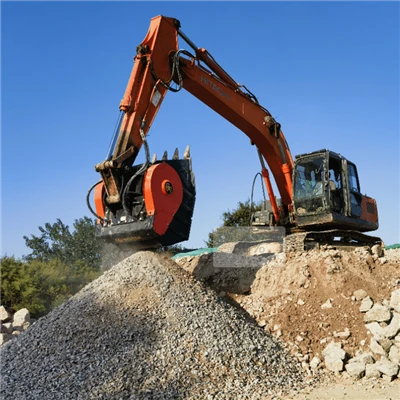
Soil biodiversity refers to the variety of life forms within the soil, including bacteria, fungi, nematodes, earthworms, and other invertebrates. These organisms play crucial roles in maintaining soil health, nutrient cycling, and overall ecosystem stability. As a soil improvements supplier, we are deeply involved in enhancing soil quality, and our products and techniques have significant effects on soil biodiversity.
Positive Effects of Soil Improvements on Soil Biodiversity
1. Enhanced Habitat and Food Availability
One of the primary ways soil improvements benefit soil biodiversity is by creating a more favorable habitat for soil organisms. When we improve soil structure, for example, by adding organic matter or using Excavator Soil Mixer to break up compacted soil, we increase the pore space in the soil. This allows for better air and water movement, which is essential for the survival of many soil organisms.
Organic matter, such as compost or manure, not only improves soil structure but also serves as a food source for soil microbes. Bacteria and fungi decompose the organic matter, releasing nutrients that are then available for plant uptake. In turn, the increased plant growth provides additional organic matter through root exudates and litterfall, creating a positive feedback loop that supports a diverse community of soil organisms.
2. Nutrient Cycling and Balance
Soil improvements can also enhance nutrient cycling, which is vital for soil biodiversity. By adding fertilizers or soil amendments, we can correct nutrient deficiencies and imbalances in the soil. For instance, adding lime to acidic soils can raise the pH, making nutrients such as phosphorus, calcium, and magnesium more available to plants and soil organisms.
Microorganisms play a key role in nutrient cycling. They convert organic matter into inorganic nutrients, such as nitrogen, phosphorus, and potassium, which are essential for plant growth. By improving soil conditions, we can stimulate the activity of these microorganisms, leading to more efficient nutrient cycling and a healthier soil ecosystem.
3. Reduced Soil Erosion and Contamination
Soil improvements can help prevent soil erosion, which is a major threat to soil biodiversity. Erosion can wash away topsoil, which contains the majority of soil organisms and organic matter. By implementing erosion control measures, such as planting cover crops or using soil stabilization techniques, we can protect the soil from being lost.
In addition, soil improvements can help remediate contaminated soils. Some soil amendments, such as activated carbon or biochar, can adsorb pollutants and reduce their bioavailability to soil organisms. By reducing the levels of contaminants in the soil, we can create a safer environment for soil biodiversity.
Negative Effects of Soil Improvements on Soil Biodiversity (if applicable)
While soil improvements generally have positive effects on soil biodiversity, there are some cases where they can have negative impacts. For example, the overuse of chemical fertilizers or pesticides can harm soil organisms. Chemical fertilizers can disrupt the natural balance of nutrients in the soil, leading to the dominance of certain species of microorganisms at the expense of others. Pesticides can directly kill soil organisms or affect their behavior and reproduction.
However, as a responsible soil improvements supplier, we are committed to using sustainable and environmentally friendly products and techniques. We encourage our customers to use fertilizers and pesticides in a judicious manner and to consider alternative methods of pest control, such as biological control or integrated pest management.


Case Studies and Examples
To illustrate the effects of soil improvements on soil biodiversity, let's look at some case studies.
Case Study 1: Agricultural Field
In an agricultural field, the application of organic matter and the use of Soil Mixing Tool to incorporate it into the soil led to a significant increase in soil biodiversity. The addition of compost improved the soil structure, increased the water-holding capacity, and provided a rich source of nutrients for soil organisms. As a result, the population of earthworms, which are important ecosystem engineers, increased by 50%. The increased earthworm activity further improved soil aeration and nutrient cycling, leading to higher crop yields.
Case Study 2: Construction Site
On a construction site, soil improvement for construction using Soil Improvement for Construction techniques helped to restore the soil biodiversity that had been disturbed during the construction process. The use of soil amendments and the establishment of vegetation cover helped to stabilize the soil, prevent erosion, and provide a habitat for soil organisms. Within a year of the soil improvement project, the number of soil invertebrates, such as beetles and ants, had increased significantly.
Implications for Sustainable Land Management
The effects of soil improvements on soil biodiversity have important implications for sustainable land management. By promoting soil biodiversity, we can enhance soil health, increase agricultural productivity, and protect the environment.
In agriculture, sustainable soil management practices, such as the use of organic fertilizers, cover crops, and crop rotation, can help maintain soil biodiversity and reduce the reliance on chemical inputs. In urban and industrial areas, soil improvement projects can help remediate contaminated soils and create green spaces that support a diverse range of soil organisms.
Conclusion and Call to Action
In conclusion, soil improvements have significant effects on soil biodiversity. By enhancing habitat, nutrient cycling, and reducing soil erosion and contamination, we can create a healthier and more diverse soil ecosystem. As a soil improvements supplier, we are dedicated to providing high-quality products and services that promote sustainable soil management.
If you are interested in learning more about our soil improvement products and techniques or would like to discuss a specific project, we invite you to contact us for a consultation. We look forward to working with you to improve soil quality and protect soil biodiversity.
References
- Bardgett, R. D., & van der Putten, W. H. (2014). Belowground biodiversity and ecosystem functioning. Nature, 515(7528), 505-511.
- Lal, R. (2004). Soil carbon sequestration impacts on global climate change and food security. Science, 304(5677), 1623-1627.
- Wall, D. H., & Virginia, R. A. (1999). Biodiversity, disturbance, and ecosystem function in arid ecosystems. BioScience, 49(7), 529-537.