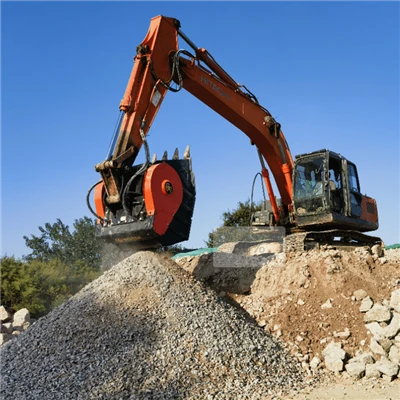
Hey there! As a jaw bucket supplier, I've seen my fair share of issues that customers run into with these handy tools. Jaw buckets are super useful in a bunch of industries, like construction, mining, and demolition. But just like any piece of equipment, they can have their problems. In this blog, I'm gonna talk about some of the common problems you might face with jaw buckets and how you can deal with them.
1. Wear and Tear
One of the most common issues with jaw buckets is wear and tear. These buckets are constantly working, breaking down all sorts of materials like rocks, concrete, and bricks. Over time, the constant friction and impact take a toll on the parts of the jaw bucket.
The jaw plates, which are responsible for crushing the materials, are particularly prone to wear. As they grind against the rocks and other stuff, the surface of the jaw plates gets worn down. This not only reduces the efficiency of the crushing process but can also lead to uneven crushing. You might end up with some pieces that are too big and others that are too small.
Another area that experiences wear is the bearings. The bearings help the moving parts of the jaw bucket operate smoothly. But with all the vibrations and heavy loads, the bearings can wear out. When this happens, the jaw bucket might start making strange noises, and its performance will definitely take a hit.
To deal with wear and tear, regular maintenance is key. You should inspect the jaw plates regularly and replace them when they're too worn. The same goes for the bearings. By keeping an eye on these parts and replacing them as needed, you can extend the lifespan of your jaw bucket.

2. Blockages
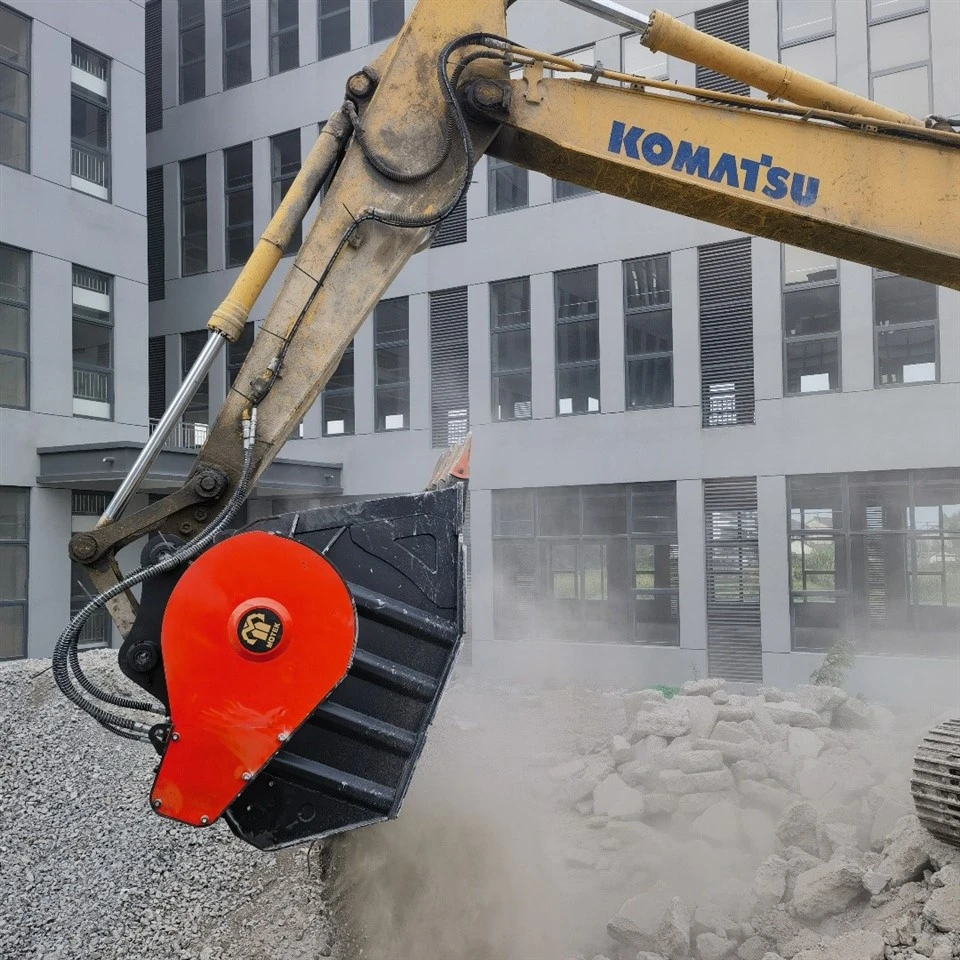
Blockages are another headache that many jaw bucket users face. Sometimes, large or irregularly shaped materials can get stuck in the crushing chamber of the jaw bucket. This can happen if the material is too big to pass through the jaws or if it gets wedged in a way that stops the normal operation of the bucket.
When a blockage occurs, the jaw bucket can't function properly. It might stop working altogether, or it could start to overheat as the motor tries to force the material through. In some cases, a blockage can even cause damage to the internal components of the jaw bucket.
To prevent blockages, it's important to be careful about what you feed into the jaw bucket. Make sure the materials you're crushing are within the recommended size range. You can also use a pre - screening process to remove any large or irregular pieces before they enter the jaw bucket. If a blockage does occur, don't try to force the material through. Instead, turn off the jaw bucket and use the appropriate tools to carefully remove the stuck material.
3. Hydraulic System Problems
Most modern jaw buckets are powered by hydraulic systems. These systems are responsible for providing the force needed to operate the jaws and perform the crushing action. However, hydraulic systems can be prone to a few problems.
One common issue is hydraulic fluid leaks. Over time, the seals in the hydraulic system can wear out or get damaged, causing the fluid to leak. A hydraulic fluid leak not only reduces the efficiency of the jaw bucket but can also be a safety hazard. The leaked fluid can create a slippery surface, and it can also contaminate the environment.
Another problem is hydraulic pump failure. The pump is responsible for pressurizing the hydraulic fluid. If the pump fails, the jaw bucket won't have the power it needs to crush the materials. This can be caused by a variety of factors, such as a clogged filter, a worn - out pump, or a problem with the electrical system that powers the pump.
To keep the hydraulic system in good shape, you should regularly check for leaks and top up the hydraulic fluid as needed. Replace the hydraulic filters at the recommended intervals to prevent clogs. And if you notice any problems with the hydraulic pump, it's best to have it inspected and repaired by a professional.
4. Overheating
Overheating is a serious problem that can affect the performance and lifespan of a jaw bucket. When the jaw bucket overheats, it can cause damage to the internal components, such as the motor, the hydraulic system, and the bearings.
There are several reasons why a jaw bucket might overheat. One reason is continuous operation without proper cooling. If you run the jaw bucket for long periods without giving it a break, the heat generated by the crushing process can build up. Another reason could be a problem with the cooling system. For example, if the radiator or the cooling fins are clogged with dirt and debris, they won't be able to dissipate the heat effectively.
To prevent overheating, make sure to follow the manufacturer's guidelines regarding operating times. Give the jaw bucket regular breaks to cool down. Also, keep the cooling system clean by regularly cleaning the radiator and the cooling fins.
5. Misalignment
Misalignment can occur when the moving parts of the jaw bucket are not properly aligned. This can happen due to improper installation, wear and tear, or damage to the frame of the jaw bucket.
When the parts are misaligned, the jaw bucket won't operate smoothly. The jaws might not close evenly, which can lead to uneven crushing and increased wear on the jaw plates. Misalignment can also put extra stress on the bearings and other components, increasing the risk of failure.
To fix misalignment, you need to have the jaw bucket inspected by a professional. They can use specialized tools to check the alignment of the parts and make the necessary adjustments.
Now, if you're in the market for a jaw bucket, we've got some great options. Check out our Small Jaw Crushers if you need a compact and efficient solution. For those who work with concrete, our Concrete Crusher Bucket for Excavator is a top - notch choice. And if you're dealing with rocks, our Excavator Rock Crusher Bucket is built to handle the toughest jobs.
If you're interested in learning more about our jaw buckets or have any questions about the common problems I've talked about, don't hesitate to reach out. We're here to help you find the right jaw bucket for your needs and keep it running smoothly.
References
- Manufacturer's manuals for jaw buckets
- Industry reports on construction equipment maintenance