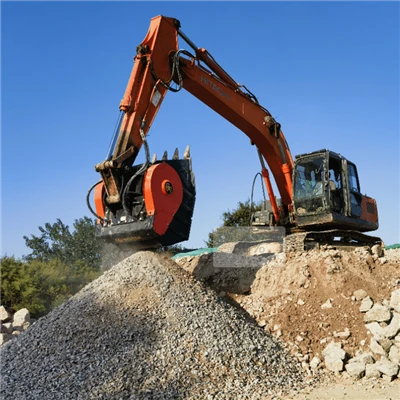
Hey there! As a supplier of big jaw crushers, I've seen my fair share of issues that customers run into. In this blog, I'm gonna walk you through some common problems with big jaw crushers and how to solve 'em.
1. Excessive Vibration
One of the most common problems with big jaw crushers is excessive vibration. This can be a real headache, as it not only affects the crusher's performance but can also lead to premature wear and tear on the machine.
Causes
- Uneven Feeding: If the material is fed unevenly into the crusher, it can cause an imbalance, leading to vibration. For example, if you're constantly dumping a large amount of material on one side of the jaw, the crusher will be off - balance.
- Loose Components: Over time, bolts and other components can become loose. This is especially true in a high - vibration environment like a jaw crusher. Loose flywheels, belts, or even the crusher's frame can contribute to excessive vibration.
- Worn Parts: Worn jaw plates or bearings can also cause vibration. As these parts wear down, they don't function as smoothly as they should, leading to an uneven operation.
Solutions
- Even Feeding: Make sure you're feeding the material evenly into the crusher. You can use a feeder or conveyor system to ensure a consistent flow of material.
- Tighten Components: Regularly check and tighten all bolts and components. A simple inspection every few days can prevent a lot of problems down the road.
- Replace Worn Parts: Keep an eye on the condition of your jaw plates and bearings. When they start to show signs of wear, replace them promptly. You can check out our Small Jaw Crushers for some reliable replacement parts.
2. Low Production Capacity
If your big jaw crusher isn't producing as much material as it should, there are a few things that could be going wrong.
Causes
- Incorrect Setting: The gap between the fixed jaw and the moving jaw, known as the discharge opening, is crucial. If it's set too wide, the material won't be crushed properly, and if it's set too narrow, the throughput will be low.
- Blockage: Material can sometimes get stuck in the crusher, blocking the flow and reducing production. This can happen if the material is too large or if there's a foreign object in the feed.
- Worn Jaw Plates: As jaw plates wear, their crushing efficiency decreases. This means that more passes are needed to crush the material, reducing the overall production capacity.
Solutions
- Adjust the Setting: Refer to the crusher's manual to set the discharge opening correctly. You may need to experiment a bit to find the optimal setting for your specific material.
- Clear Blockages: Regularly inspect the crusher for blockages. If you find one, stop the machine and remove the blockage carefully. Make sure to use the right tools and follow safety procedures.
- Replace Jaw Plates: Replace worn jaw plates as soon as possible. This will restore the crusher's crushing efficiency and increase production.
3. Overheating
Overheating is another common problem that can cause serious damage to your big jaw crusher if not addressed promptly.
Causes
- Lack of Lubrication: Bearings and other moving parts need proper lubrication to reduce friction and heat. If the lubricant level is low or the lubricant is dirty, it can cause overheating.
- Excessive Load: If the crusher is overloaded with too much material, it has to work harder, generating more heat.
- Poor Ventilation: Inadequate ventilation can prevent heat from escaping, causing the temperature inside the crusher to rise.
Solutions
- Check and Replace Lubricant: Regularly check the lubricant level and quality. Replace the lubricant according to the manufacturer's recommendations.
- Avoid Overloading: Make sure you're not feeding too much material into the crusher at once. Follow the recommended feed rate for your crusher model.
- Improve Ventilation: Ensure that the crusher has proper ventilation. You can clean the ventilation openings and make sure there's enough space around the machine for air to circulate.
4. Noise Issues
A big jaw crusher can be noisy, but if the noise level suddenly increases or there are strange noises, it could indicate a problem.
Causes
- Loose Parts: Just like with vibration, loose parts can cause noise. As the parts rattle around, they create a lot of unwanted sound.
- Worn Bearings: Worn bearings can produce a grinding or squealing noise. This is a sign that the bearings need to be replaced.
- Impact from Hard Materials: If the crusher is handling very hard materials, the impact can cause loud noises. This can also lead to more wear and tear on the machine.
Solutions
- Tighten Loose Parts: Check for and tighten any loose bolts or components. This can often solve the noise problem.
- Replace Worn Bearings: If you suspect that the bearings are worn, replace them immediately. This will not only reduce noise but also prevent further damage to the crusher.
- Adjust the Feed: If the noise is due to hard materials, you may need to adjust the feed. You can try pre - crushing the material or using a different type of crusher for very hard materials. You might be interested in our Crusher Bucket Attachment which can be a great option for handling different types of materials.
5. Belt Slippage
The belts in a big jaw crusher are responsible for transmitting power from the motor to the crusher. Belt slippage can cause a loss of power and reduce the crusher's efficiency.
Causes
- Loose Belts: If the belts are not properly tensioned, they can slip. This can happen over time as the belts stretch or if they were not installed correctly in the first place.
- Dirty Belts or Pulleys: Dirt, dust, or grease on the belts or pulleys can reduce friction, causing the belts to slip.
- Worn Belts: As belts wear, their grip on the pulleys decreases, leading to slippage.
Solutions
- Adjust Belt Tension: Use the appropriate tools to adjust the belt tension. Make sure the belts are tight enough to prevent slippage but not so tight that they cause excessive wear on the pulleys.
- Clean Belts and Pulleys: Regularly clean the belts and pulleys to remove any dirt or grease. You can use a mild detergent and a soft cloth.
- Replace Worn Belts: When the belts start to show signs of wear, such as cracks or fraying, replace them immediately.
Conclusion
Well, there you have it - some of the most common problems with big jaw crushers and how to solve them. By keeping an eye on these issues and taking proactive steps to address them, you can ensure that your crusher runs smoothly and efficiently.
If you're facing any of these problems or are in the market for a new big jaw crusher, don't hesitate to reach out. We're here to help you find the right solution for your needs. Whether you're interested in our Bucket Crusher Concrete or other crusher products, we've got you covered.
Contact us today to start a conversation about your crushing requirements. Let's work together to get the best performance out of your equipment.


References
- Manufacturer's manuals for big jaw crushers
- Industry best practices for crusher maintenance and troubleshooting