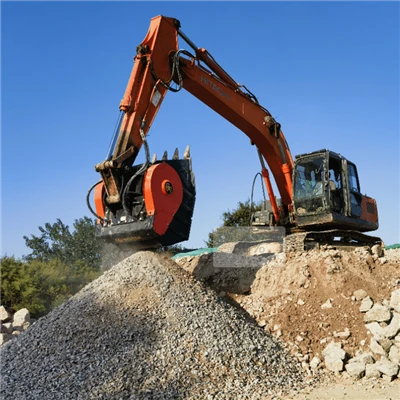
As a leading supplier of Bucket Jaw Crushers, I understand the importance of proper maintenance and replacement of key components to ensure the efficient and long - lasting operation of your equipment. One of the most critical parts that require periodic replacement is the jaw plates. In this blog, I'll guide you through the process of replacing the jaw plates in a Bucket Jaw Crusher.
Understanding the Role of Jaw Plates
Jaw plates are the primary crushing elements in a Bucket Jaw Crusher. They are responsible for breaking down large rocks and other materials into smaller, more manageable pieces. Over time, due to the high - pressure and abrasive nature of the crushing process, the jaw plates wear out. When this happens, the crusher's performance can be significantly affected, leading to reduced efficiency and increased energy consumption. Therefore, timely replacement of the jaw plates is essential to maintain the crusher's optimal performance.
Pre - replacement Preparations
Before you start replacing the jaw plates, it's crucial to take some preparatory steps to ensure your safety and the smooth progress of the replacement process.


- Safety First: Always wear appropriate personal protective equipment (PPE), including safety glasses, gloves, and steel - toed boots. Make sure the crusher is turned off and disconnected from any power sources to prevent accidental startup.
- Gather Tools: You'll need a set of tools for the replacement, such as wrenches, hammers, and lifting equipment if necessary. Check that all tools are in good condition and suitable for the task.
- Inspect the New Jaw Plates: Before installation, carefully inspect the new jaw plates for any signs of damage or defects. Ensure that they are the correct size and type for your specific Bucket Jaw Crusher model.
Step - by - Step Replacement Process
Step 1: Remove the Old Jaw Plates
- Access the Jaw Plates: Open the crusher housing to access the jaw plates. This may involve removing some covers or panels, depending on the design of your crusher.
- Loosen the Fasteners: Use the appropriate wrenches to loosen the bolts or nuts that hold the jaw plates in place. Keep track of the fasteners and their locations to ensure proper reinstallation later.
- Remove the Old Plates: Once the fasteners are removed, carefully lift the old jaw plates out of the crusher. Be cautious as the plates can be heavy and awkward to handle.
Step 2: Clean the Crusher
After removing the old jaw plates, thoroughly clean the crusher cavity. Remove any debris, dust, or rock fragments that may have accumulated during the crushing process. A clean surface will ensure a proper fit for the new jaw plates.
Step 3: Install the New Jaw Plates
- Position the New Plates: Carefully place the new jaw plates into the crusher cavity, aligning them with the mounting holes. Make sure they are properly seated and centered.
- Tighten the Fasteners: Use the wrenches to tighten the bolts or nuts that hold the jaw plates in place. Follow the manufacturer's recommended torque specifications to ensure a secure fit. Over - tightening can cause damage to the plates or the crusher, while under - tightening can lead to plate movement during operation.
Step 4: Test the Crusher
Once the new jaw plates are installed, close the crusher housing and reconnect the power source. Start the crusher and run it for a short period to test its operation. Listen for any unusual noises or vibrations, which may indicate improper installation or other issues.
Tips for a Successful Replacement
- Follow the Manufacturer's Instructions: Always refer to the manufacturer's manual for specific instructions regarding the replacement of jaw plates. Different models of Bucket Jaw Crushers may have unique requirements.
- Keep Spare Parts on Hand: It's a good idea to keep a set of spare jaw plates in stock. This will minimize downtime in case of unexpected wear or damage.
- Regular Maintenance: In addition to replacing the jaw plates, perform regular maintenance on your Bucket Jaw Crusher, such as lubrication, inspection of other components, and adjustment of the crusher settings.
The Importance of Quality Jaw Plates
Using high - quality jaw plates is crucial for the performance and longevity of your Bucket Jaw Crusher. At our company, we offer a wide range of Jaw Crusher Excavator Attachment and Skid Steer Rock Crusher with top - notch jaw plates. Our Large Jaw Crusher is also equipped with durable and efficient jaw plates that are designed to withstand the rigors of heavy - duty crushing operations.
Conclusion
Replacing the jaw plates in a Bucket Jaw Crusher is a task that requires careful attention to detail and adherence to safety procedures. By following the steps outlined in this blog, you can ensure a successful replacement and keep your crusher operating at its best. If you have any questions or need further assistance with jaw plate replacement or any other aspects of your Bucket Jaw Crusher, don't hesitate to contact us. We are here to help you with all your crushing equipment needs and look forward to discussing your procurement requirements. Whether you are in the market for a new crusher or need replacement parts, our team of experts is ready to assist you.
References
- Manufacturer's manuals for Bucket Jaw Crushers
- Industry standards and best practices for crusher maintenance