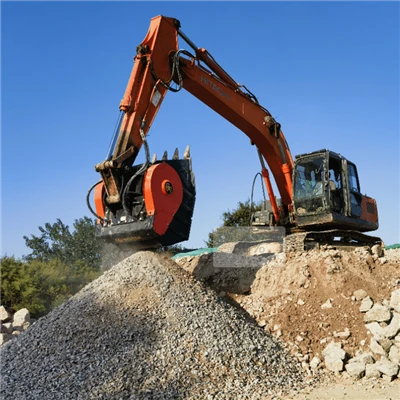
Hey there! As a supplier of Jaw Rock Crushers, I've seen firsthand how the wear and tear on jaw plates can be a real pain in the neck for operators. It not only affects the efficiency of the crusher but also adds to the operational costs. So, in this blog, I'm gonna share some tips on how to reduce the wear of the jaw plates in a Jaw Rock Crusher.
1. Choose the Right Jaw Plates
First things first, picking the right jaw plates for your crusher is crucial. Different materials have different hardness and abrasiveness, so you need to select jaw plates that are suitable for the type of rock you're crushing. For example, if you're dealing with hard and abrasive rocks like granite or basalt, you'll want to go for jaw plates made of high - manganese steel. These plates are known for their excellent wear resistance and can withstand the intense pressure and friction during the crushing process.
On the other hand, if you're crushing softer rocks such as limestone or sandstone, you might be able to get away with using lower - cost jaw plates. But remember, even with softer rocks, it's still important to choose a quality product. You can check out our Excavator Jaw Crusher Bucket which comes with well - designed jaw plates suitable for various rock types.
2. Proper Installation
Installing the jaw plates correctly is a no - brainer, but you'd be surprised how many people mess it up. Incorrect installation can lead to uneven wear, which will significantly shorten the lifespan of the jaw plates. When installing the jaw plates, make sure they are tightly secured to the crusher frame. Any loose fitting can cause the plates to move during operation, resulting in excessive wear.
Also, pay attention to the alignment of the jaw plates. They should be parallel to each other to ensure a uniform crushing force. If the plates are misaligned, one side will bear more pressure than the other, leading to premature wear on that side. If you're not sure how to install the jaw plates properly, our technical support team is always ready to help. And if you're interested in a Jaw Crusher Excavator Attachment, we can provide detailed installation guides.
3. Control the Feed Size
The size of the rocks you feed into the crusher matters a lot. If you feed rocks that are too large, the crusher will have to work harder, putting more stress on the jaw plates. This can cause the plates to wear out faster. On the other hand, if the feed size is too small, it may not be effectively crushed, and the constant movement of small particles can also cause abrasion on the jaw plates.
So, it's important to control the feed size within the recommended range for your crusher. You can use a vibrating feeder or a screening device to ensure that the rocks going into the crusher are of the appropriate size. This will not only reduce the wear on the jaw plates but also improve the overall efficiency of the crushing process. Our Excavator Jaw Crusher is designed to handle a specific feed size range, and we can provide you with detailed specifications.
4. Adjust the Discharge Opening
The discharge opening of the crusher also plays a role in the wear of the jaw plates. If the discharge opening is set too small, the crusher will have to work harder to push the crushed material out, which can increase the pressure on the jaw plates. Conversely, if the discharge opening is too large, the crushing process may not be as effective, and the jaw plates may experience more impact from the un - crushed rocks.
You should adjust the discharge opening according to the desired particle size of the crushed material and the characteristics of the rocks you're crushing. Regularly check and adjust the discharge opening to ensure optimal performance and reduced wear on the jaw plates.
5. Regular Maintenance
Regular maintenance is key to reducing the wear of the jaw plates. You should inspect the jaw plates regularly for signs of wear, such as cracks, chips, or uneven surfaces. If you notice any problems, address them immediately. For example, if there are small chips on the jaw plates, you can use a welding rod to repair them before the damage gets worse.
Clean the jaw plates regularly to remove any debris or dust that may have accumulated on them. This will prevent the build - up of abrasive materials, which can accelerate the wear process. Also, lubricate the moving parts of the crusher, such as the bearings and the toggle plates, to ensure smooth operation. This will reduce the friction and stress on the jaw plates.
6. Operate the Crusher Correctly
How you operate the crusher can also affect the wear of the jaw plates. Avoid overloading the crusher by feeding too much material at once. This can cause the crusher to jam and put excessive stress on the jaw plates. Instead, feed the material at a steady and consistent rate.
Don't start the crusher with a full hopper. This can cause a sudden shock to the jaw plates and other components of the crusher. Start the crusher when the hopper is empty and then gradually start feeding the material.


7. Monitor the Crushing Process
Keep an eye on the crushing process. If you notice any abnormal noises or vibrations coming from the crusher, it could be a sign of a problem with the jaw plates or other parts of the machine. Stop the crusher immediately and check for the cause of the problem.
You can also use monitoring devices, such as sensors, to keep track of the performance of the crusher. These devices can provide you with real - time data on parameters like pressure, temperature, and vibration, which can help you detect potential issues early and take preventive measures.
Conclusion
Reducing the wear of the jaw plates in a Jaw Rock Crusher requires a combination of proper selection, installation, operation, and maintenance. By following the tips I've shared in this blog, you can significantly extend the lifespan of the jaw plates, reduce operational costs, and improve the efficiency of your crushing operation.
If you're in the market for a high - quality Jaw Rock Crusher or need replacement jaw plates, we're here to help. Our products are designed with the latest technology and high - quality materials to ensure long - lasting performance. Contact us today to start a discussion about your specific needs and let's work together to find the best solution for your crushing requirements.
References
- "Crushing Equipment Handbook" - A comprehensive guide on crusher operation and maintenance.
- Industry research papers on wear mechanisms in jaw crushers.